African mediation in eastern DRC sets strategic roadmap for peace efforts
- Security
African mediation team outlines bold new strategy to break deadlock in eastern DRC
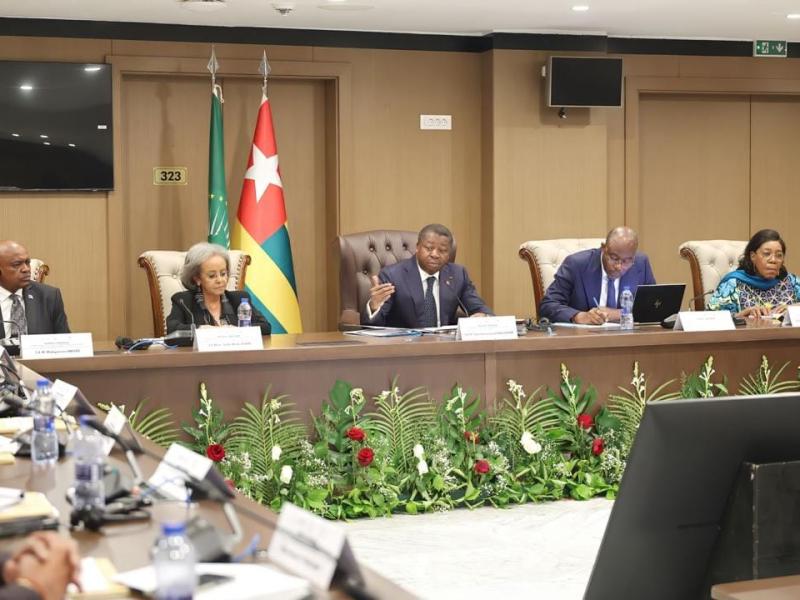
In a landmark two-day summit concluding in Lomé, the African mediation team led by Togolese Prime Minister Faure Essozimna Gnassingbé has unveiled a comprehensive strategic framework to revitalize peace efforts in eastern Democratic Republic of Congo (DRC). The high-stakes meeting, attended by regional and international stakeholders, marks a critical juncture in the stalled diplomatic process amid ongoing hostilities between government forces and the M23 rebel coalition.
Strategic pivots for H2 2026
The gathering, which convened on June 7-8, 2026, brought together the African Union’s facilitation panel, UN representatives, and envoys from East African Community, CEEAC, SADC, and the International Conference on the Great Lakes Region. The primary objective was to assess progress since the January 17 Lomé framework agreement and chart a decisive course for the second half of 2026, complementing parallel tracks in Washington and Doha.
Key resolutions adopted:
- Enhanced internal coordination: The establishment of a robust liaison mechanism between the mediation office, facilitation panel, AU Commission, and independent secretariat to eliminate duplication and strengthen accountability.
- Unified African contribution: A commitment to develop a cohesive African position for the complementary Washington and Doha processes, ensuring greater ownership and implementation feasibility.
- Solidarity framework: All participating states and organizations pledged to deepen cooperation while respecting their distinct mandates within the Lomé architecture.
Immediate action plan:
The summit approved critical operational measures including:
- Revised work plans for facilitation panel members for H2 2026
- A 15-day deadline to finalize an operational action plan detailing implementation timelines
- Enhanced technical support for local peacebuilding initiatives
Unwavering commitment to regional stability: The Togolese presidency emphasized in a concluding statement that participants “remain steadfast in their collective determination to implement decisions with urgency, honor all commitments, and forge a united path toward lasting peace in eastern DRC and the Great Lakes region.”
The Lomé summit follows the historic January high-level conference that established the AU’s mediation architecture for DRC’s eastern conflict. This framework, championed by Gnassingbé as AU mediator, features five former African presidents overseeing specialized portfolios: security (Olusegun Obasanjo), humanitarian issues (Sahle-Work Zewde), dialogue with armed groups (Uhuru Kenyatta), economic cooperation (Mokgweetsi Masisi), and civil society/gender matters (Catherine Samba-Panza).
The architecture also includes an independent joint secretariat integrating Togo, AU, EAC, SADC, and ICGLR, with the AU Commission coordinating international partners including the UN, Qatar, EU, and P5 Security Council members.
Related Posts