The African continent hosts a significant share of the world’s critical mineral reserves, essential for the energy transition and digital revolution. The July 2026 conference, titled ‘Africa at Crossroads: Navigating Global Geopolitical Competition in the Era of Critical Minerals,’ shed light on the scale of the challenge. Public officials, mining sector analysts, and civil society representatives confronted their interpretations of a strategic shift redrawing Africa’s economic and security balances.
A Shift in Economic Politics
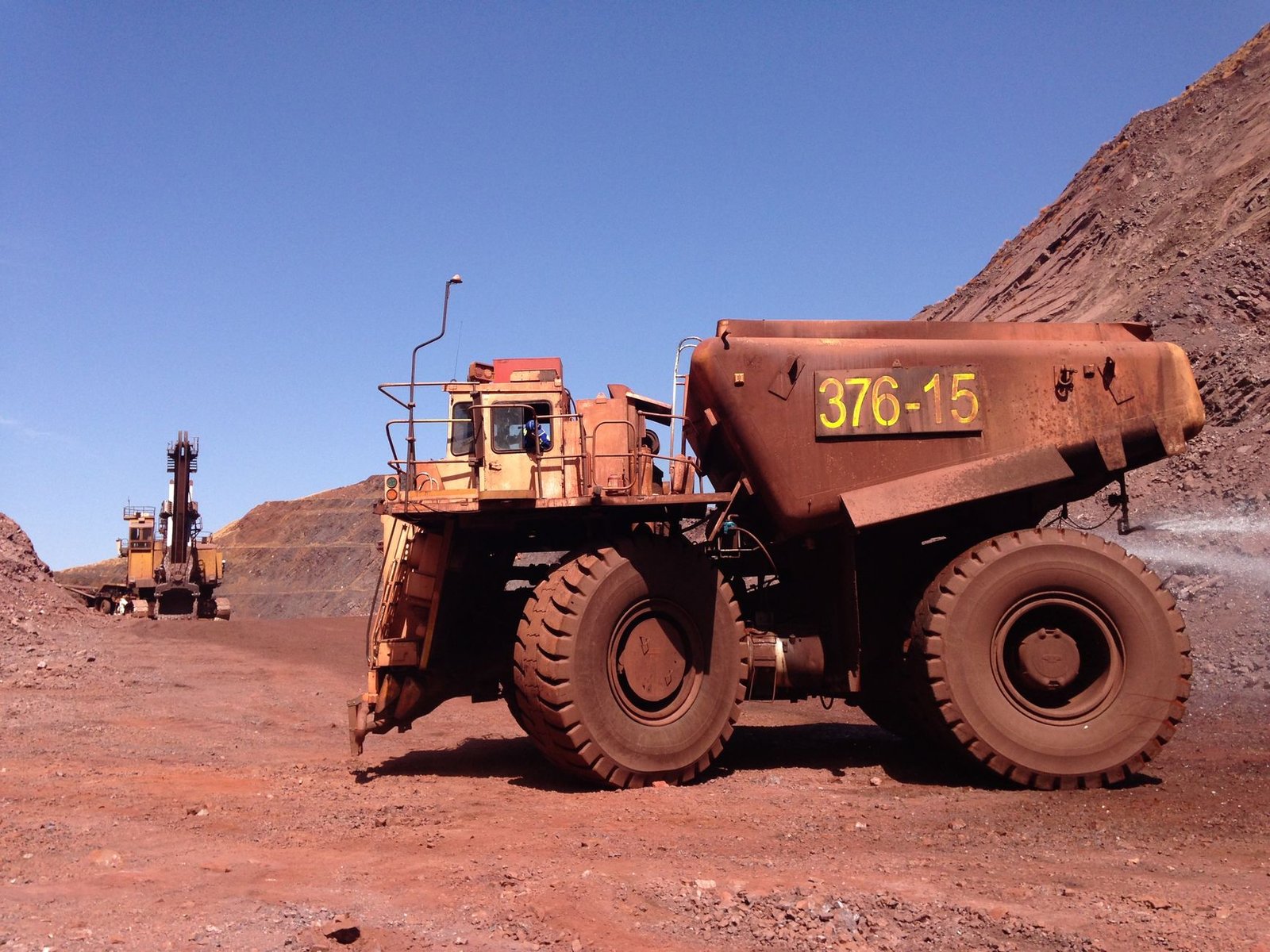
The global demand for cobalt, lithium, nickel, graphite, and rare earth minerals is booming under the pressure of electric vehicle electrification and digital infrastructure deployment. Africa, home to approximately 30% of identified strategic mineral reserves, finds itself at the center of a multi-lateral game. Washington, Beijing, Brussels, Abu Dhabi, Riyadh, and Ankara are engaging in bilateral partnerships, investment, and mining corridor development.
Participants highlighted that this competition fundamentally alters the continent’s economic politics. Producing nations now enjoy unprecedented negotiation power but remain exposed to volatile market fluctuations and rent-seeking temptations. The Democratic Republic of Congo for cobalt, Guinea for bauxite, Zimbabwe for lithium, and Mozambique for graphite illustrate contrasting trajectories where mining can fuel industrialization as much as instability.
Governance and Security Architecture Under Pressure
Governance was a central theme in the discussions. Participants emphasized that value-added remains largely outside Africa, with refining, chemical treatment, and battery manufacturing chains concentrated in Asia, leaving producing countries limited to extractive industries. However, recent initiatives aim to reverse this logic. The DRC-Zambia battery-electric vehicle value chain agreement is an example of such an initiative.
Extracting critical minerals often takes place in areas marked by latent or overt conflicts. Eastern DRC, the Sahel, and certain regions of the Gulf of Guinea are rich in mineral wealth but fragile in terms of institutional stability. This combination sustains a ‘war economy’ where armed groups exploit opaque export circuits. Speakers called for strengthened tracking mechanisms, such as those implemented by the Extractive Industries Transparency Initiative (EITI), and more coordinated pan-African cooperation.
A Second Independence through Local Transformation
The concept of ‘second independence’ re-emerged in mining circles with insistence. It reflects Africa’s ambition to move beyond a colonial-era export model, where the continent exports raw materials for imported manufactured goods. In practice, this means significant investments in energy infrastructure, engineering training, creation of specialized industrial zones, and a revamped mineral tax regime.
Several countries are advancing their moves. Guinea has demanded the construction of an alumina refinery on its soil within the Simandou mega-project framework. Zimbabwe banned lithium export since 2022. Namibia and Botswana explore regulatory frameworks that require a minimum level of local transformation. These choices, which sometimes elicit investor skepticism, mark a break with the liberal mining doctrine of the 1990s.
Discussions also touched upon the role of African financial institutions in structuring financing instruments for transformation projects. The African Development Bank (AfDB) and Afreximbank are developing tailored tools, while Gulf sovereign funds increasingly show interest in African minerals assets. The battle for mineral sovereignty will be fought as much in mines as on stock markets. According to Financial Africa, this conference confirmed that mastery of critical minerals has become a primary marker of African power in the 21st century.
For Deeper Insights
Belinga : Immongault and Fortescue focus on local employment in Gabon · Mbalam-Nabeba : Cameroon ordered to pay $600M to Sundance · Mbalam : Burford could touch $1 billion of Cameroonian FCFA