Benin defies global headwinds with robust 8.1% gdp growth in 2025
Amidst a turbulent international landscape marked by geopolitical tensions and volatile markets, Benin continues to showcase an impressive growth trajectory. The African Development Bank’s 2026 country report confirms the West African nation achieved an 8.1% economic expansion in 2025, with projections maintaining growth above 7% through 2027. This remarkable performance is underpinned by the rapid expansion of the Glo-Djigbé Industrial Zone (GDIZ), strategic infrastructure upgrades in Cotonou’s port, and strict fiscal discipline—though significant social and security challenges remain unaddressed.
Macroeconomic resilience in a volatile world
While global economies struggle to stabilize amid supply chain disruptions and financial uncertainties, Benin has emerged as a standout performer. Following a 7.5% GDP growth in 2024, the country accelerated to 8.1% in 2025, positioning itself among Africa’s top-performing economies. This exceptional growth is no coincidence; the African Development Bank’s 2026 report attributes it to strengthened macroeconomic fundamentals and sustained structural reforms. A strategy focused on diversification and local value addition has proven instrumental in buffering external shocks.
A growth story powered by multiple sectors
The Beninese economy’s strength lies in its broad-based sectoral expansion, with every key industry contributing to wealth creation in 2025.
Industry and infrastructure drive unprecedented gains
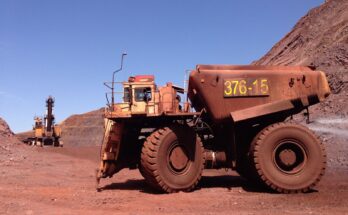
The secondary sector surged by 9.8%, propelled by major sanitation projects, road networks, and port modernization initiatives. The Glo-Djigbé Industrial Zone (GDIZ) has become a linchpin for manufacturing, while extractive industries flourished thanks to intensified quarry operations supplying cement plants and new tile production lines.
Services and digital innovation fuel growth
The tertiary sector expanded by 8.5%, driven by the rapid expansion of digital services, robust international trade, and the Port of Cotonou’s strategic logistics role, which continues to bolster regional commerce.
Agriculture and livestock show steady progress
The primary sector grew by 5.7%, with livestock production—boosted by favorable weather and targeted productivity investments—recording an 8.8% increase. On the demand side, investment emerged as the primary growth engine, rising by 10.7% in 2025, while household consumption increased by 7.3%.
Fiscal prudence and monetary stability anchor progress
In an era of rising inflationary pressures worldwide, Benin has successfully safeguarded household purchasing power.
Inflation remains remarkably subdued at 1.1%
The Central Bank of West African States (BCEAO) has kept inflation at a mere 1.1% in 2025—well below the UEMOA’s 3% threshold. This success stems from stable fuel supply chains from neighboring Nigeria and abundant local harvests, which stabilized food prices.
Budget consolidation and a resilient financial sector
The banking sector demonstrated robustness with an 8.8% rise in credit to the economy and a 9.2% increase in banking assets, maintaining solvency ratios well above regulatory requirements. On the fiscal front, the government maintained its austerity measures, with tax revenues rising from 13.3% to 13.9% of GDP while keeping public spending at 18.7% of GDP. This discipline reduced the budget deficit to 2.8% of GDP from 3% the previous year. While Benin’s debt risk remains moderate, the African Development Bank cautions against increasing reliance on commercial international financing, which is gradually raising debt servicing costs.
Export-led transformation reshapes economic landscape
Benin is transitioning from a transit economy to one focused on exporting processed goods. The GDIZ has enabled cotton, soybeans, and cashews to be transformed locally into textiles and food products. Exports now account for 23% of GDP, up from 21.8% the prior year, helping to narrow the current account deficit to 5.8% of GDP. Within the UEMOA region, foreign exchange reserves now cover 7.6 months of imports, providing a reassuring buffer for future trade.
The African Development Bank projects stable growth of 7% in 2026 and 7.1% in 2027, driven by political stability, expanded Cotonou infrastructure, and new extraction projects such as the Sèmè oil field and the Perma gold mine.
The demographic dividend challenge: turning potential into prosperity
Despite strong macroeconomic indicators and a 5.6% rise in real GDP per capita in 2025, the benefits for ordinary citizens remain limited. While the GDIZ has created 25,000 direct jobs, over 90% of Benin’s workforce remains in the informal sector—a structural issue that constrains productivity gains and slows poverty reduction.
To bridge this gap, the African Development Bank recommends intensifying investments in vocational training to align education with the needs of emerging industries. Strengthening human capital and fostering formal job creation will be critical to harnessing the country’s demographic dividend.
Navigating risks on the path to sustainable growth
Despite its promising outlook, Benin faces several risks that could derail its growth trajectory. Externally, escalating tensions in the Middle East and prolonged oil price hikes pose real threats. Regionally, northern security concerns and heavy economic reliance on Nigeria’s trade policies remain watchpoints, alongside climate variability that threatens agricultural output.
To consolidate its progress, the African Development Bank advises Benin to maintain fiscal discipline while accelerating strategic energy projects. The development of initiatives like the Dogo-Bis hydroelectric dam is essential to ensure energy self-sufficiency, reduce production costs for GDIZ factories, and enhance the country’s overall competitiveness.
Benin’s economic model: a blueprint for resilience
Benin has established itself as a model of macroeconomic resilience in West Africa. By prioritizing local industrialization, fiscal rigor, and port infrastructure development, the country is poised for growth exceeding 7% through 2027. Yet the ultimate measure of success will be its ability to transition workers from informal to formal employment, secure its borders, and translate economic gains into tangible opportunities for its youth.