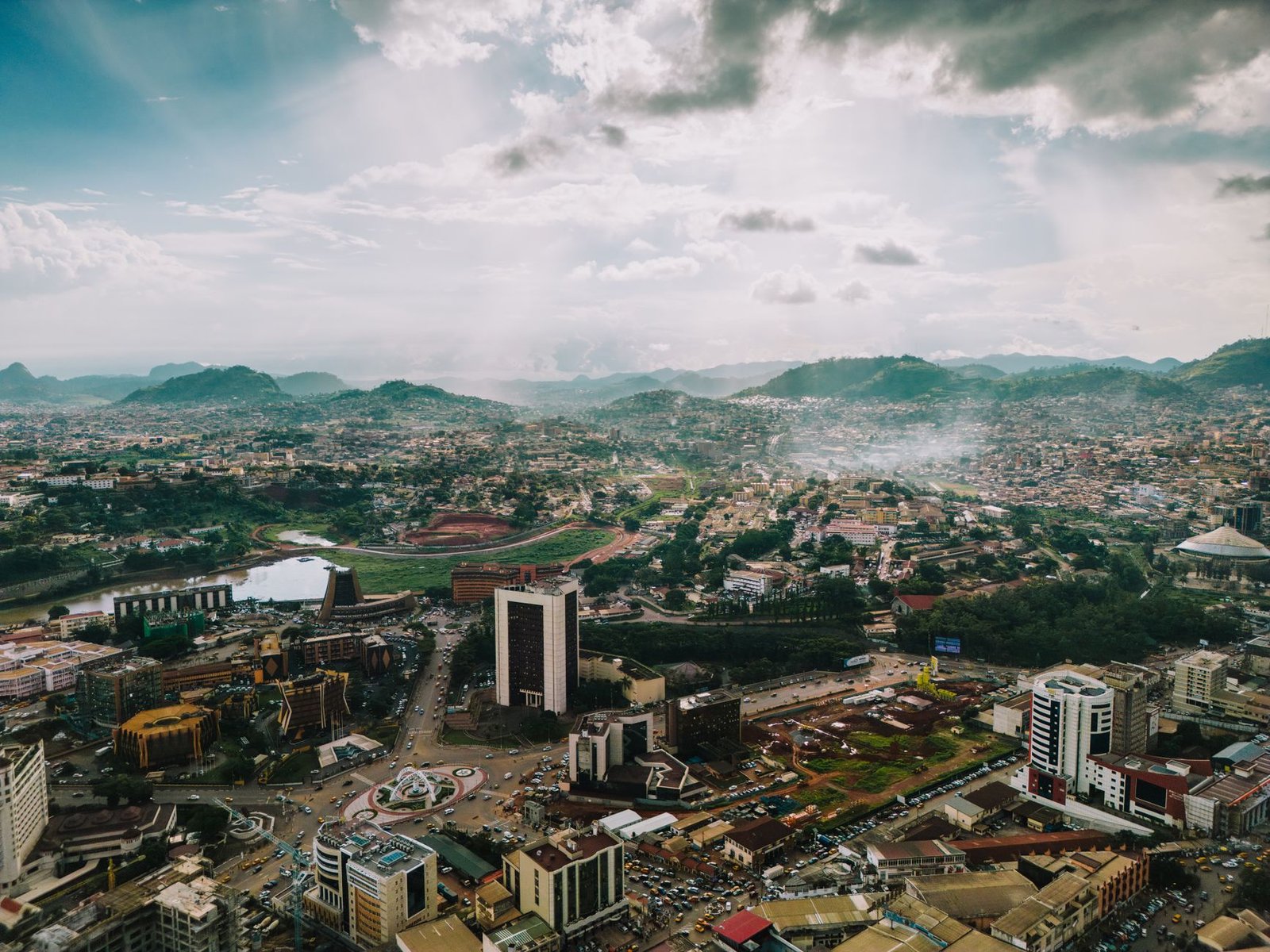
The Cameroonian Public Treasury successfully mobilised 800.7 billion FCFA on the domestic market during the first half of 2026, translating to roughly $1.4 billion. This figure, released by the Caisse autonome d’amortissement (CAA) in its monthly public debt report, marks a substantial achievement for Central Africa’s economic bloc, CEMAC. However, it also signals a deliberate shift in the country’s domestic financing strategy.
Domestic market issuance slows down
When compared to the 1,525.9 billion FCFA raised throughout 2025, the half-year total represents a noticeable deceleration in domestic borrowing. If this pace continues, the State could conclude 2026 with around 1,600 billion FCFA in domestic financing—close to last year’s level but below earlier growth expectations. The reduction in public debt issuance, including Treasury bills (BTA) and bonds (OTA), may reflect a deliberate adjustment in volume or reflect a more selective investor appetite from regional banks and institutions.
Several underlying factors could explain this slowdown. Liquidity in the CEMAC banking sector remains heavily tied to oil revenues and foreign exchange reserves managed by the Banque des États de l’Afrique centrale (BEAC). Fluctuations in hydrocarbon earnings continue to influence overall liquidity conditions. Additionally, rising sovereign bond issuances from neighbouring countries such as Gabon, Chad, and the Republic of the Congo are placing greater pressure on primary banks—long the main subscribers to regional public debt instruments.
Constrained financing strategy amid regional pressures
The decline in funds raised also reflects the government’s efforts to manage the cost of domestic debt servicing. Recent issuance rates in CEMAC have trended upward, driven by the BEAC’s tight monetary policy and increased risk premiums demanded by lenders. For the Treasury, balancing the volume of funds raised with sustainable borrowing costs has become increasingly complex, especially as the average maturity of issued debt affects future refinancing needs.
The CAA regularly evaluates financing needs against budget execution, debt maturities, and actual resource mobilisation. As the largest economy in CEMAC, Cameroon plays a pivotal role as a benchmark issuer on the regional public debt market. This position comes with responsibility: a controlled slowdown may be seen as prudent fiscal management, whereas an unexpected contraction could raise concerns over fiscal sustainability.
What to expect in the second half of 2026
The next round of public debt auctions will be critical in assessing the trajectory of domestic borrowing. Upcoming operations must align with upcoming repayment deadlines and the financing needs of public investment programs, particularly in infrastructure and energy. The Ministry of Finance, led by Louis Paul Motaze, has historically balanced domestic market borrowing with external financing, including support from multilateral partners like the International Monetary Fund (IMF) and the World Bank.
The depth and resilience of the regional capital market remain key challenges. The Bourse des valeurs mobilières de l’Afrique centrale (BVMAC) continues to face limitations in attracting investor flows comparable to stronger West African markets such as the BRVM. For Cameroon’s Treasury, diversifying its investor base—by reaching out to pan-African funds or non-bank institutional investors—will be essential to sustaining future issuances. The coming six months will serve as a real-world test of Yaoundé’s domestic financing strategy.