Côte d’Ivoire’s high-speed rail ambition: connecting Abidjan and Yamoussoukro
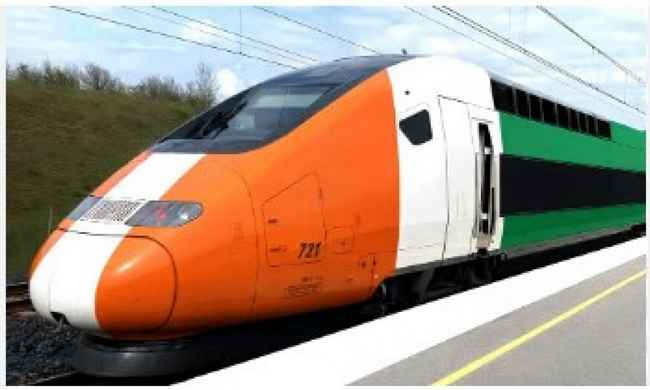
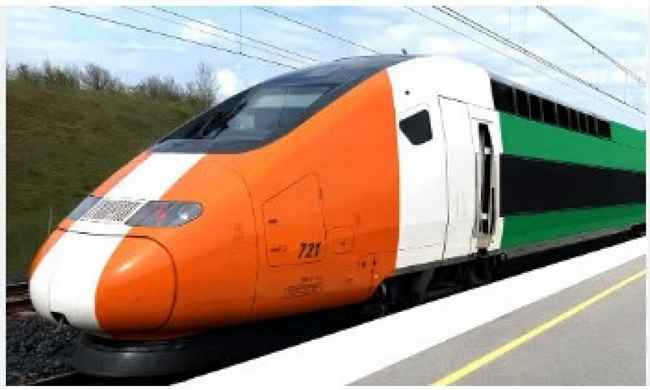
Following Morocco’s pioneering launch in late 2018, Côte d’Ivoire is actively positioning itself to become the second African nation to embrace high-speed rail technology. The government in this dynamic West African country is pursuing an ambitious project to establish a high-speed line. This integral Côte d’Ivoire high-speed rail initiative aims to connect Abidjan, the nation’s economic powerhouse, with Yamoussoukro, the political capital established by former President Félix Houphouët-Boigny in his birthplace. The proposed 640-kilometer route is designed to dramatically cut travel time between these two pivotal cities to just 45 minutes, a significant improvement over the current three-hour journey by road. Future expansions for this high-speed train (TGV) network are also planned to extend northward, reaching major cities such as Bouaké, the country’s second-largest, as well as Korhogo and Ferkessédougou.
Feasibility studies and financing arrangements for this groundbreaking project are currently underway. Beyond enhancing connectivity, the high-speed line is expected to boost Yamoussoukro’s appeal and help alleviate congestion in Abidjan, where housing costs are notably high. Locally, the prospect of a TGV system is also viewed as a strong asset should Côte d’Ivoire decide to bid for the 2038 FIFA World Cup. However, the nation’s chances of hosting the prestigious sporting event are considered modest, given that Morocco is already set to host the tournament for Africa in 2030.
Boosting economic development through advanced transport networks
This high-speed rail initiative is a cornerstone of the Ivorian government’s extensive €175 billion economic growth plan, which heavily emphasizes transportation infrastructure. Under the leadership of Prime Minister Robert Beugré Mambé, the project has been integrated into the National Development Program for 2026-2030. Other significant infrastructure endeavors include the planned Abidjan metro system, slated for completion by 2029, alongside the construction of new roads and a thousand kilometers of highways. Additionally, two new airports are set to be built in San Pedro and Bondoukou, located in the Southwest and Northeast of the country, respectively. President Alassane Ouattara, who has led Côte d’Ivoire since 2011, envisions these transformative projects, including the potential TGV, as powerful symbols of the nation’s ongoing economic and social modernization.