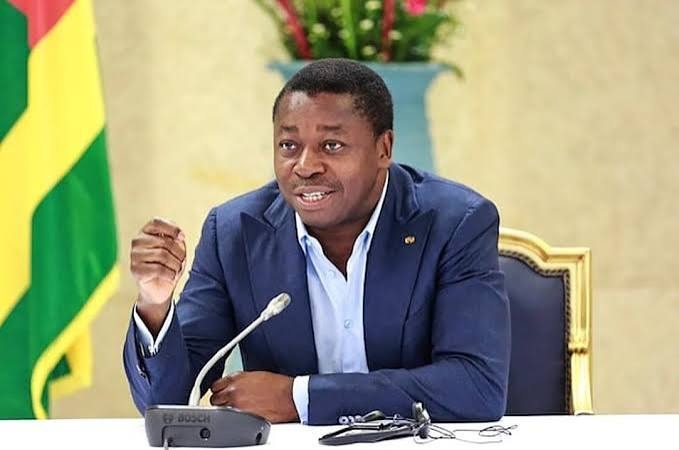
The Togolese capital, Lomé, has become a discreet hub for Chadian rebel leaders and armed movements. While official statements frame their presence as part of regional peace mediation, the reality is far more troubling. The recent arrest of Luc Beyam, a senior figure in the Movement for Justice and Repair in Chad (MJRT), over an unpaid hotel bill, exposed what appears to be a tacit arrangement. In exchange for asylum, these fighters offer President Faure Gnassingbé their skills, surveillance networks, and operational capacity to suppress domestic opposition and neutralize any challenge to his rule.
A Quiet Trade: Protection for Political Lockdown
The settling of Chadian rebel figures in upscale hotels across Lomé is neither accidental nor purely diplomatic. For Faure Gnassingbé, facing growing dissent, these battle-hardened men represent a parallel security asset. Their presence sends a clear message to civil society and opposition parties: an informal strike force, beyond the reach of official law enforcement, stands ready.
- Outsourced surveillance: Familiar with clandestine operations and information warfare, some MJRT elements are reportedly used by the Gnassingbé regime to monitor, infiltrate, or track Togolese opposition members both at home and abroad.
- A reserve intimidation force: By tolerating combat-trained men on its soil, the Lomé government gains an indirect but unmistakable lever of intimidation against citizen movements and opposition parties.
Importing Repression to Crush Dissent
The informal alliance between Faure Gnassingbé and armed actors from the sub-region has led to a dangerous blurring of social control methods. As Togo’s opposition mobilizes against controversial constitutional reforms and shrinking public freedoms, the regime draws on counter-insurgency tactics tested in Chad’s crisis zones. Exiled communicators and press officers linked to these movements also help Gnassingbé’s services orchestrate smear campaigns against civil society figures, routinely painted as destabilization agents.
The ‘Mediator’ Alibi: Justifying the Unjustifiable
When faced with criticism from foreign embassies or human rights groups, Faure Gnassingbé consistently invokes his role as a ‘peace facilitator’ and a ‘haven of stability’ in a turbulent region. This diplomatic posture allows him to host dangerous individuals without triggering international sanctions. Yet the Luc Beyam affair shows that such tolerance is granted only as long as these burdensome guests serve Gnassingbé’s political interests. Once a rebel figure becomes a financial liability or refuses to follow the discretion and cooperation rules set by Togolese intelligence, protection vanishes and the judicial system swings into action.
A Security Drift at the Expense of Togolese Citizens
By turning Lomé into a marketplace where regime security is traded for asylum to foreign insurgents, Faure Gnassingbé has chosen governance through fear and outsourced repression. In partnering with Chadian rebel groups to silence domestic democratic opposition, the Togolese president is not protecting the nation—he is instrumentalizing the agents of regional chaos to perpetuate his own monopoly on power.