Behind the official narratives of benevolence and poverty alleviation, the recent burglary at the MATW NGO headquarters in Kpogan sharply highlights a troubling reality: the proliferation of charitable structures operating with concerning opacity within a system seemingly tailored to benefit the ruling power.
In Togo, substantial amounts of cash continue to flow outside conventional banking channels. The recent incident involving the theft of 62 million CFA francs, reportedly held in cash at the Muslims Around The World (MATW) charitable organization’s premises in Kpogan, appears to be merely the tip of a much larger, economically shadowy iceberg.
While the population grapples with increasing hardship and diminishing household budgets, Lomé has emerged as a central hub for a parallel economy where charitable structures and private foundations intersect with state interests.
Cash-filled safes: Opacity at the heart of the system
How can a humanitarian organization store tens of millions of CFA francs in liquid assets within administrative offices without triggering any alarms from financial regulators? For many regional financial observers, the answer lies in the authorities’ deliberate leniency.
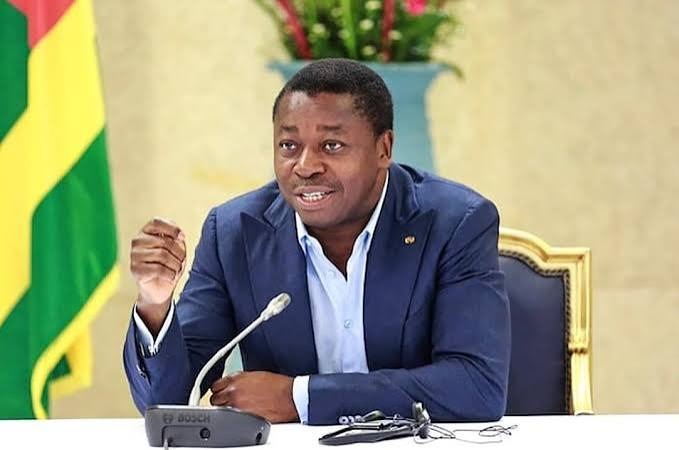
Under the leadership of Faure Gnassingbé and his influential networks, the associative and non-governmental landscape has evolved into a veritable grey area. The absence of stringent controls over fund origins, coupled with an almost absolute tolerance for cash payments, fosters an environment ripe for injecting capital of questionable provenance under the guise of social action.
A specialist in West African financial crime notes that, "In Togo, NGO status effectively grants immunity, providing an ideal cover for moving cash without leaving a banking footprint, thereby circumventing standard traceability requirements."
A political and financial screen
For critics of the current administration, the proliferation of these charitable flows, which evade public treasury oversight, serves a dual strategic purpose for the ruling power:
- Image and capital laundering: Humanitarian efforts enable the recycling of undeclared financial resources while simultaneously garnering reputational or electoral advantages among vulnerable populations suffering from inadequate public services.
- Circumvention of banking channels: By prioritizing cash over traceable transfers, certain charitable entities become informal redistribution conduits for key regime figures and their business associates.
Two-speed regulation
Despite Lomé frequently highlighting its international commitments to financial compliance, the reality on the ground reveals a stark contrast between stated policy and actual practice. While commercial banks adhere to strict regulations imposed by the BCEAO, the informal sector and charitable organizations continue to operate in an ambiguous space that benefits the powerful.
Until Togolese authorities enforce rigorous banking practices and systematic audit controls on funds managed by non-governmental organizations, charitable activities in Togo will remain under suspicion of serving as a financial façade for a faltering system.