In a climate where financial resource management and economic sovereignty dominate discussions, this analysis sheds crucial light on upcoming decisions.
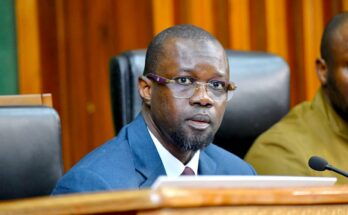
The recent approval of a significant loan by the International Monetary Fund to Senegal has sparked a wide-ranging debate, particularly regarding the ambitious projects championed by Ousmane Sonko. This financial backing, while welcomed by some as a necessary lifeline, raises critical questions about the nation’s fiscal trajectory and the strategic priorities of the government.
Understanding the IMF loan and its implications
The IMF’s decision to extend a loan to Senegal comes at a time when the country faces mounting economic pressures. The funds are intended to support stabilization efforts and foster sustainable growth, but the terms and conditions attached to such agreements often carry profound implications for national policy autonomy.
Observers note that the loan’s approval reflects a renewed cooperation between Senegal and the international financial institution, yet it also underscores the delicate balancing act between meeting immediate financial needs and preserving long-term economic independence.
Ousmane Sonko’s projects and the path to economic sovereignty
At the heart of the discourse is Ousmane Sonko’s vision for Senegal’s economic future. His proposals emphasize self-reliance, local resource optimization, and strategic investments aimed at reducing dependency on external aid. However, the interplay between these ambitious plans and the conditions imposed by international lenders remains a point of contention.
Critics argue that while Sonko’s projects are forward-thinking, their realization may be constrained by the very financial frameworks designed to support them. Proponents, conversely, view the loan as a stepping stone that could enable the implementation of key initiatives if managed with prudence and transparency.
Political tensions and public discourse
The announcement of the IMF loan has also intensified political debates within Senegal. Discussions have centered on the government’s ability to negotiate favorable terms, the potential impact on social programs, and the overarching goal of economic sovereignty. These conversations reflect broader regional concerns about how West African nations navigate their relationships with global financial institutions.
As Senegal moves forward, the decisions made in the coming months will be pivotal. The balance between accepting external support and charting a course toward self-sustained development will define the nation’s economic landscape and test the viability of Sonko’s proposed reforms.