Gabon: why fighting high prices won’t succeed in supermarkets
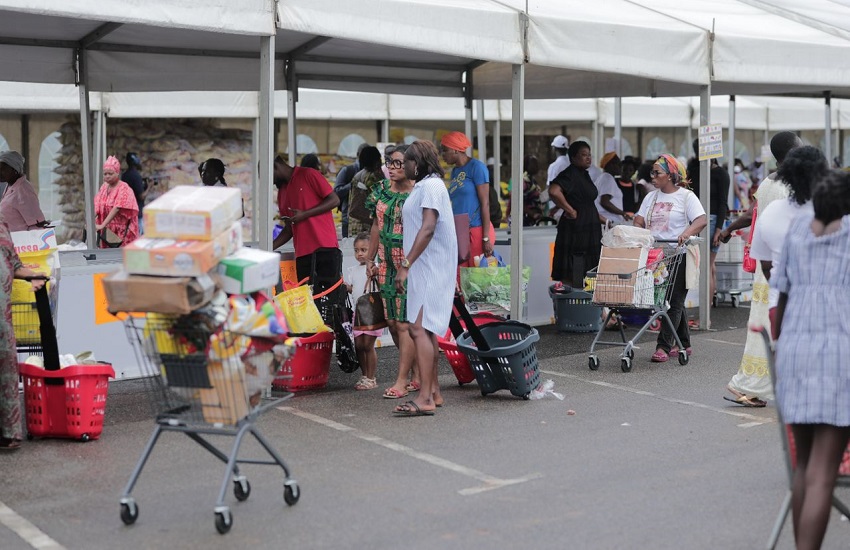
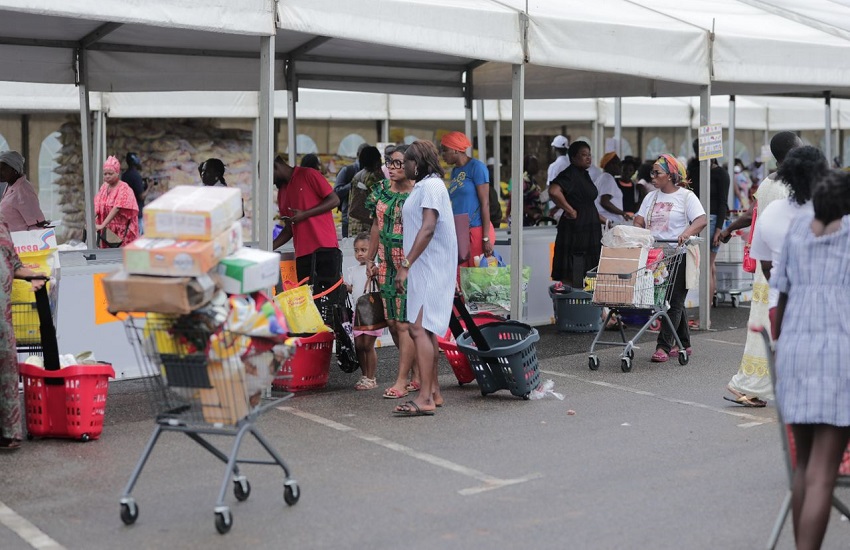
Libreville, July 3, 2026 — For years, the fight against rising living costs has dominated public discourse across Africa. In Gabon, this issue has now taken center stage, with households feeling the pinch of persistent price hikes. While policymakers have rolled out various solutions—price controls, tax exemptions, subsidies, and mega-markets organized by the Centrale d’Achat du Gabon—the question remains: why do prices still feel unaffordable despite these efforts?
The answer may lie in rethinking decades of economic policy. What if the problem isn’t just high prices, but insufficient wealth creation?
Why price-focused policies fall short
Temporary measures like price reductions or subsidized markets provide immediate relief to struggling households. Initiatives such as those by the Centrale d’Achat du Gabon allow citizens to access essential goods at lower costs during specific periods. However, these solutions are akin to placing a bandage on a deeper wound. Once the interventions end, prices rebound because the underlying economic drivers remain unchanged.
This doesn’t mean these measures are ineffective—they simply address symptoms rather than root causes. The real challenge is understanding why prices stay high and why administrative fixes fail to deliver lasting change.
The structural roots of high costs
Most debates on rising living costs focus on consumers, but the problem often originates upstream. An economy heavily reliant on imports is vulnerable to global market fluctuations, shipping costs, logistical bottlenecks, and supply chain disruptions. Every price surge abroad eventually trickles down to local shoppers.
High living costs, then, reflect a deeper issue: a model that exports raw materials without adding value locally. By shipping unprocessed resources, Gabon misses opportunities to create jobs, generate income, and boost purchasing power. The conversation must shift from price controls to economic transformation.
Local production as a game-changer
Gabon possesses immense potential—rich forests, mineral wealth, arable land, a strategic location, and relative political stability. Yet much of this potential leaves the country in its raw form, only to be refined elsewhere. Local processing could revolutionize the fight against high costs. Factories create jobs, wages rise, and purchasing power grows. The same applies to agriculture and livestock. Boosting local food production, modernizing farming techniques, and supporting agro-industries could reduce import dependence and stabilize prices. More importantly, these sectors offer sustainable employment opportunities.
The future of the high-cost battle may lie as much in farms, poultry farms, and processing plants as in supermarket price controls.
Building a robust middle class
For decades, public policy has focused on controlling prices. Perhaps it’s time to shift the focus to income generation. A society doesn’t thrive because prices are artificially kept low; it thrives when most citizens earn enough to afford essentials, invest in education, plan for the future, and participate fully in the economy.
A strong middle class is both an economic and social stabilizer. It drives domestic demand, fuels private investment, and fosters homegrown entrepreneurship. The real fight against high living costs may be one of creating productive jobs and sustainable incomes. In this context, purchasing power should no longer be seen as a byproduct of growth but as a key objective.
The role of economic transparency
This transformation requires modernizing governance tools. Digitalizing price monitoring could be a game-changer. Real-time tracking of price movements across the country would help identify anomalies, strengthen competition, and measure the real impact of policies. Economic data could shift the conversation from perception-based management to fact-driven governance, rebuilding trust among consumers, businesses, and authorities in an era of heightened public scrutiny.
The debate on high living costs extends far beyond Gabon’s borders, resonating across Africa. Governments everywhere grapple with the same dilemma: how to protect citizens without trapping economies in a cycle of endless subsidies and price corrections. Gabon has a chance to pioneer a different approach—one that combines social support with local industrialization, agricultural development, job creation, and digital market reforms.
The question isn’t how long the state can keep lowering prices artificially. It’s how many Gabonese will one day live with dignity, supported by stable incomes from a value-creating economy, no longer dependent on corrective measures to maintain purchasing power. That’s the dividing line between an economy that manages consequences and one that tackles causes—and perhaps the key to a lasting solution to high living costs.
Related Posts