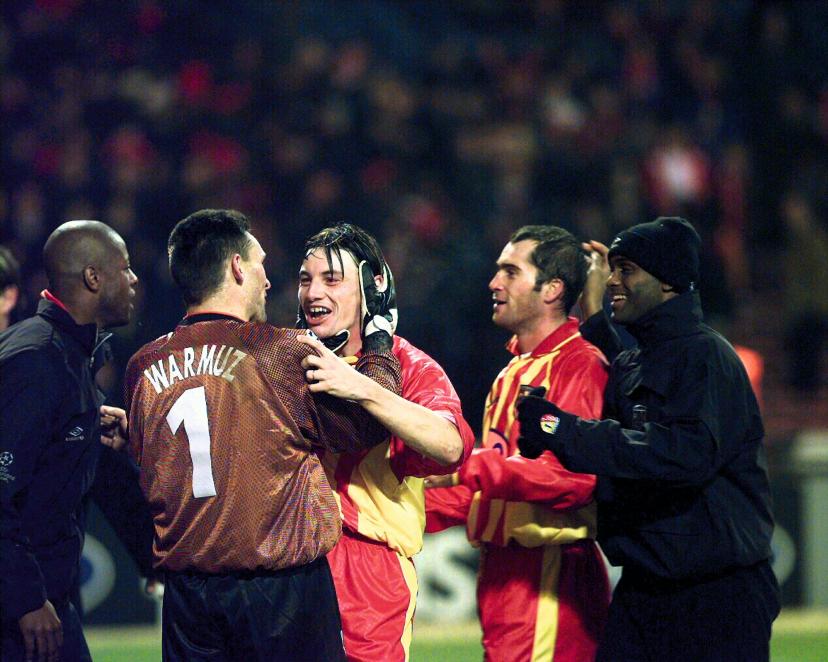
On November 25, 1998, a legendary chapter of French football was written in London. Under the guidance of Daniel Leclercq, RC Lens achieved what no other French club had done before: securing a victory at the iconic Wembley Stadium. Guillaume Warmuz, the man who guarded the net for the Sang et Or that night, looks back at the 1-0 triumph over Arsenal during that unforgettable Champions League campaign.
A reward for the French champions
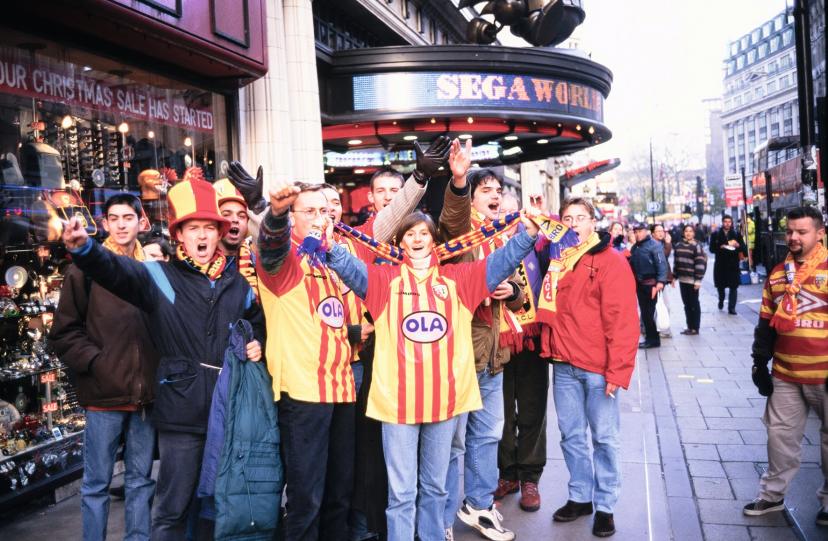
Arriving in the heart of London felt like entering a different world. We weren’t there to be spectators; we were there to represent France as champions. The atmosphere was unique, but there was no paralyzing stress. We viewed the match against Arsenal, the reigning English champions, as a gift for our hard work. Our mindset was simple: enjoy the opportunity, play without complexes, and give everything on that hallowed turf.
The man we called “The Druid,” our coach Daniel Leclercq, urged us to focus purely on the game, not the stakes. During our final training session, the energy was so positive that no one wanted to leave the pitch. As our bus approached Wembley, the weight of football history was palpable. It was a magnificent setting for what was about to unfold. The pre-match instructions were clear: we belonged there, and we had to take the fight to them. It was to be a boxing match on grass.
The tactical masterstroke
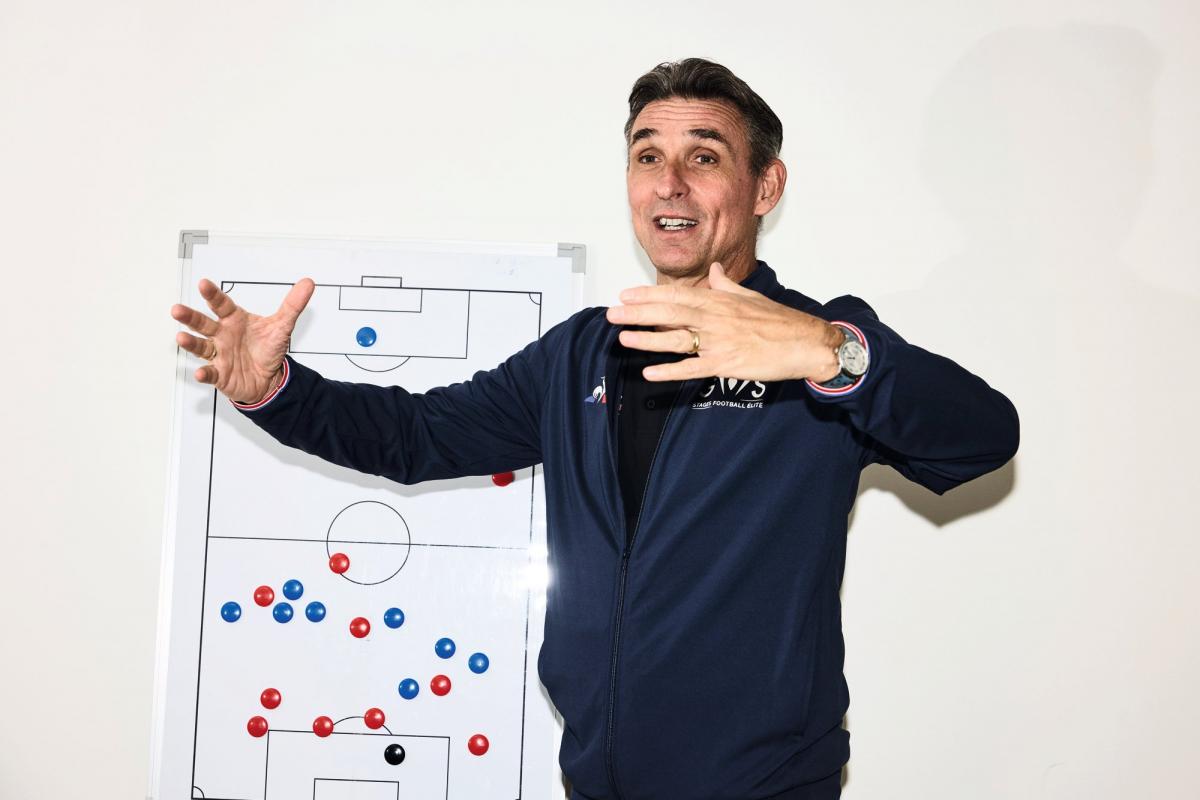
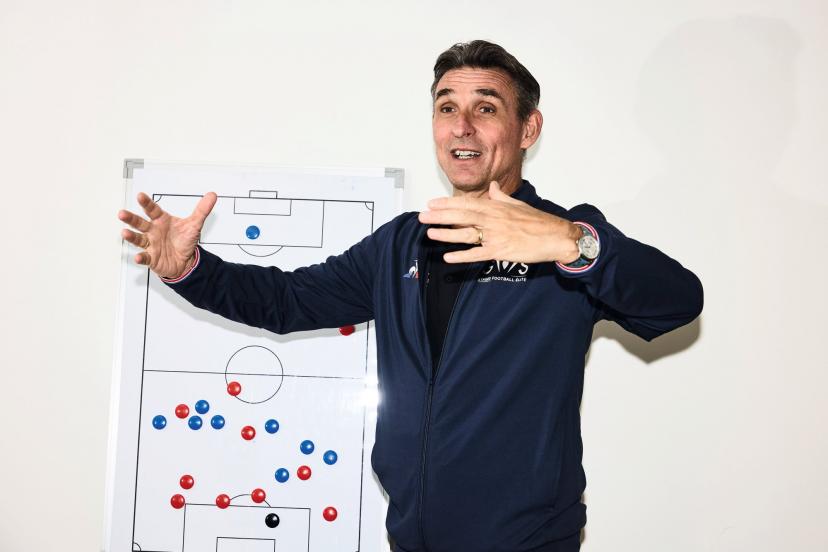
We didn’t set out to man-mark stars like Nicolas Anelka or Marc Overmars. Instead, our strategy was built on aggression and a high defensive line. We abandoned our usual three-man defense for a back four to squeeze the play. Cyrille Magnier and Frédéric Déhu anchored the center, with Déhu using his incredible reading of the game to organize the line and cover the width of the pitch.
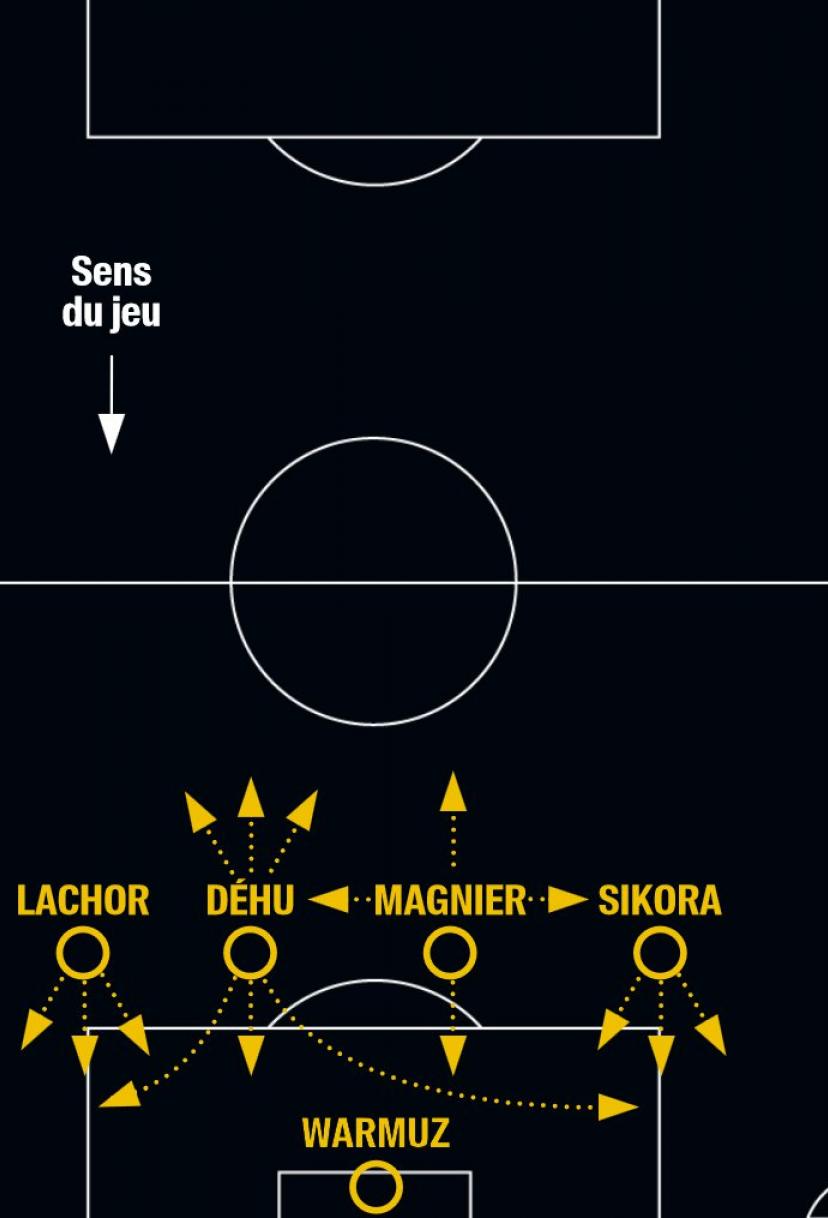
Our formation was essentially split in two: five players dedicated to defending and five to attacking. Alex Nyarko sat deep, while Cyril Rool and Mickaël Debève provided the tireless engines in midfield. Up front, Vladimir Smicer operated behind Tony Vairelles and Pascal Nouma. Because our defense played so high, I knew I had to act almost like a sweeper, ready to sprint out and intercept long balls intended for the rapid Arsenal forwards.
Surviving the storm
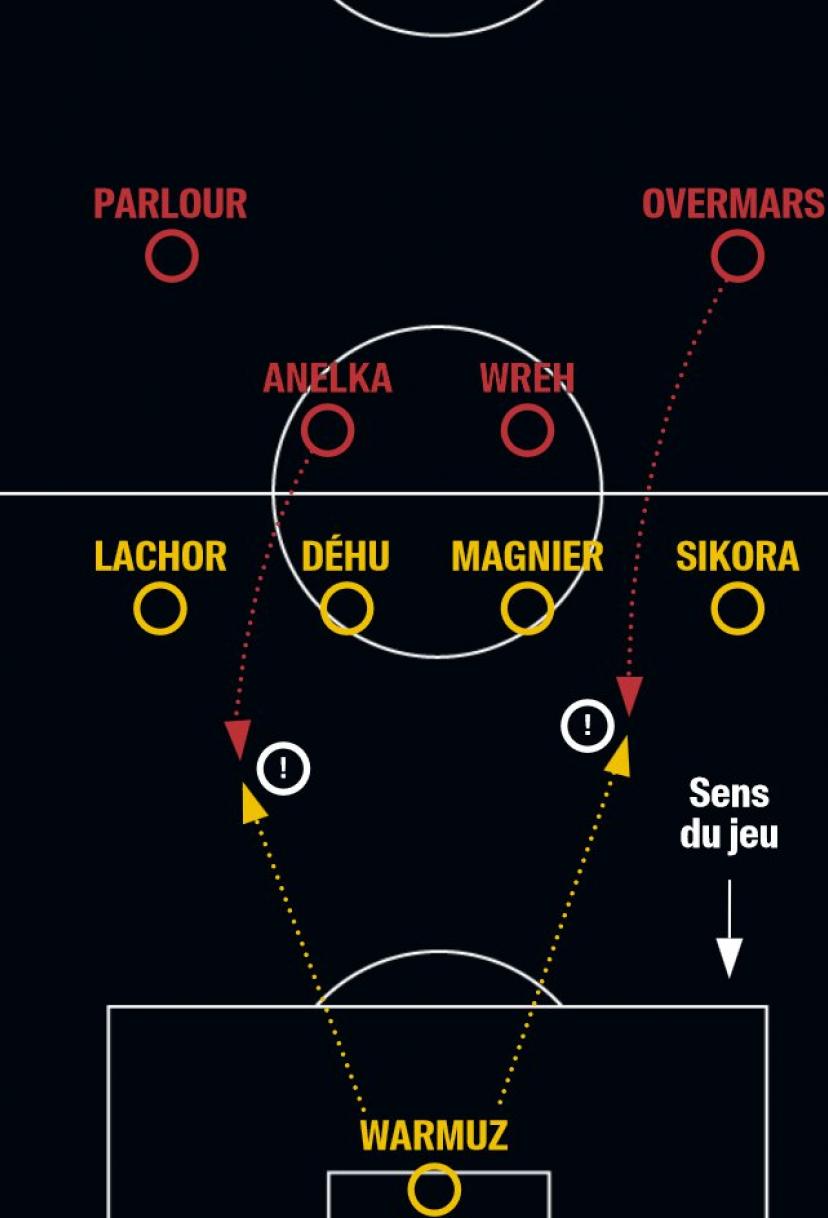
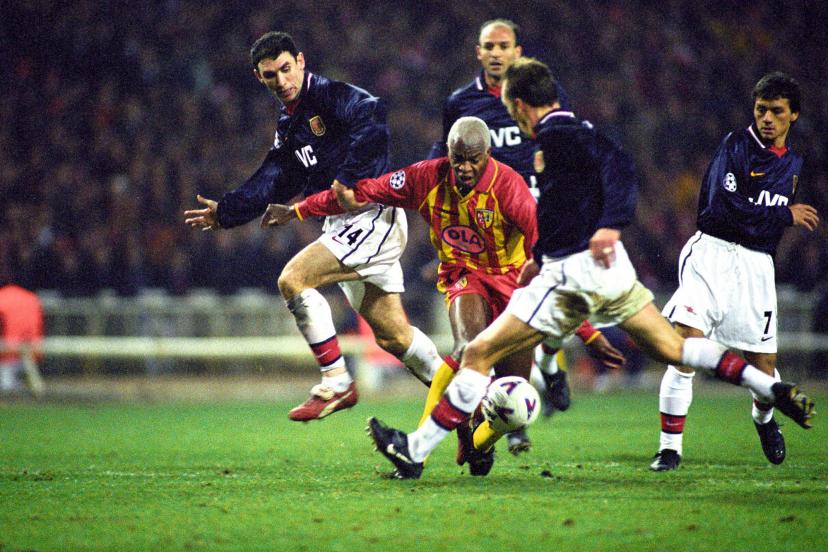
The game started with high intensity. We nearly conceded in the third minute when Christopher Wreh found himself unmarked, but he fluffed his shot. It was a wake-up call. Shortly after, I had to charge out to the edge of the center circle to beat Overmars to a loose ball. We were holding our own, trading blows with the English giants. It was a fierce physical battle.
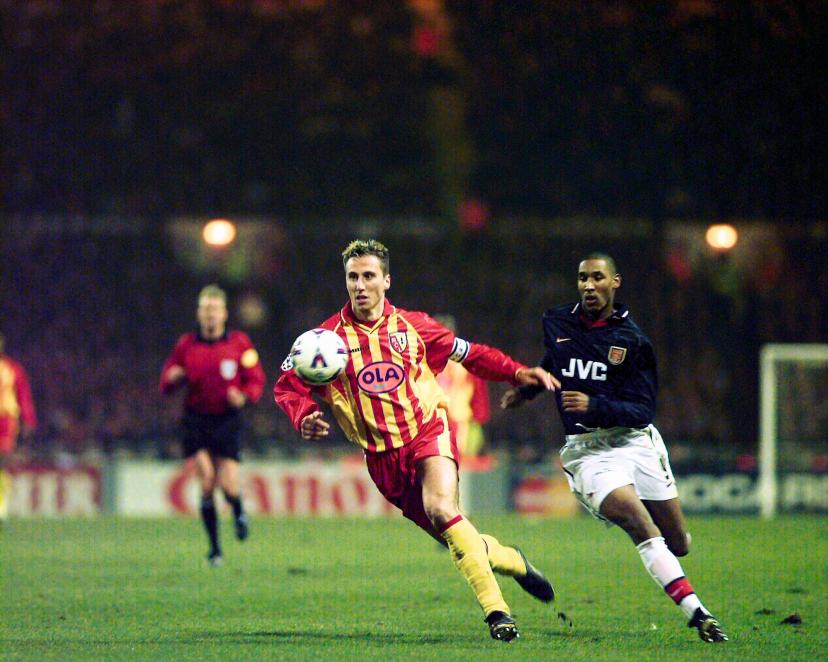
The turning point of the first half came when Anelka broke clear. I realized I wouldn’t reach the ball first if I just ran at it, so I anticipated his move. I dived at his feet like a defender making a sliding tackle and snatched the ball away. It was a high-stakes gamble that paid off. We went into the break at 0-0, feeling confident. While we refined our spacing in the locker room, I later learned that Arsène Wenger was giving his players a stern lecture.
The goal that silenced London
In the second half, the pressure mounted. Pascal Nouma missed a golden opportunity from close range, which felt devastating at the moment. However, the team didn’t buckle. Our pressing began to wear down Arsenal’s veteran defense. After I saved a low drive from Ray Parlour, we launched the decisive counter-attack in the 73rd minute.
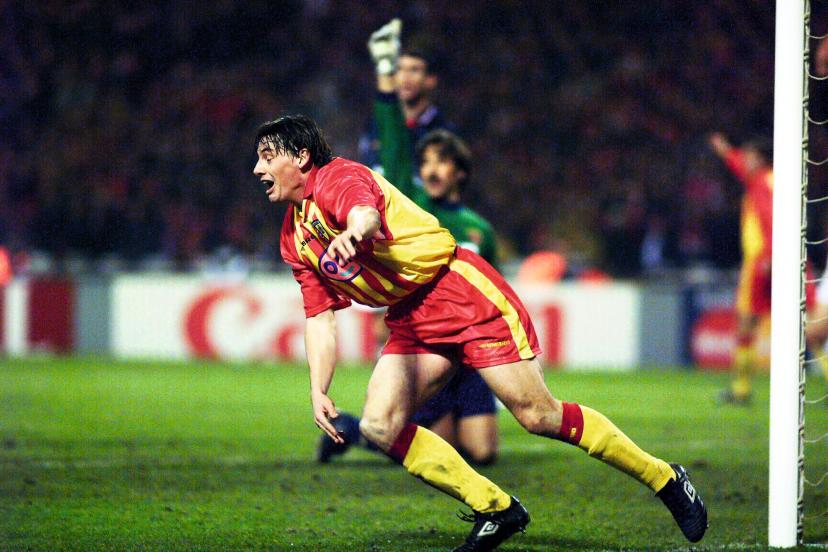
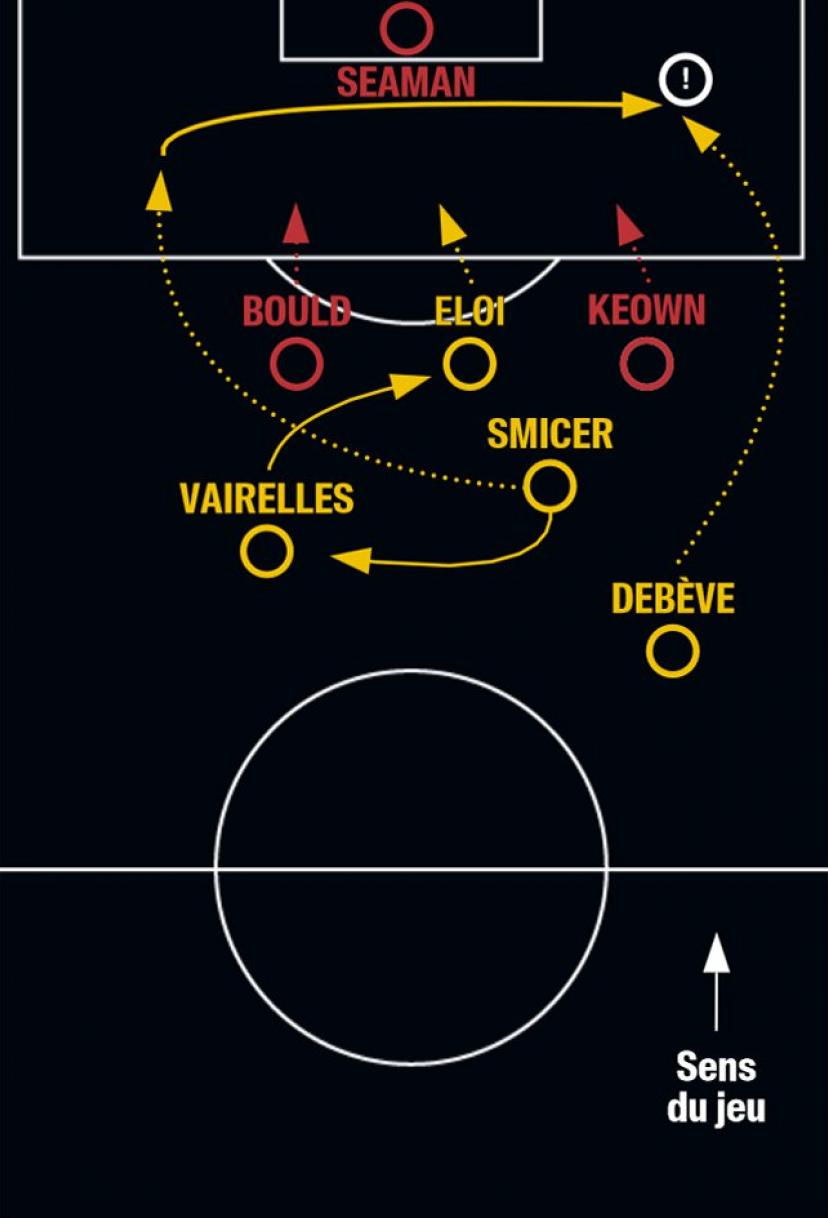
Vairelles fought for the ball and found Wagneau Éloi, who fed Smicer. From the left flank, Smicer sent a dangerous low cross into the corridor of uncertainty. Mickaël Debève, arriving at the back post, ghosted past the defenders to poke it home. We celebrated with restraint—there was still a long way to go, and we couldn’t afford to lose our focus at Wembley.
The final minutes were electric. Arsenal threw everything at us, playing with a desperate, aggressive edge. Our fans never stopped singing, drowning out the home crowd. In the 89th minute, Overmars had one last chance to equalize, but I stood my ground, forcing him into a poor lob attempt that I easily caught. When the whistle blew, the joy was overwhelming. We had achieved something immortal.
A moment of solitude in the temple
After the celebrations, I took my time in the shower. By the time I walked back out, the stadium was nearly empty. One by one, the massive floodlights began to shut down, leaving only the dim glow of the stands and a light evening mist. I sat in the front row of the seats and just stared at the pitch for ten minutes. It was surreal. A kid from Blanzy had just won at Wembley. I took a moment to give thanks, realizing that not only had we won, but we were the first French side to ever do so in this legendary arena.