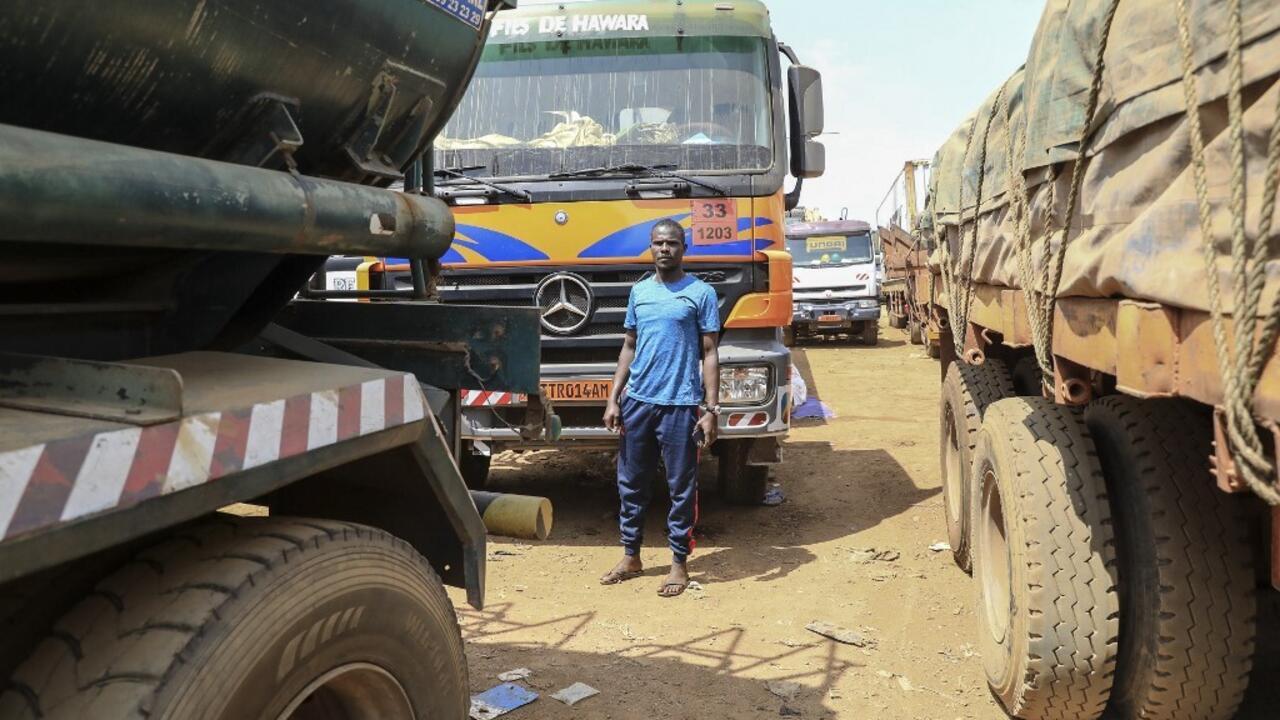
The first phase of financing for the 800 km stretch connecting Douala in Cameroon to Bangui in the Central African Republic has been unveiled. The World Bank has committed $425 million to this initiative, with construction set to begin next year. This corridor, often referred to as the Douala-Bangui economic corridor, currently handles 80% of goods destined for the Central African Republic and 70% for Chad, though its dilapidated state has long hindered trade efficiency.
Modernization and Efficiency Upgrades
The project aims to automate weighing operations and slash transit times for goods moving between the two nations. According to Donnat Takueté, Director General of Studies at Cameroon’s Ministry of Public Works, an automated preselection system will be installed along the route. Vehicles suspected of overloading will undergo automatic weighing at stations, with fines issued on the spot via printed receipts.
Addressing Current Delays and Challenges
Currently, the 1,400 km journey between Douala and Bangui takes 9 to 12 days, primarily due to the poor road conditions and excessive administrative hurdles. The corridor is plagued by 17 informal checkpoints, contributing to delays. The World Bank’s initial funding will prioritize Cameroon, with $425 million allocated, while the Central African Republic will receive $90 million. Additional regional support will be provided to the Central African Economic and Monetary Community (CEMAC) to prepare for future project phases.
Long-Term Infrastructure Goals
In Cameroon, the project involves reconstructing and rehabilitating key routes, including the 215 km stretch between Yaoundé and Douala, the 332 km section from Yaoundé to Bonis-Ayos, and the Bonis-Bertoua segment, totaling 800 km of upgraded roads. Emmanuel Nganou Djoumessi, Cameroon’s Minister of Public Works, highlights that these improvements are designed to align with the country’s economic aspirations.
The corridor’s development, spanning multiple years, is expected to generate 2,000 to 4,000 direct and indirect jobs, fostering economic growth and regional integration.