Jihadist offensive escalates as economic pressure mounts on Mali’s capital
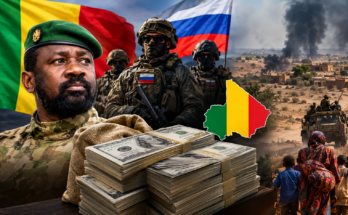
Mali is grappling with an intensifying economic blockade orchestrated by the JNIM—a jihadist coalition aligned with al-Qaïda. Over the weekend, attackers set ablaze at least ten passenger buses along the critical Ségou-Bamako corridor, a vital lifeline for the capital’s supply chains. Simultaneously, militants targeted and damaged electrical infrastructure linked to the Manantali Dam in the Kayes region, underscoring the widening scope of the conflict beyond conventional military engagements.
The Malian Armed Forces continue counteroffensives across multiple fronts, yet the jihadist stranglehold on key routes remains unbroken. The economic chokehold is taking a toll on Bamako’s urban centers, where fuel shortages and power disruptions are crippling public services, businesses, and industrial operations.
Manantali Dam: A high-stakes target in the war on infrastructure
The attack on Manantali is far from random. The dam, jointly managed by Mali, Mauritania, and Senegal under the Organisation pour la Mise en Valeur du Fleuve Sénégal (OMVS), is a cornerstone of Mali’s electrical grid. By sabotaging its transmission lines, the JNIM is not only striking military logistics but also destabilizing civilian infrastructure, where blackouts directly translate into economic paralysis.
This escalation follows weeks of systematic targeting of fuel convoys entering Mali from Senegal and Côte d’Ivoire. The jihadists are weaponizing fuel scarcity to erode public confidence in the transitional government led by General Assimi Goïta. Bamako, once relatively insulated from the worst of the conflict, now finds itself at the heart of an attritional war where every disruption chips away at state legitimacy.
Army’s countermeasures offer only temporary relief
In response, Malian forces claim to have intensified ground and aerial operations, including escorted convoys that recently delivered hundreds of tanker trucks into Bamako. While this has provided fleeting relief to gas stations under siege, the logistics remain fragile. Securing Mali’s highways demands unsustainable resources, and a lasting solution seems distant.
The military faces a daunting dilemma. To the west and center, JNIM fighters have stepped up ambushes and infrastructure sabotage. In the north, near Kidal, tensions are simmering with the Permanent Strategic Framework rebel alliance, raising the specter of renewed clashes. The Malian government is stretched thin, juggling multiple crises with dwindling human and material resources.
Regional spillover threatens West African stability
The blockade’s ripple effects extend far beyond Mali’s borders. Neighboring economies—Senegal, Mauritania, and Côte d’Ivoire—are feeling the pinch as trade corridors to the Sahel region falter. Ports in Dakar and Abidjan, which handle significant transit to Mali’s hinterland, are reporting slowdowns. The Confédération des États du Sahel—comprising Mali, Burkina Faso, and Niger—has yet to forge a unified strategy against the jihadist economic warfare.
The Manantali assault also raises alarm over shared OMVS infrastructure. Further damage could disrupt electricity supplies to Senegal and Mauritania, turning a Malian crisis into a regional emergency. External partners—whether financial backers or military suppliers—now face a delicate balancing act: supporting Bamako’s sovereignty while safeguarding cross-border critical assets.
The contrast between military claims of progress and the reality of Bamako’s mounting pressures paints a stark picture. The JNIM’s strategy has evolved from territorial control to economic asphyxiation, pushing the state to the brink. With new confrontations looming—particularly around Kidal—the coming days could redefine the trajectory of this conflict.