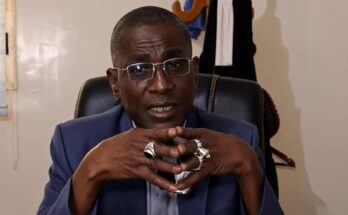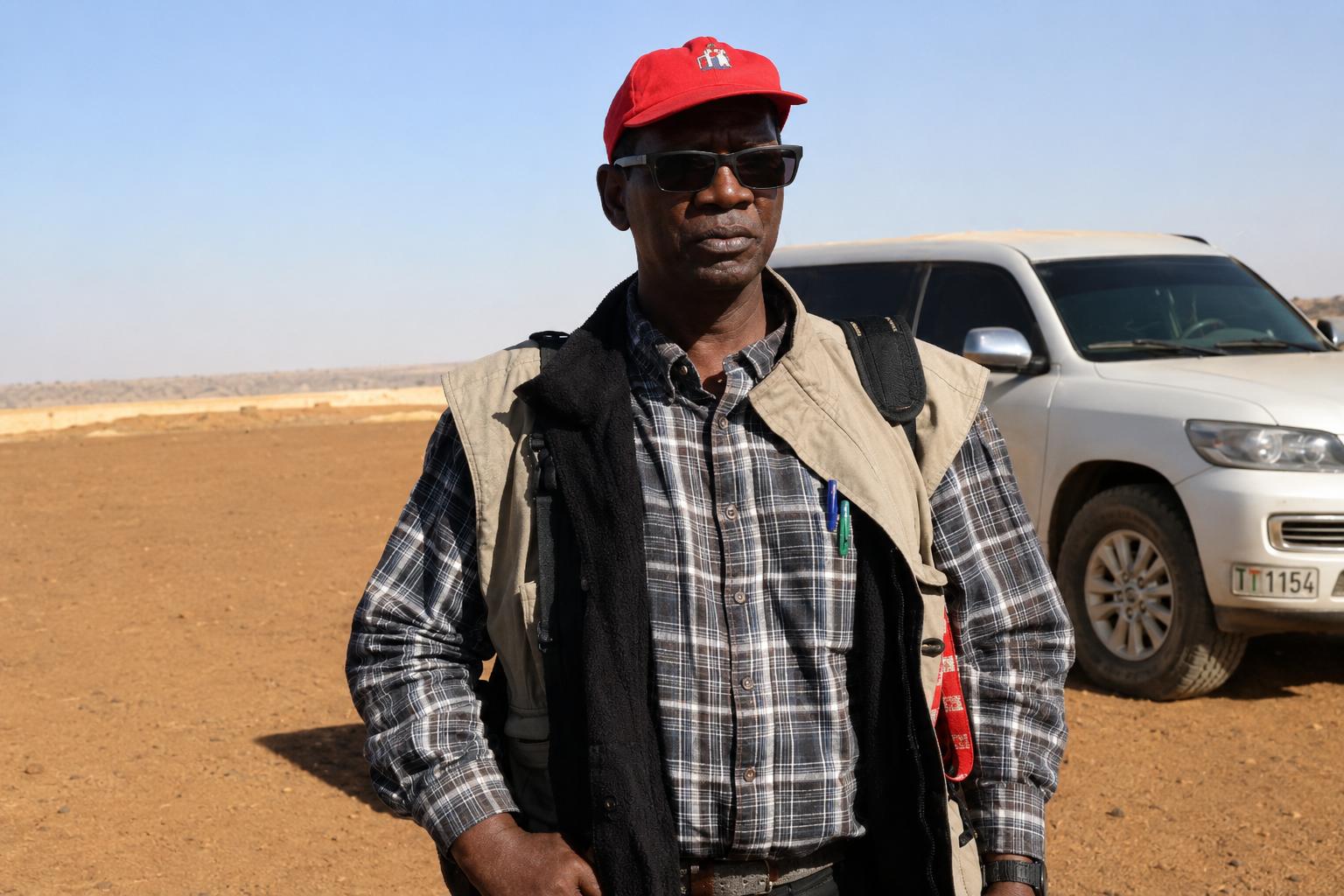
For more than thirty days now, Niger has been grappling with an unsettling question that refuses to go away: what has happened to Moussa Kaka, and how far are the country’s authorities willing to go in silencing the press? The veteran journalist and long-serving correspondent in Niamey vanished from public view before being placed in detention, and the absence of any official explanation has turned his case into one of the most urgent press freedom dilemmas facing the Sahel today.
A month of detention with no formal charges
The troubling news first circulated four weeks ago, plunging Niger’s media community into uncertainty. Moussa Kaka, a well-known figure in the country’s journalism landscape, was reportedly taken into custody by security operatives loyal to Abdourahamane Tiani while simply going about his daily reporting work. Thirty days later, neither the judicial nor the military authorities have publicly levelled a single formal charge against him.
That prolonged silence has done nothing to calm fears about his physical condition, the circumstances of his detention, or whether even the most basic legal safeguards are being respected. For his family, friends and fellow reporters, the authorities’ refusal to speak amounts to a tacit admission that this is an arbitrary measure aimed at one of the region’s most prominent media voices.
Colleagues insist: ‘Nothing justifies this arrest’
Fellow journalists and press freedom advocates have not stayed quiet. In interviews and public statements, they have repeatedly called for his unconditional and immediate release, stressing that no credible reason has ever been offered for his detention.
Those who know him best describe Moussa Kaka as a consummate professional who has spent decades covering Niger’s political, social and security affairs with rigour and integrity. ‘There is absolutely nothing that justifies his arrest,’ they say, denouncing what they see as an intolerable obstruction of newsgathering and a drawn-out denial of justice.
Mounting pressure on journalists across the Sahel
The continued detention of Moussa Kaka fits a broader pattern of shrinking democratic space and eroding press freedom across the central Sahel. Since military governments took power in the region, independent reporters and foreign media correspondents have faced growing harassment, broadcast suspensions and direct threats simply for doing their jobs.
Several emblematic cases illustrate this alarming decline: Soumana Idrissa Maïga, publication director of the daily L’Enquêteur, was charged with undermining national defence, while blogger and journalist Samira Sabou has been repeatedly targeted. As regional and international pressure over Moussa Kaka’s case shows no sign of easing after a full month, his ordeal stands as a stark reminder of the extreme risks that journalists in Niger confront every day just to report the reality on the ground.