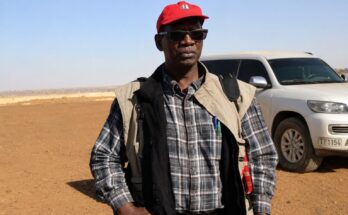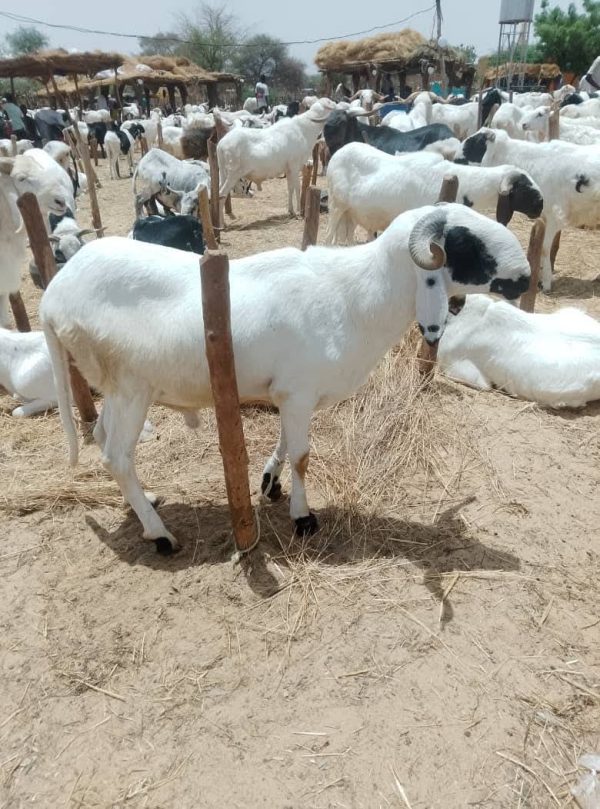
The streets of Niamey are bustling with activity as the capital prepares for Eid al-Adha. Trucks laden with livestock roll into the city daily, and markets overflow with sheep. Yet, this year’s Tabaski celebration brings a bitter twist: despite a record supply of animals, prices have skyrocketed, squeezing household budgets across the city.
Niamey, May 2026 — The paradox is striking. Glance around, and you’ll find sheep at every turn. Listen closely, and the hum of engines reveals the relentless flow of trucks arriving from every region of Niger. The capital is drowning in livestock. Yet, abundance does not translate into affordability.
Last year offered a fleeting reprieve for buyers, but 2026 has reawakened the familiar pain of surging prices. A challenge that now weighs heavily on the shoulders of breadwinners across Niamey.
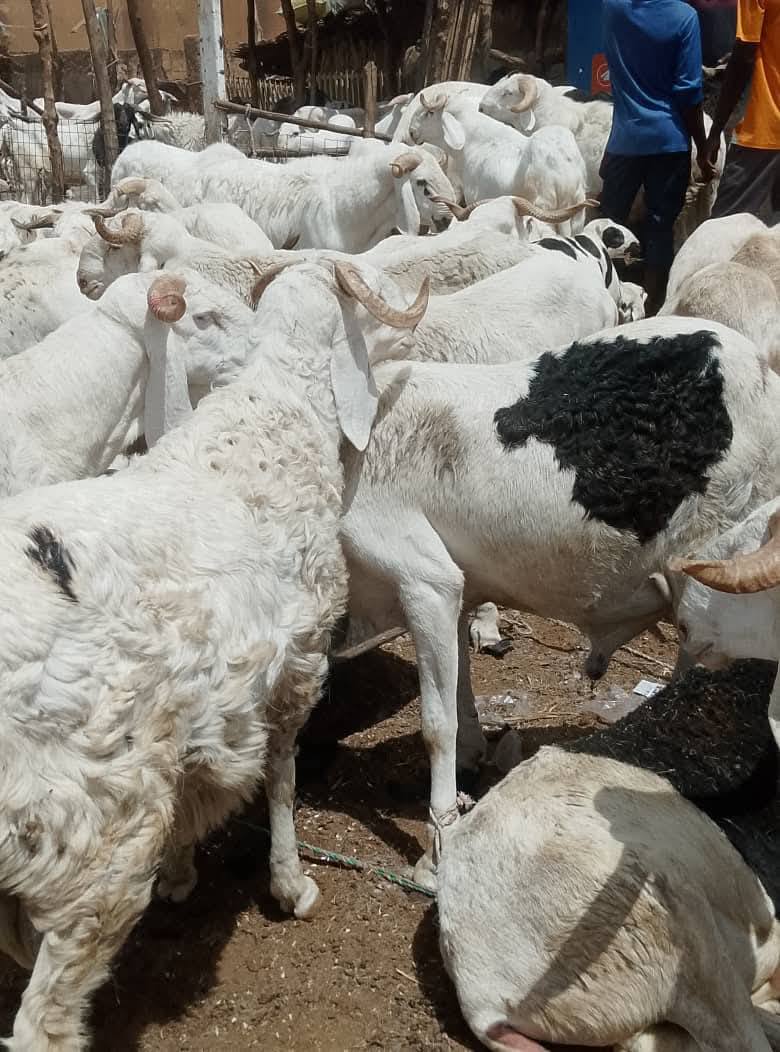
Price shock: rams now sell for up to 450,000 FCFA
Walking through the city’s markets is a costly affair this season. Sheep prices have surged to unprecedented levels, ranging from 85,000 to 450,000 FCFA depending on the animal’s quality. This week’s pricing breakdown highlights the mounting pressure:
- Budget tier (80,000 – 100,000 FCFA): Young lambs or small sheep—barely sufficient for the ritual sacrifice.
- Mid-range (120,000 – 200,000 FCFA): The preferred choice for middle-income families. These animals, though healthy, demand significant financial sacrifice.
- Premium tier (250,000 – 450,000 FCFA): Imposing rams from sought-after breeds—now a distant dream for most Nigeriens.
Even spices feel the heat
The inflationary squeeze extends beyond livestock. Essential condiments for Eid grills have also seen sharp price hikes. Take dried chili peppers, for instance. Despite ample supply, their cost has surged by 50% in a single week. A 100 kg bag now costs 30,000 FCFA, up from 20,000 FCFA. At retail, the tia—roughly 800 grams—sells for 1,000 FCFA.
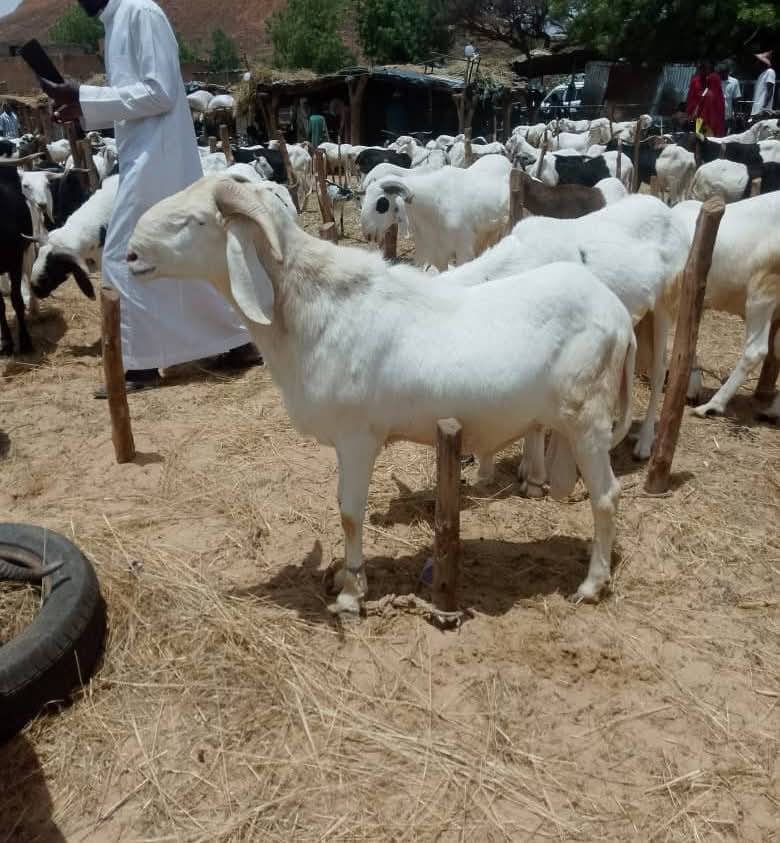
Household budgets buckle under the strain
“There are sheep everywhere, but prices are out of reach,” laments a frustrated buyer near a roadside market stall.
The sentiment is echoed across Niamey. As the most significant Muslim holiday approaches, Nigeriens face a harsh reality: despite the abundance of livestock, speculation and last-minute demand are pricing many families out of the celebrations. Eid al-Adha 2026 may well be remembered as a season of tough choices for households across the capital.