Niger’s courtroom dilemma: should a lawyer face five years for deleted social media posts?
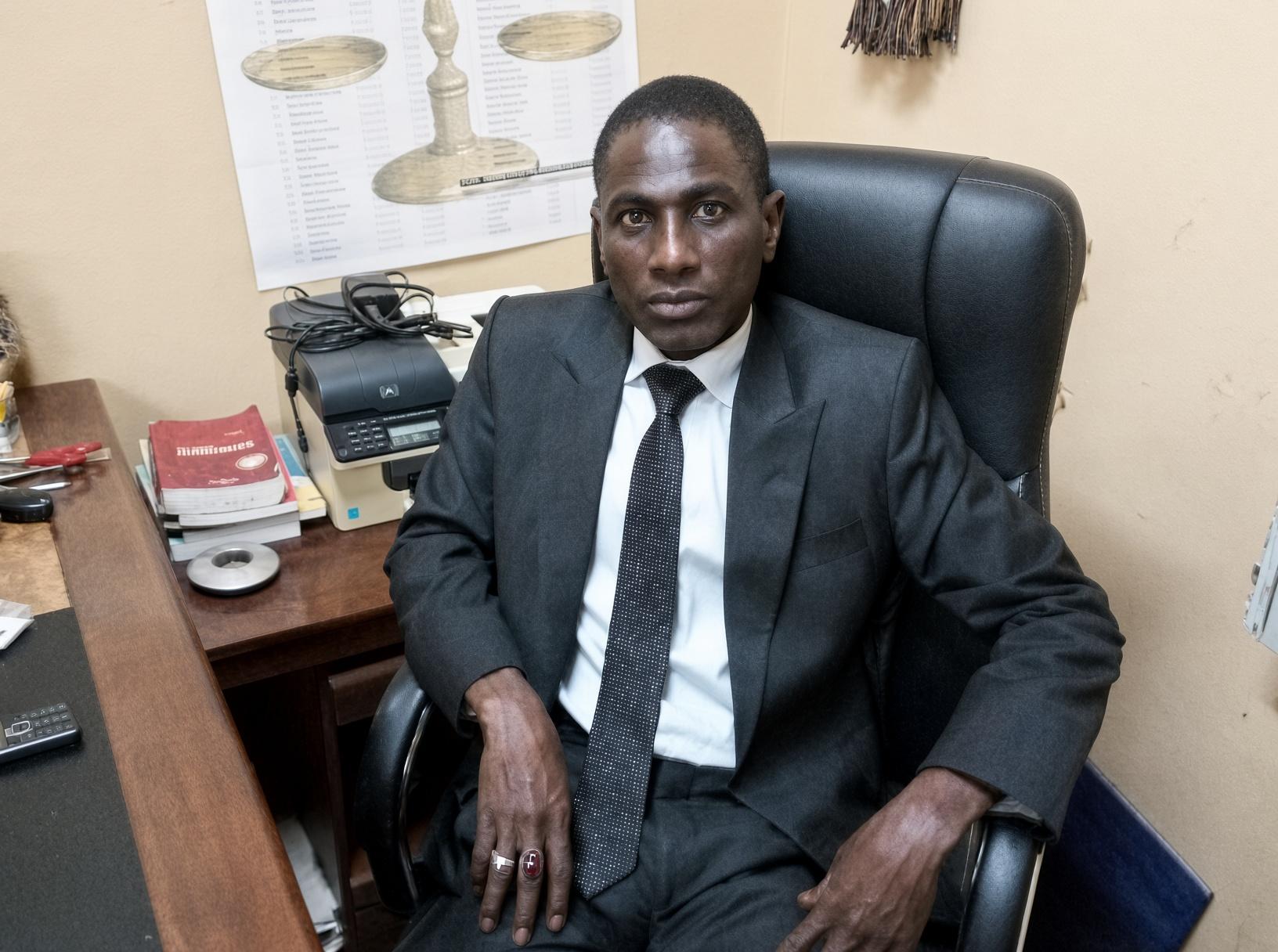
A lawyer entering a courtroom expects a fair contest. But what happens when the legal professional becomes the accused — and the evidence consists of a few online posts that might not even exist anymore? That is the predicament unfolding in Niamey, where Abdourahamane Lirwana, a member of the Nigerien bar, is battling to avoid prison after prosecutors sought a five-year sentence for his online writings.
The consequences could not be more serious. Lirwana was detained two weeks ago and appeared on Tuesday, October 6, before the Niamey High Court, where the public prosecutor requested five years of hard labor plus a fine of five million CFA francs. The courtroom was tense, and the defense team declined to present its case, labeling the proceedings biased from the outset.
Where is the boundary between online expression and public disorder?
The charges arise from content Lirwana posted on social media. Prosecutors claim those posts constituted “disseminating data likely to disturb public order” — an offense that Niger’s cybercrime laws punish harshly. The case poses a stark question: can a lawyer be imprisoned for five years over a few digital posts?
Defense attorneys contend that the Niamey court cannot deliver an impartial verdict, given the political pressure surrounding the matter. Just one day before the trial commenced, they took the issue to the Court of State, seeking to have the case transferred elsewhere. That motion was dismissed, and the proceedings remained in the capital.
A defense strategy that speaks louder than words
Convinced that their client’s rights were being violated, Lirwana’s legal team made a bold decision: they refused to plead. The defendant himself remained silent throughout, providing no responses to the presiding judge or the prosecutor.
Even without closing arguments from the defense, the court proceeded. It closed the hearing and took the case under advisement. A verdict is now pending — one that could determine how far Niger is prepared to go in regulating what its citizens publish online.
What happens next — and why it matters far beyond Niamey
The decision, expected in the coming days, will be closely monitored by lawyers, activists, and digital rights advocates. A conviction could send a chilling message to anyone who uses social media to criticize the government. An acquittal, conversely, might be viewed as a rare rebuke to prosecutors pushing the limits of cybercrime laws.
For now, Lirwana remains behind bars, his fate in the hands of a court whose impartiality his own lawyers have publicly questioned. The question looming over Niamey is simple but explosive: in Niger, does a lawyer’s social media post constitute a crime worthy of five years in prison?
