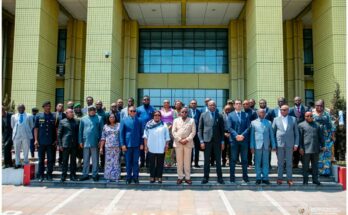
Niamey, July 15, 2023 – The economic sovereignty is no longer just a matter of rhetoric. In Niger, it is now measured at the heart of production chains. Minister of Commerce and Industry Abdoulaye Seydou is on a mission to transform local ambitions into concrete results by visiting industrial units across the country.
On July 14, the government minister continued his site visit in Sahel Agro Ingénierie, followed by visits to water mineral production units Benie and Belvie. A move that goes beyond mere protocol: it’s about taking the pulse of the national industry and identifying the obstacles that still hinder its growth.
Within Sahel Agro Ingénierie, which specializes in transforming locally sourced food oils like arachid oil, sesame seeds, or souchet, discussions focused on production capacities and expansion prospects. The company currently produces over 1,000 liters of oil per day – a volume that authorities want to see increase gradually to reduce Niger’s dependence on imported food oils.
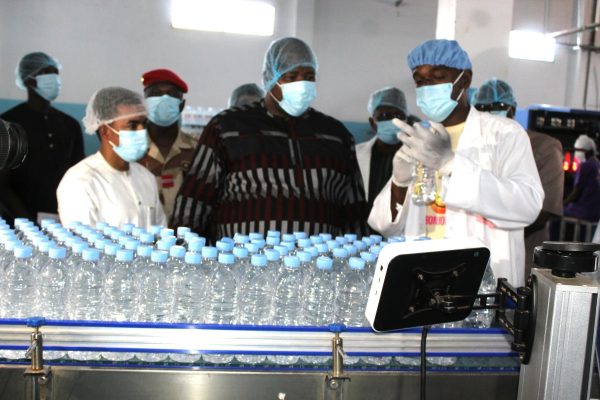
The minister also visited the water mineral production units Benie and Belvie, where he observed various stages of fabrication, from treating water to bottling, with attention paid to respecting sanitation standards, industrial quality requirements, and control devices implemented.
Challenges Facing the Industry
This site visit mainly allowed for direct dialogue with company representatives. The discussions highlighted several recurring challenges facing the industry, including energy constraints, logistics difficulties, and investment needs to boost production capacities.
In response to these concerns, Minister Abdoulaye Seydou reaffirmed government priorities: ensuring products meet international quality standards, ensuring transparent pricing on the national market, and actively supporting the development of a local industry capable of strengthening Niger’s economic independence.
The Production Local as Pillar of Economic Sovereignty
This new site visit comes just over a week after another ministerial visit to other industrial units in the country. This sustained approach illustrates the government’s commitment to following closely the actors of local transformation.
The transformation of Niger is today considered one of the main drivers of added value creation, reduction of import bills, and national economic sovereignty consolidation.
Through this constant proximity strategy, the government aims to inscribe the Nigerien industry durably into development policies, making production local a true driver of growth and an unshakeable pillar of the country’s independence.