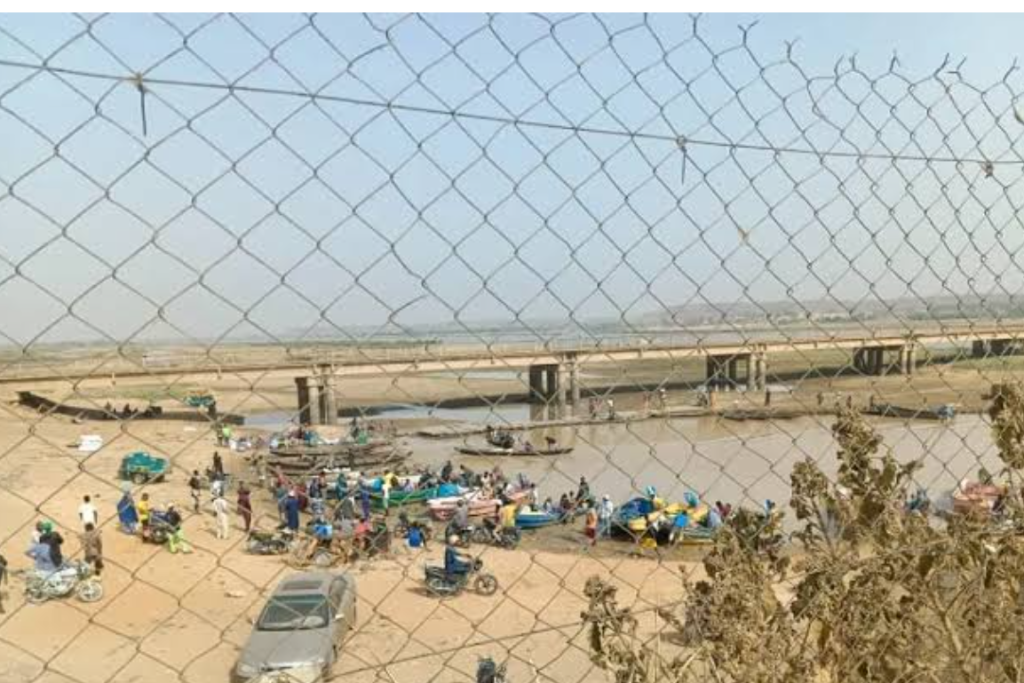
Official data from the International Monetary Fund reveals a staggering budgetary shortfall of 117 billion West African CFA francs incurred by Niger due to the prolonged closure of its borders. This financial hemorrhage exposes the severe economic strain gripping the West African region in the wake of political upheavals. Customs and tax revenues, the lifeblood of national budgets, have dwindled dramatically. By halting cross-border trade flows that traditionally connect landlocked Sahelian markets to coastal ports, military-led governments intended to assert geopolitical pressure on neighboring states and regional bodies. The outcome, however, tells a different story: public treasuries are hemorrhaging at an alarming rate. This staggering loss jeopardizes the ability of governments to fund essential public services such as education, healthcare, and critical infrastructure projects. The decision to sever trade arteries has not only undermined economic sovereignty but also triggered a cascade of fiscal crises across the Sahel.
The human cost: inflation tightens its grip on Nigerien households
The IMF’s dry economic indicators barely capture the human tragedy unfolding in markets and homes across Niger. The border closures have triggered acute shortages of staple goods, sending prices of rice, cooking oil, sugar, and cement soaring to unprecedented levels. Small traders and informal sector workers are among the hardest hit, facing collapsing revenues and mounting debts. The inflationary spiral stems from both supply chain disruptions and the exorbitant costs of alternative transport routes. As cross-border trade arteries remain severed, entire communities are stripped of their economic lifelines, pushing vulnerable populations deeper into poverty. The ripple effects of this policy extend beyond Niger’s borders, strangling regional trade networks that once sustained millions.
The security narrative: a smokescreen for economic mismanagement
In response to the deepening economic crisis, military authorities in the Sahel region have clung to a familiar narrative—one that blames external security threats or infrastructural vulnerabilities for the nation’s woes. Official justifications for border closures, such as the closure of strategic bridges or roads, are framed as patriotic acts of defense. Yet, as inflation bites and public coffers empty, the true motives behind these measures grow harder to disguise. The security argument serves as a convenient smokescreen, diverting attention from systemic economic failures and the inability of transitional governments to restore fiscal stability. By weaponizing trade restrictions under the banner of national security, authorities mask their own policy missteps. The result? A toxic business environment that stifles private investment, erodes public trust, and forces states to rely on fragile financial stopgaps.
Breaking the cycle: the urgent need for pragmatic economic revival
The hard truth is that a 117 billion FCFA deficit cannot be resolved through ideological posturing or blame-shifting. Economic recovery in the Sahel demands pragmatism: reopening trade corridors, restoring confidence in regional markets, and dismantling artificial barriers to commerce. The military-led approach of transforming borders into political trenches has weakened the very foundations of regional stability. To avert a social and economic collapse, governments must prioritize the restoration of cross-border trade flows, engage constructively with regional economic blocs, and remove bureaucratic and political hurdles that paralyze commerce. The survival of millions depends on abandoning this cycle of self-inflicted economic wounds and embracing policies that rebuild rather than isolate.