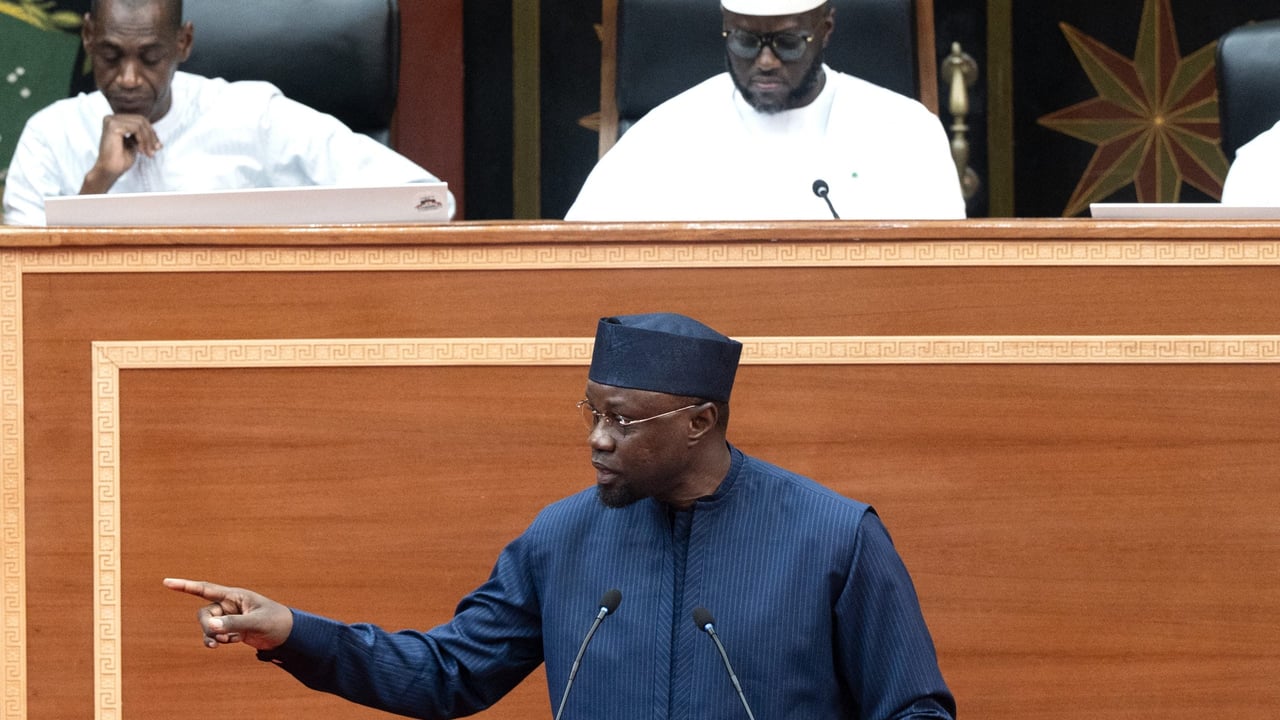
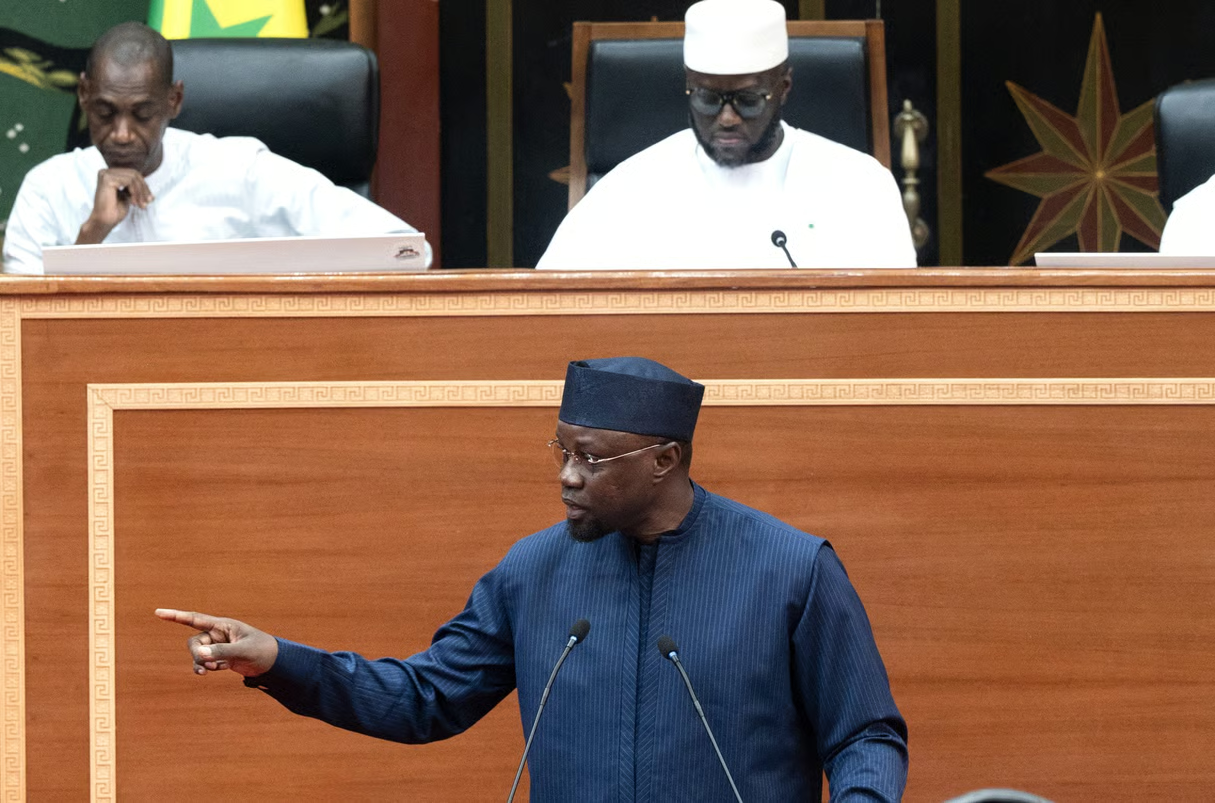
During a heated parliamentary session in Dakar, Senegal’s Prime Minister Ousmane Sonko delivered a sharp rebuke against what he described as foreign attempts to impose Western cultural values on African nations.
The remarks came as Ousmane Sonko addressed lawmakers on national sovereignty and social policies, emphasizing that Senegal will not compromise its traditional values under external pressure. He framed the issue as part of a broader geopolitical struggle, warning that certain global powers seek to reshape societal norms across Africa.
Senegal’s stance on LGBTQ+ rights
The Prime Minister’s comments underscore Senegal’s long-standing position on LGBTQ+ issues. Under Senegalese law, same-sex relations remain criminalized, with penalties including imprisonment. Public attitudes toward homosexuality are generally conservative, deeply rooted in religious and cultural traditions.
Ousmane Sonko argued that the push for LGBTQ+ rights in Africa is not driven by local demands but rather by external actors aiming to destabilize the continent’s moral fabric. He cited development aid and diplomatic leverage as tools used to advance these agendas, calling for greater vigilance among African leaders.
Reactions to Sonko’s statement
The Prime Minister’s speech has sparked mixed responses. Supporters praise his defense of national values, viewing it as a bold stand against cultural imperialism. Critics, however, argue that Senegal’s laws contribute to discrimination and violence against LGBTQ+ individuals, hindering progress in public health and human rights.
Health advocates have also raised concerns, noting that punitive laws deter marginalized groups from accessing HIV/AIDS prevention and treatment services. They stress the need for balanced policies that protect both national identity and fundamental freedoms.
Broader implications for Africa
Ousmane Sonko’s intervention reflects a growing trend among African leaders who reject what they perceive as Western interference in domestic affairs. Similar debates have emerged in neighboring countries, where governments are reassessing their relationships with international partners over issues of governance and cultural sovereignty.
The Prime Minister’s remarks signal Senegal’s determination to chart its own path, balancing global engagement with the preservation of its unique social fabric. As discussions on human rights and sovereignty continue, the nation remains at the center of a broader continental dialogue.