Senegal: diomaye faye and macky sall meeting sparks controversy
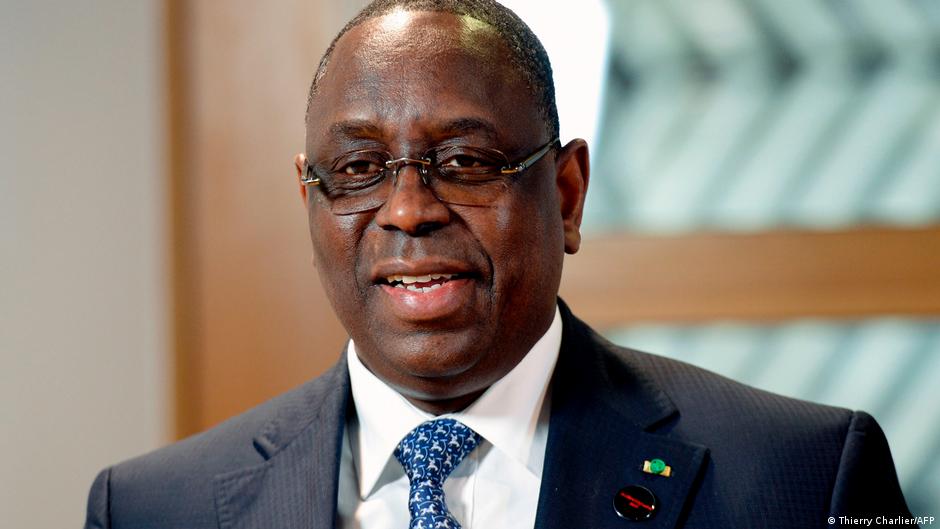
The planned encounter in Senegal between current President Bassirou Diomaye Faye and former President Macky Sall has stirred a wave of indignation. Families who suffered under political repression during Sall’s presidency are particularly vocal, condemning the timing of this visit while their quest for justice and reparations remains unfulfilled.
What fuels this controversy? And what potential ramifications could this meeting have on Senegal’s political landscape? To delve into these crucial questions, we turn to political analyst Assane Samb, who first sheds light on the broader significance of this high-profile meeting within the current Senegalese political climate.
Interview with Assane Samb
Assane Samb explained that the meeting was, in fact, anticipated, despite some public outcry. He emphasized that with Macky Sall’s candidacy for the United Nations Secretary-General position, it became essential for Senegal to formally endorse him, rather than relying solely on support from other African nations like Burundi. Samb also highlighted the crucial role played by China’s president in facilitating this context, leading to a necessary “smoothing of rough edges” between the former and current Senegalese leaders.
We asked why this particular visit is generating such intense reactions, especially from victims’ associations and segments of civil society?
Samb attributed the strong public sentiment to the turbulent period Senegal experienced between 2021 and 2024. He recalled the street clashes between protestors and security forces, suggesting that during this time, “the people were genuinely engaged in a revolutionary dynamic.”
Many organizations, including Amnesty International, assert that the former President, as the guarantor of public safety and civil liberties, including the right to protest, bears responsibility for the events. We inquired whether President Faye now faces a dilemma, balancing the state’s diplomatic necessities with the justice demands of his political base.
Samb stated that while President Faye was still part of Pastef, he was hesitant to openly endorse Macky Sall. However, now that he has “broken ties” with that constraint, he no longer feels inhibited, indicating a shift in his approach.
We then asked how Macky Sall’s bid for the UN Secretary-General position might further polarize Senegal’s political discourse.
Samb explained that the underlying calculations extend beyond the immediate concerns of victims, even those referred to as “martyrs.” He clarified that many people genuinely fear Macky Sall’s potential return to influence, driven by strategic political considerations.
Finally, we sought to understand the potential impacts of this meeting on both national reconciliation efforts and Senegal’s international image.
Samb predicted that internationally, the meeting would largely be welcomed, especially by African heads of state. Domestically, however, he anticipated a clear intensification of the political landscape’s bipolarization.