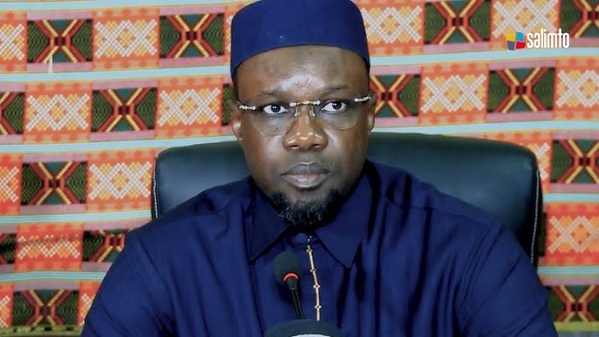
A comprehensive review of Senegal’s public infrastructure has uncovered 245 projects and assets that remain underutilized or incomplete, according to Prime Minister Ousmane Sonko. The findings, presented during a high-level interministerial council, highlight both dormant assets and critical gaps in project execution.
four categories of infrastructure bottlenecks
The inventory, compiled from data across government ministries, categorizes the identified projects into four distinct groups:
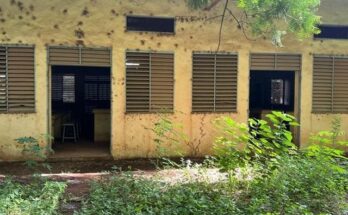
- Completed but unused assets (30 projects): Twenty-five of these face legal or administrative hurdles, with an estimated frozen investment of 279 billion CFA francs. Fifteen are classified as high priority due to their financial impact and urgency.
- Operational assets for potential reuse (23 projects): These span eight sectors and are managed by 13 entities, with an estimated combined value of 1,065 billion CFA francs.
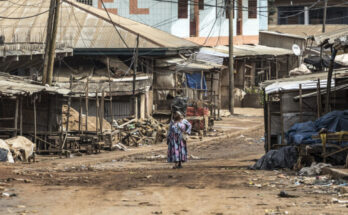
- Ongoing projects requiring completion (94 projects): Sixty-two of these are currently stalled. Their total investment stands at 5,227 billion CFA francs, with an additional 973 billion needed to finalize them.
- State-owned real estate and land for redevelopment (97 properties): Ninety-one are located in the Dakar region, with a total market value of 132 billion CFA francs. Renovation costs are estimated at 12.1 billion.
root causes behind stalled projects
Prime Minister Sonko outlined multiple factors contributing to these delays, including:
financial constraints (42 projects)
Insufficient investment credits, unpaid installments, and outright payment defaults have halted progress on nearly half of the stalled projects. These financial blockages have led to suspended construction, missing equipment, and a lack of operational budgets.
technical and coordination failures (18 projects)
Poor coordination between project owners and utility operators (water, electricity, telecommunications) has resulted in incomplete technical work. Issues include undelivered connections, missing installations, and structurally unsound buildings.
legal and administrative barriers (14 projects)
Conflicts over contracts, canceled tenders, unresolved administrative hurdles, and pending agreements or decrees have stalled these initiatives. Some projects lack formal institutional status, further delaying progress.
operational oversights (13 projects)
The most paradoxical delays involve completed or near-complete projects that have remained idle for years due to a lack of defined operational or management models.
call for urgent action and accountability
Highlighting the financial toll of these setbacks, Sonko emphasized the need for immediate reforms. He announced the establishment of a Primature-led committee to oversee and finalize the inventory process, stressing that the current findings are likely incomplete.
The Prime Minister condemned the negligence and laxity plaguing project delivery, calling for a zero-tolerance policy toward these issues. He urged ministries to proactively address technical challenges such as utility connections and to integrate operational planning from the outset of future infrastructure development.
Sonko also stressed the importance of completing the inventory, noting that many projects remain stalled due to mismatches between infrastructure and actual needs, or inadequate formal handover procedures.