Fuel price hike fears grip Senegal as global oil markets surge
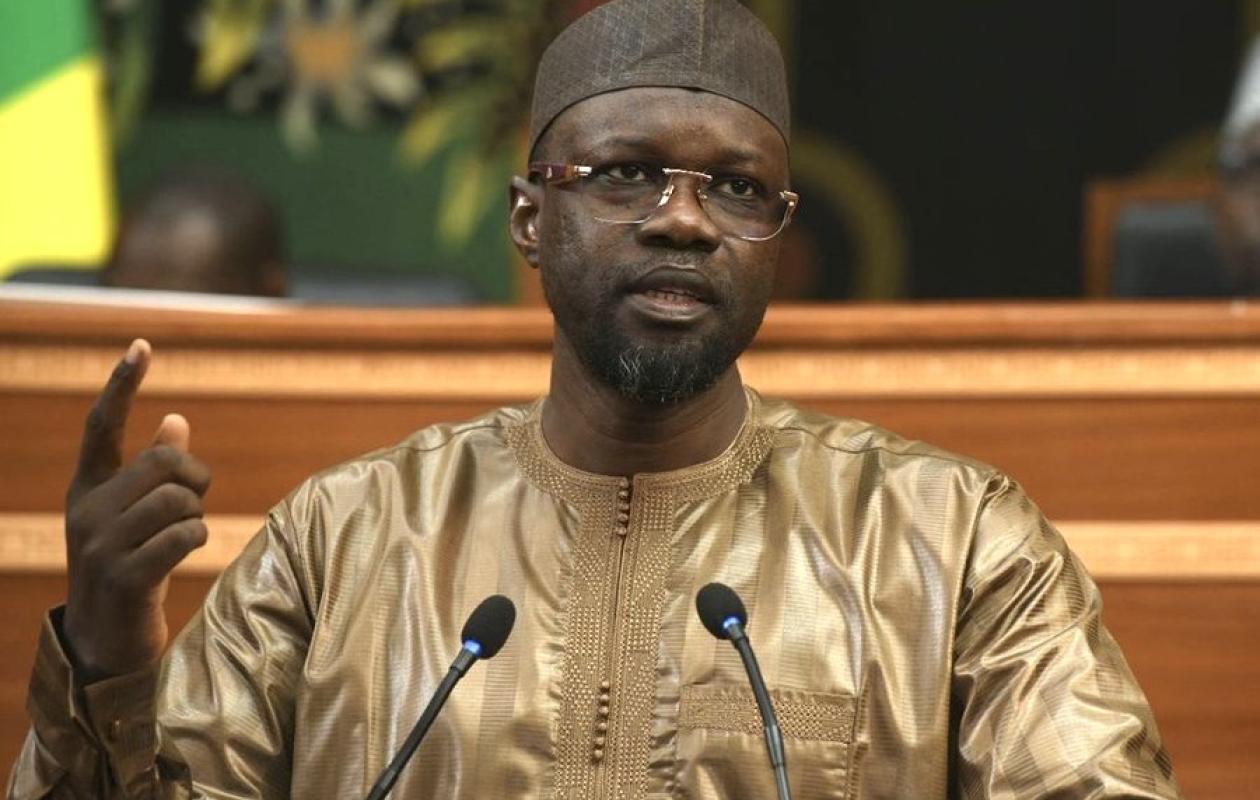
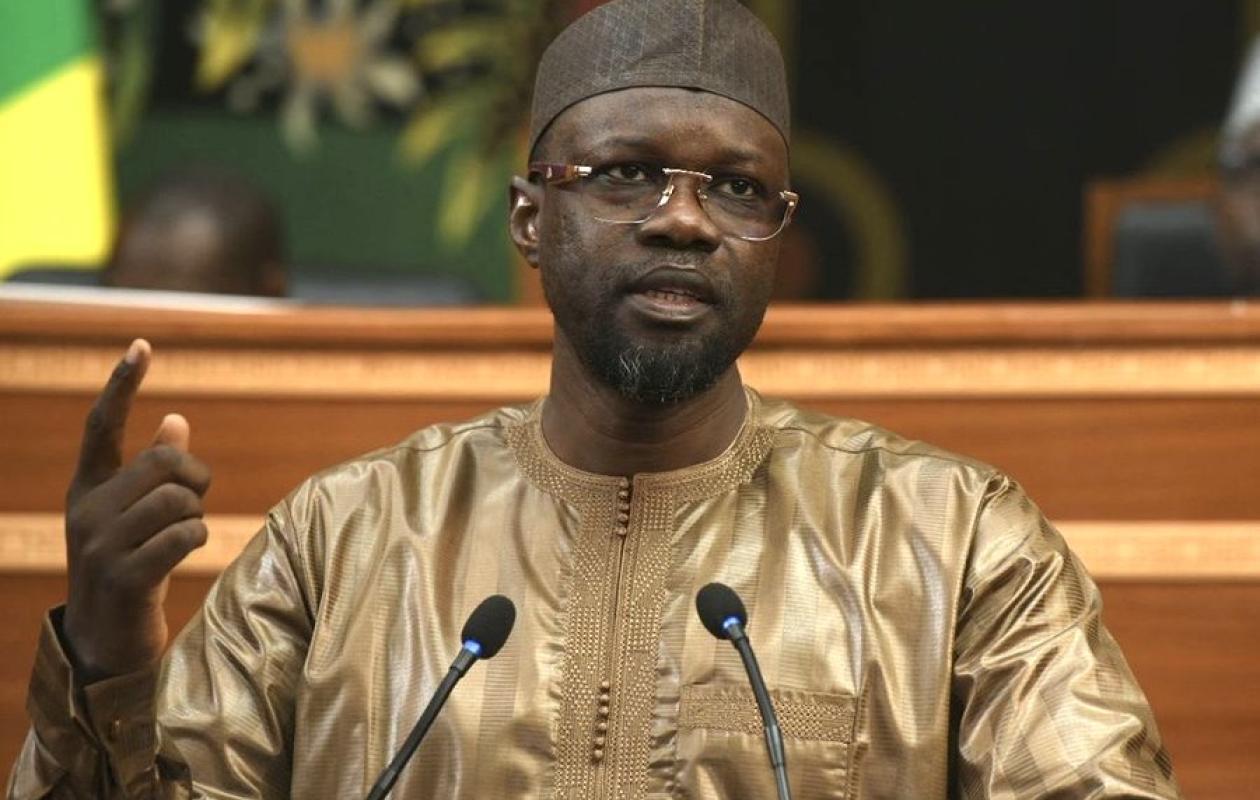
Prime Minister Ousmane Sonko has raised the alarm over potential fuel price increases in Senegal, citing mounting international pressures that could destabilize the nation’s economic landscape. Speaking to lawmakers, he warned that such a move would have far-reaching consequences on public finances and household budgets, directly impacting the purchasing power of Senegalese citizens.
The government is grappling with a volatile global oil market, driven by escalating tensions in the Middle East and a sharp rise in crude oil prices. Sonko emphasized that current budget projections, based on outdated oil price assumptions, are no longer sustainable, placing immense strain on the country’s financial stability.
Twin crises threaten economic stability
« We are navigating a dual crisis, » Sonko stated during the parliamentary session. « Many nations have already adjusted pump prices, and Senegal cannot remain unaffected. » The Prime Minister highlighted that rising fuel costs could trigger a ripple effect across the economy, particularly in logistics and transportation sectors heavily reliant on petroleum products.
Broader economic fallout looms
The surge in oil prices is expected to inflate the national energy subsidy bill to over 1,000 billion FCFA, a figure that could consume a significant portion of the state budget. Additionally, the cost of insuring vessels transporting fuel from the Gulf has surged, further complicating import logistics and driving up operational expenses.
Balancing economic realities with social imperatives
While vowing to shield citizens from the worst impacts, Sonko acknowledged the government’s limited capacity to absorb external shocks indefinitely. « Our commitment is unwavering, but prudence demands realism, » he cautioned. « No one can perform miracles under such circumstances. »
Reforms target agricultural efficiency
The Prime Minister also outlined plans to overhaul the country’s agricultural subsidy system, currently valued at around 130 billion FCFA. Identifying inefficiencies in targeting and management, he proposed redirecting funds toward mechanization and irrigation infrastructure to boost year-round productivity and reduce dependency on costly imports.