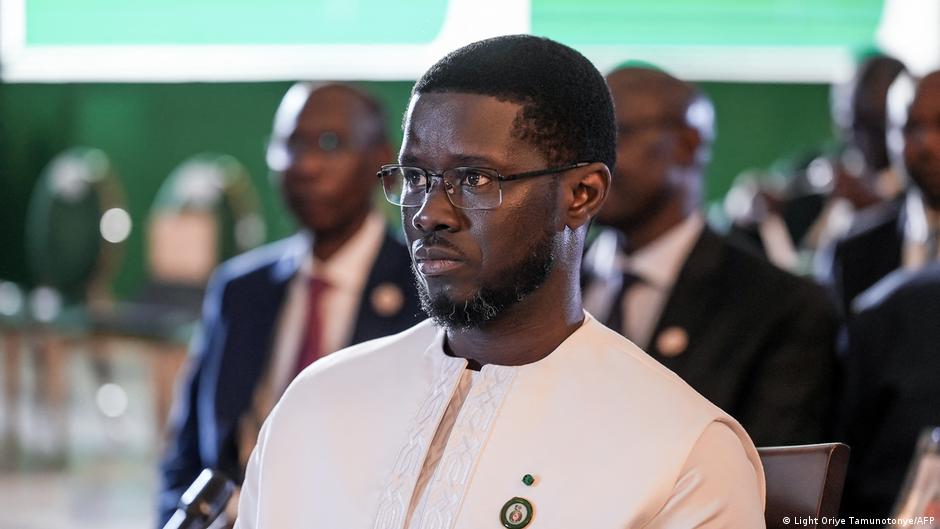
In Senegal, the Parti Démocratique Sénégalais (PDS) has officially urged its followers to reject the upcoming constitutional referendum. President Bassirou Diomaye Faye decided to put this controversial law to a public vote, allowing citizens to determine the future of the nation’s governance and whether the disputed legislation should be enacted.
The proposed changes, championed by Ousmane Sonko’s Pastef party and recently passed by the Assembly, seek to expand parliamentary authority while curtailing the powers of the presidency. By siding with the head of state, the PDS—led by the legacy of Abdoulaye Wade—is taking a stand that, while appearing sudden, has deep roots in political strategy.
The evolution of the PDS-Diomaye relationship
The PDS and Pastef were not always at odds. During the 2022 legislative elections, the two parties formed an alliance to challenge the administration of Macky Sall. This cooperation reached a turning point in March 2024 when the PDS endorsed the Ousmane Sonko and Bassirou Diomaye Faye ticket after their own candidate, Karim Wade, was barred from running. This endorsement was instrumental in expanding Diomaye Faye’s electoral reach.
While the move was framed as a defense of the rule of law against Amadou Ba, it was also a calculated response to the previous administration’s role in excluding Karim Wade. By backing the opposition duo, the PDS hoped to maintain a level of influence within the new executive branch.
A proximity born of necessity
Despite their shared victory, a lasting partnership failed to materialize. Following the election of Bassirou Diomaye Faye, the PDS was notably absent from the new government, choosing to remain independent from both Pastef and the ruling coalition.
According to local political analysts, this alignment was more about survival than shared ideology. After losing power years ago, the PDS faced a significant decline and viewed a rapprochement with the new presidency as a way to remain relevant in the political landscape. This tactical flexibility was evident when the PDS later allied with Macky Sall’s APR during the late 2024 legislative elections.
A united front against Ousmane Sonko
The growing rift between Bassirou Diomaye Faye and Ousmane Sonko has provided the PDS with a fresh opportunity to pivot. The party has thrown its weight behind the President’s decision to hold a referendum, while simultaneously campaigning for a “No” vote to block the specific reforms proposed by the Sonko camp.
In a recent statement, the PDS called on its supporters and the wider public to mobilize against the reforms, which they claim are driven by Sonko’s personal ambitions. They argue that these changes threaten the republican institutions that safeguard Senegalese democracy.
This sentiment is echoed across much of the political class, where Sonko is increasingly viewed as a radical figure whose rhetoric prevents national consensus. By opposing the reforms, the opposition is essentially signaling their rejection of Sonko’s leadership style rather than a full endorsement of the President.
President Diomaye Faye seeks new alliances
This political realignment may serve the interests of Bassirou Diomaye Faye as he faces internal pressure from Pastef. The head of state appears to be consolidating his own political base, and the support of established groups like the PDS could prove vital.
There are growing signs that the President is preparing for a future independent of Pastef. By strengthening his “Diomaye Président” coalition, he is positioning himself for a potential second term. Meanwhile, voices within Pastef have begun to speak of a “betrayal,” suggesting that the break between the President and his former party may already be permanent.