The management of Senegal’s public debt has evolved beyond mere accounting—it now sits at the heart of a political tightrope. The long-term calculations of financial markets, spanning decades, clash with the five-year electoral cycles that shape governance. This tension is at the core of Ndèye Nangho Dioum’s analysis, an inspector of taxes and land, who frames the debate as a universal challenge: leaders must make unpopular choices to secure fiscal stability.
The discussion begins with a nod to Bill Clinton’s adage, reminding us that every head of state eventually faces tough decisions, hoping for a shift in political winds. This metaphor captures the dilemma facing Senegal’s government—balancing fiscal discipline with the high expectations of a population that demands tangible improvements in living standards.
Political timelines that shape budgetary decisions
The concept of political timing, rooted in James M. Buchanan’s public choice theory, reveals a structural flaw in representative democracies. Leaders often favor policies with immediate benefits, postponing costs beyond their term. This pattern fuels debt accumulation, even in advanced economies.
In Senegal, this dynamic has intensified since a 2024 audit exposed a higher-than-reported debt load. The revised figures strained relations with multilateral partners, including the International Monetary Fund (IMF), and weakened the country’s sovereign credit rating. Restoring fiscal transparency is now essential—but at a steep political cost.
The impossible trade-off between orthodoxy and legitimacy
Cutting deficits requires unpopular moves: slashing energy subsidies, trimming the public wage bill, expanding the tax base, or raising utility tariffs. Each decision creates immediate losers, while the benefits—debt sustainability and fiscal flexibility—only materialize over time. The author highlights this time asymmetry as the biggest hurdle to structural reforms.
Senegal’s case also reflects a unique constraint of the Franc Zone. Pegged to the euro, the CFA franc strips authorities of monetary tools to absorb shocks. Adjustments must rely solely on fiscal policy, amplifying the social impact of every spending cut. In practice, budgetary choices directly affect households, with no monetary cushion to soften the blow.
Rebuilding trust in Senegal’s financial credibility
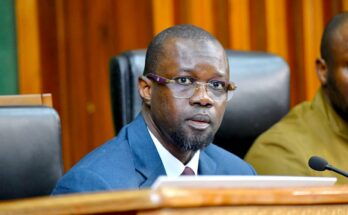
Since assuming office in April 2024, President Bassirou Diomaye Faye and Prime Minister Ousmane Sonko have pledged an economic reset, anchored in a discourse of transformation. Regaining credibility with global investors and international donors is a stated priority. Yet the recent surge in spreads on Senegal’s eurobonds signals lingering skepticism—risk premiums remain stubbornly high.
Domestic revenue mobilization is another critical lever. The tax administration, where the author works, plays a pivotal role in securing receipts by curbing exemptions and combating evasion. While this is largely a technical challenge, it demands unwavering political backing, as it challenges entrenched interests.
The deeper lesson? True political maturity lies in embracing short-term hardship to safeguard the future. As West African nations renegotiate debt or teeter on liquidity crunches, Senegal’s fiscal discipline—when communicated clearly—can become a political asset rather than a liability.