As Senegal grapples with mounting debt challenges, political shifts within the government have sparked fresh debates about the nation’s economic strategy. The departure of Ousmane Sonko from his role has intensified speculation over whether Dakar will pursue a new program with the International Monetary Fund (IMF) to stabilize its finances.

Economic pressures mount as debt levels rise
Senegal’s debt burden has become a pressing concern, with government revenues strained by external obligations and infrastructure demands. Analysts warn that without decisive action, the country risks further financial instability. The IMF’s involvement could offer a structured path to restructuring debt and securing fiscal sustainability.
Political changes fuel speculation about IMF engagement
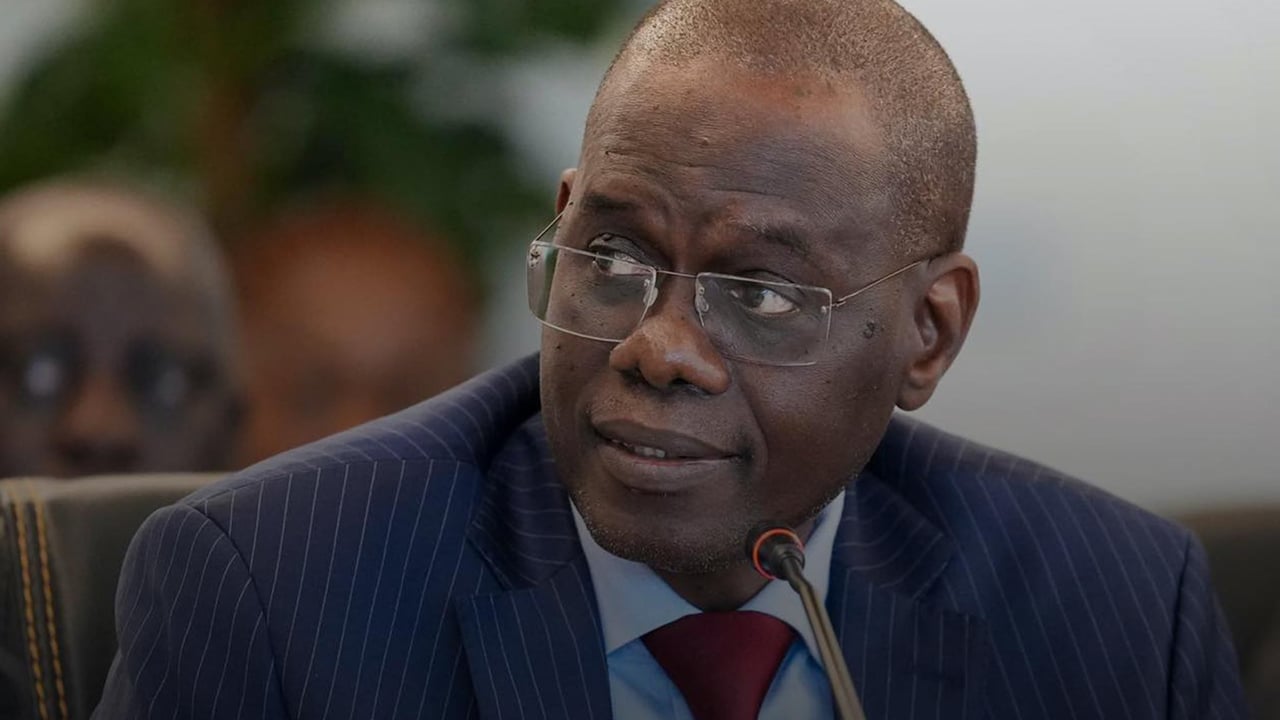
The exit of Ousmane Sonko—a vocal critic of international financial institutions—has left a leadership void that could reshape Dakar’s approach to economic reform. His departure raises questions about the government’s willingness to collaborate with the IMF, particularly as public spending pressures increase.
Prime Minister Al Aminou Lô now faces the challenge of balancing political priorities with economic necessity. The IMF’s guidance, long viewed as a lifeline for struggling economies, may now be reconsidered in light of shifting domestic dynamics.
A shifting landscape for Senegal’s economic policies
Under President Bassirou Diomaye Faye’s administration, Senegal’s economic trajectory has been a topic of intense discussion. The potential for an IMF program could signal a pragmatic shift, offering loans and technical support in exchange for structural reforms. However, such moves often come with political costs, as austerity measures can spark public discontent.
What’s next for Senegal’s debt negotiations?
The IMF’s Managing Director, Kristalina Georgieva, has previously emphasized the need for African nations to pursue sustainable borrowing practices. Her recent statements suggest that Dakar could explore a program aligned with global best practices, provided political will aligns with economic realities.
For now, the path forward remains uncertain. Will Senegal embrace IMF assistance to ease its debt burden, or will domestic resistance derail negotiations? The coming months will be critical in determining the country’s financial future.