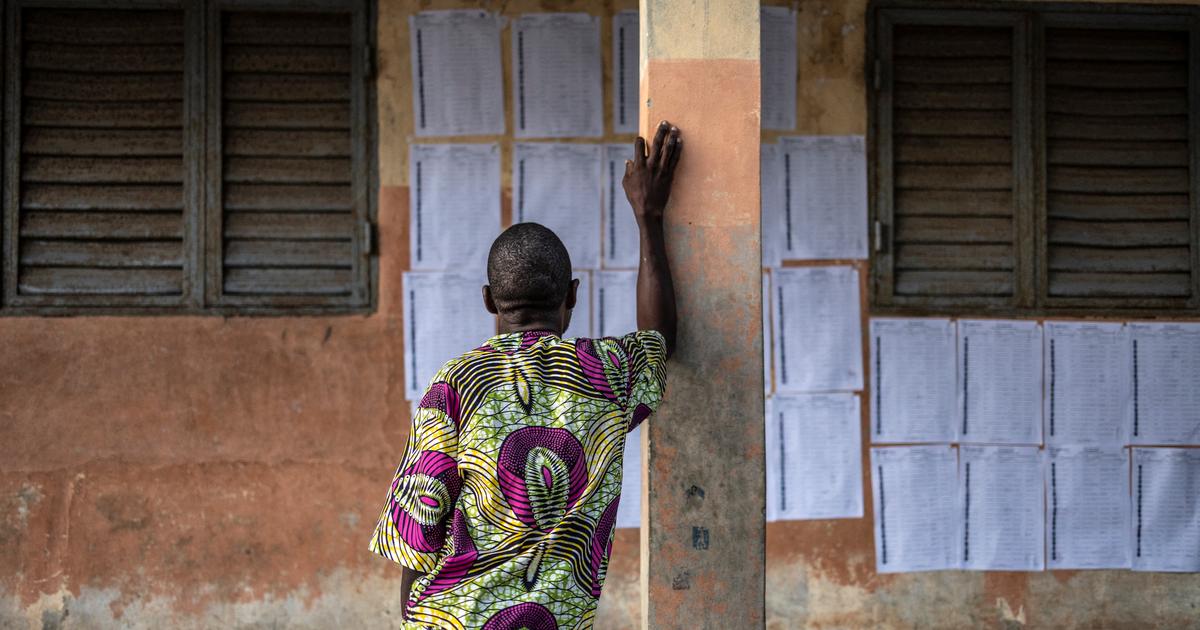
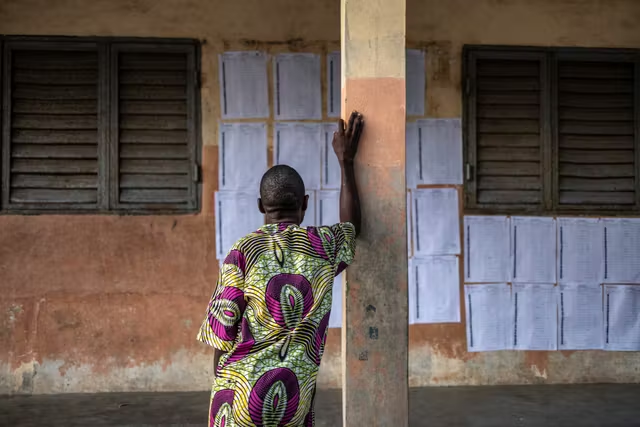
Scrutin after scrutin, African elections in 2025 have been unfolding with predictable outcomes where opposition candidates rarely stand a chance. The pattern was starkly visible in recent polls in Djibouti on April 10 and Benin on April 12, where incumbent leaders secured overwhelming victories—Ismaïl Omar Guelleh with 97.8% in Djibouti and Romuald Wadagni with 94% in Benin. These landslide wins occurred in contests where genuine competition barely existed.
In Djibouti, opposition figure Alexis Mohamed withdrew from the race, citing not only security concerns but also the crippling financial barriers imposed by candidacy fees. “The cost of running is prohibitive,” he stated, describing how the system systematically favors incumbents and marginalizes challengers. Observers now describe these elections as “ceremonial exercises”, where the outcome is predetermined long before ballots are cast.
How exorbitant fees tilt the scales
This trend is not isolated. Across Africa, presidential hopefuls face prohibitive nomination fees that often exceed millions in local currency, effectively locking out all but the wealthiest or most entrenched political figures. In many cases, these fees are set at levels that make campaigning financially impossible for opposition candidates, while ruling party candidates benefit from state resources.
The phenomenon has sparked criticism from governance watchdogs who argue that such practices undermine democratic principles. “When the price of entry becomes a barrier to participation, elections lose their legitimacy,” noted one analyst. The issue extends beyond Djibouti and Benin, with similar patterns observed in other African nations where opposition participation has dwindled due to economic exclusion.