A contested commission delivers its verdict
Six months after the presidential election on October 29, 2025, a government-appointed commission of inquiry broke its silence in Dar es Salaam on Thursday, April 23. The official report on the post-electoral unrest has concluded that 518 people were killed, a figure authorities hope will close a dark chapter. However, the announcement has been met with a fierce backlash from opposition parties and NGOs, who have condemned what they call a ‘discounted death toll’.
The commission, established by the executive branch, presented its findings on the bloody events that shook Tanzania late last year in a tense atmosphere. According to the report, clashes between demonstrators and security forces, combined with inter-communal violence, resulted in 518 fatalities.
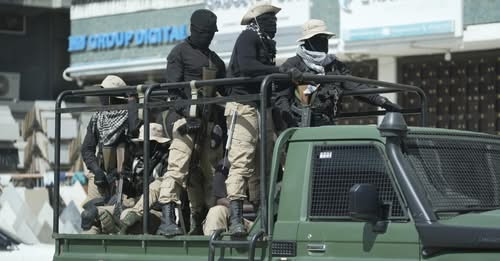
While the government is acknowledging the scale of the tragedy for the first time, it maintains that most of these deaths were the result of ‘uncontrolled escalations’ during unauthorized protests. The report also assigns blame to certain public figures for exacerbating the tensions.
An abyssal fracture between the figures
The number of 518 deaths, though tragic, is far from being universally accepted. Immediately following the document’s release, dissenting voices rose up to decry what they perceive as manipulation.
- The opposition’s position: For the main dissenting parties, the reality is significantly grimmer. They continue to assert that the victims number in the thousands and highlight cases of forced disappearances that the official report fails to mention.
- Human rights organizations: Citing satellite imagery and on-the-ground testimonies, several international NGOs argue that the repression was ‘systematic and planned’, directly contradicting the narrative of ‘isolated blunders’ promoted by Dar es Salaam.
A denial of reality?
The debate over the minimization of the crackdown has now moved to the forefront of national discourse. By presenting a death toll considerably lower than independent estimates, the government appears to be attempting a delicate balancing act: acknowledging a degree of responsibility to placate the international community while simultaneously avoiding potential prosecution for crimes against humanity in international courts.
“This report is not aimed at truth; it is aimed at the diplomatic rehabilitation of the regime,” stated a leader of a local civil society organization, who spoke on the condition of anonymity.
What future for reconciliation?
Does the release of this report signal the beginning of a healing process or the start of a new crisis? Across Tanzania, the demand for an independent international investigation is growing louder.
Many observers believe that as long as ambiguities surrounding the actual number of casualties and the identity of those who gave the orders persist, the spectre of the 2025 violence will continue to haunt Tanzanian politics. The nation now confronts a shattered reflection, with each side refusing to accept the other’s version of events.