Togo’s evolving Sahel strategy for regional security

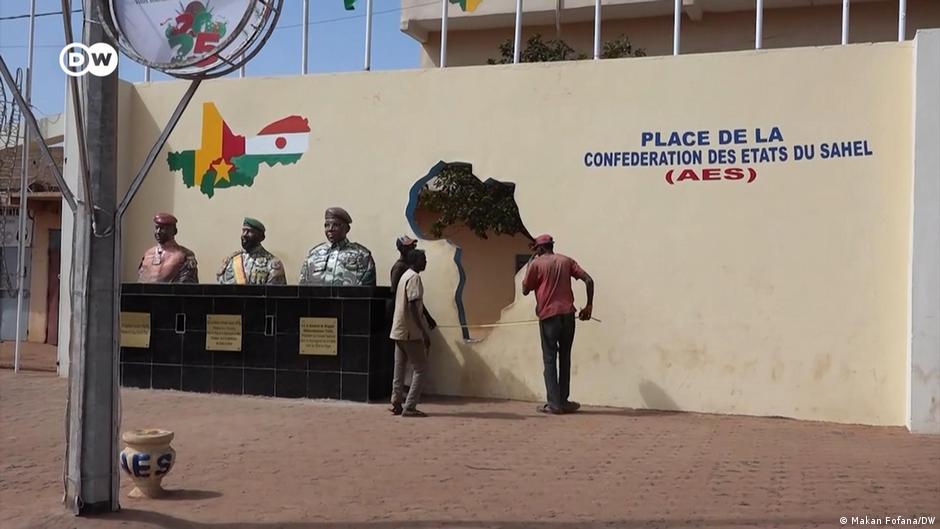
The Togo has positioned itself as a potential bridge between military-led governments in the Sahel region—specifically the Mali, Niger, and Burkina Faso—and the international community. This strategic pivot comes as Lomé unveils a second phase of its Sahel policy aimed at addressing escalating jihadist violence threatening regional stability.
According to Robert Dussey, Togo’s Minister of Foreign Affairs, the updated strategy is not just timely but essential. The Sahel has become a hotspot for terrorism, posing a direct risk to the entire West African subregion. Dussey emphasized that the new approach reflects both necessity and opportunity to strengthen security collaboration.
Three pillars underpinning Togo’s Sahel security strategy
The Togolese diplomatic initiative is structured around three core priorities:
- Strengthening regional partnerships: Building on existing alliances to enhance collective peacekeeping and stability efforts across the Sahel.
- Mediation and peace facilitation: Taking a proactive role in creating conditions conducive to long-term stability and conflict resolution.
- Supporting political normalization: Assisting military-led governments in transitioning toward inclusive, democratic governance after civilian-led administrations were overthrown.

Mixed security outcomes spark debate
Jean Emmanuel Gnagnon, a governance and crisis management expert at the University of Lomé, acknowledges progress:
“Togo has managed to prevent armed groups from advancing southward and avoided the permanent establishment of terrorist networks on its soil. It has also bolstered its security presence across the subregion. Compared to neighboring countries, the spillover effect in Togo has been limited—an indicator of relative effectiveness.”
However, he cautions that earlier phases did not resolve the crisis but did provide critical time to build capacity and avert disaster.
Not all voices are as optimistic. Madji Diabakaté, a political scientist, offers a more critical perspective:
“The Togolese diplomatic push in the Sahel resembles the classic fable of the frog trying to match the ox in size and strength. The core issues—security and democratic restoration—remain unresolved despite recent coups. Togo’s involvement has arguably weakened the ECOWAS by aligning with states that triggered the crisis.”
Public sentiment in Togo is similarly divided. While some citizens praise the government’s regional engagement, others argue that domestic political stability should take precedence before extending support to neighboring nations.
Dussey maintains that Togo maintains “constructive relationships with regional and international partners, prioritizing shared interests.”