An “empire of drug trafficking in the Central African Republic” is taking shape. The Russian paramilitary group Wagner has skillfully leveraged its operations in this landlocked nation, where the tramadol trade has breathed new life into its activities.
The prescription painkiller, typically used for mild conditions, is being repackaged and concentrated to dangerous levels in Central Africa. This transformation turns it into a highly potent opioid, often described as the “poor man’s cocaine.”
Wagner’s resilience amid challenges
Despite the reported decline of Wagner following the death of its founder, oligarch Yevgeny Prigojine, in 2023, the group’s influence in the Central African Republic remains unshaken. Russia’s Africa Corps, under the country’s Defense Ministry, has been expanding its footprint across Africa, but Wagner’s operations in Bangui continue to thrive.
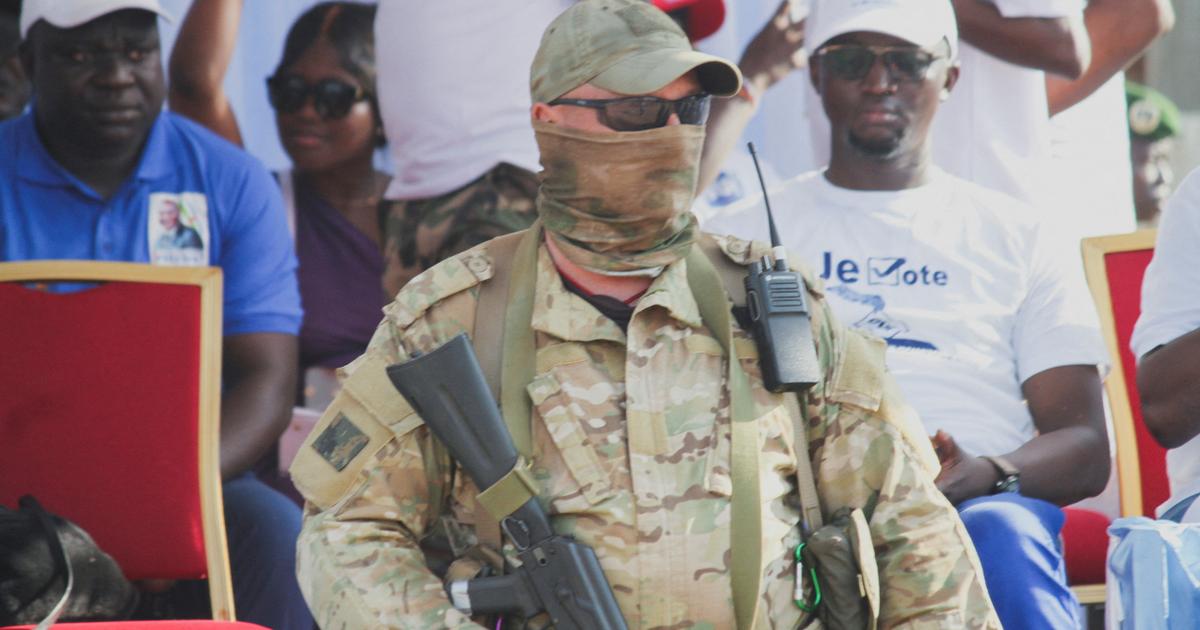
With approximately 500 fighters deployed since 2018, Wagner is now led by Prigojine’s son, Pavel. The group’s presence is further entrenched through its control over key sectors, including gold mining in areas under its influence.
Resource exploitation and state control
The Central African Republic’s strategic vulnerabilities—minimal scrutiny from Western governments, abundant mineral resources (gold, diamonds, uranium), and vast forested areas—make it an ideal environment for Wagner’s expansion. Reports estimate Wagner’s illicit gold exports alone generate $180 million (about €160 million) annually, according to the Global Initiative against Transnational Organized Crime.
The group’s influence extends beyond mining. Wagner is accused of “state capture,” consolidating control over security forces and government institutions. Its financial gains are further bolstered by the tramadol trade, smuggled via river routes from the Democratic Republic of the Congo and distributed across Central Africa, including neighboring countries, at inflated prices.
Tramadol as a tool of influence and control
Wagner’s distribution network for tramadol is extensive. The drug is supplied to elite presidential guards, pro-Russian youth militias known as the “Requins”—who conduct armed patrols around the capital and target opposition supporters—as well as gold miners working for Wagner and combatants involved in counterinsurgency operations. The use of tramadol is encouraged to “enhance combat performance,” according to observers.
Experts warn that Wagner’s activities in the Central African Republic could serve as a blueprint for its expansion into neighboring Sudan, particularly through collaborations with the Rapid Support Forces (RSF), whose operations increasingly overlap with Central African territories.