Behind the attack: unpacking the dynamics of a deadly ambush in central Mali
On 28 September 2026, a convoy of Russian paramilitaries from Africa Corps found itself in the crosshairs of an armed assault claimed by the Group for the Support of Islam and Muslims (JNIM) north of Niono. The incident left both human and material losses within the Russian contingent, but the real story lies beneath the surface of yet another deadly clash in central Mali.
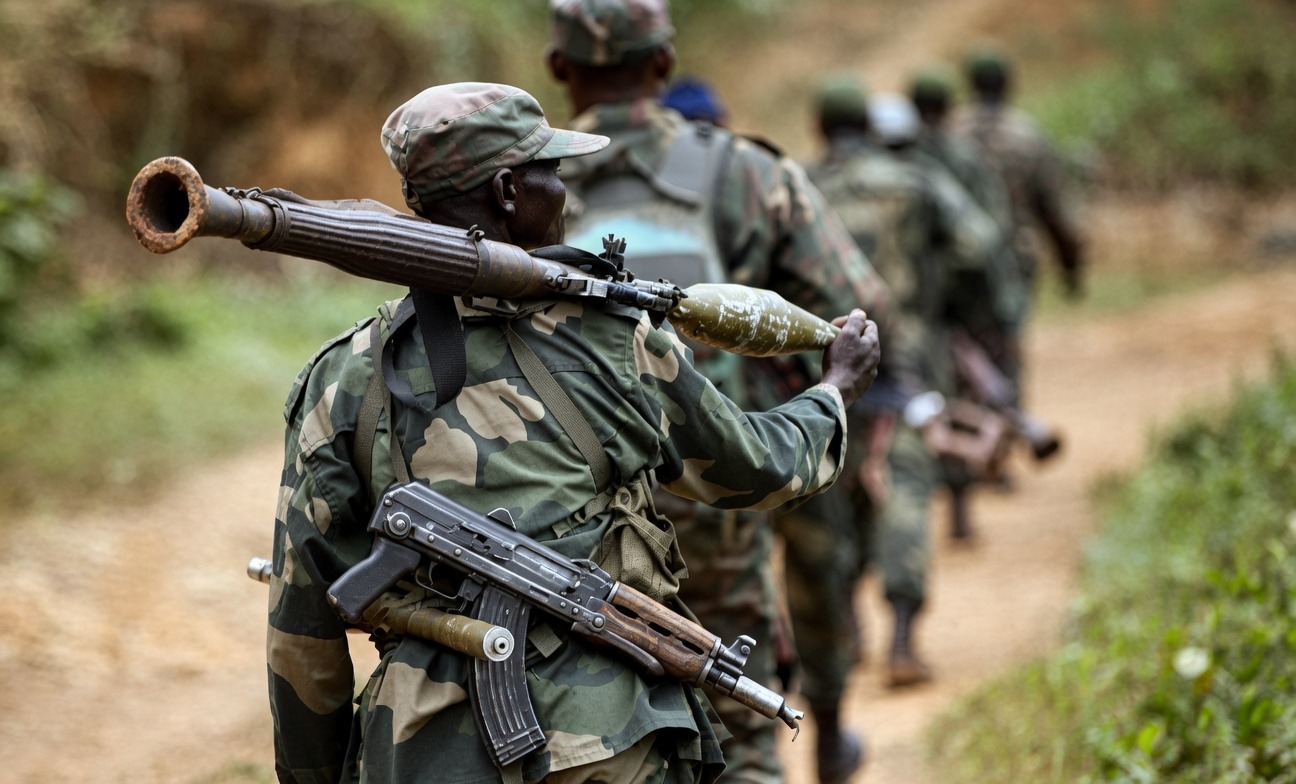
The security situation in the region remains tense. Late that Monday morning, a military column carrying personnel from Africa Corps — the paramilitary structure that replaced Wagner on the Sahelian stage — was ambushed between the towns of Tiemaba and Wewo, north of Niono in the Ségou region. What makes this attack particularly significant is not just the outcome, but what it reveals about the broader dynamics at play.
A region long under the influence of Katiba Macina
The Niono area has for years been recognised as a stronghold of Katiba Macina, a key component of JNIM, the jihadist alliance affiliated with Al-Qaeda in the Islamic Maghreb (AQMI). Understanding the roots of this attack requires acknowledging that this is not a random strike — it is part of a sustained campaign in a region where militant groups have deep operational knowledge and local ties.
Local and security sources indicate that the targeted convoy was composed almost entirely of Russian fighters. This configuration stands out from the usual patrols seen in the field, where Africa Corps units typically operate alongside Malian Armed Forces (FAMA). The decision to deploy a predominantly Russian column raises questions about the evolving tactics and the underlying reasons for such a shift.
Casualty claims and the propaganda battle
In a statement released shortly after the assault, JNIM claimed responsibility, asserting that it had killed or wounded at least seven members of the Russian contingent and seized a significant quantity of military equipment before withdrawing. Local sources in the area, however, reported at least four Russian fighters killed in the clashes. The discrepancy in figures is typical of such incidents, where both sides have incentives to shape the narrative — JNIM to project strength, and Russian forces to downplay losses.
Neither the Malian General Staff nor Africa Corps officials have issued an official toll for this specific incident. The Malian army did announce the following day that it had conducted several targeted airstrikes in neighbouring areas, particularly near Dioura, against identified terrorist positions. These retaliatory strikes suggest a broader effort to contain the fallout and reassert control, but they also highlight the persistent challenge of addressing the root causes of such attacks.
What lies behind the ambush: context and implications
The Niono ambush is more than a single event; it reflects deeper fractures in Mali’s security architecture. The fact that a Russian-only convoy was targeted suggests that JNIM is adapting its tactics to exploit perceived vulnerabilities, possibly aiming to drive a wedge between Russian forces and their Malian counterparts. It also underscores the limitations of a purely military approach in a region where local dynamics, historical grievances, and community relationships play a crucial role.
Furthermore, the attack raises questions about the effectiveness of Africa Corps’ strategy in the Sahel. If Russian forces are increasingly operating in isolated units, they may become more susceptible to ambushes, especially in areas where militant groups have established intelligence networks. The incident could prompt a reassessment of deployment patterns, but it may also lead to more aggressive operations that risk further alienating local populations.
Ultimately, the ambush near Niono serves as a stark reminder that the conflict in central Mali is far from over. It is a complex, multi-layered struggle where military power alone cannot guarantee success. Without addressing the underlying socio-economic and political factors that fuel extremism, such attacks are likely to continue — and the consequences will be felt not only by security forces but by the civilians caught in the crossfire.