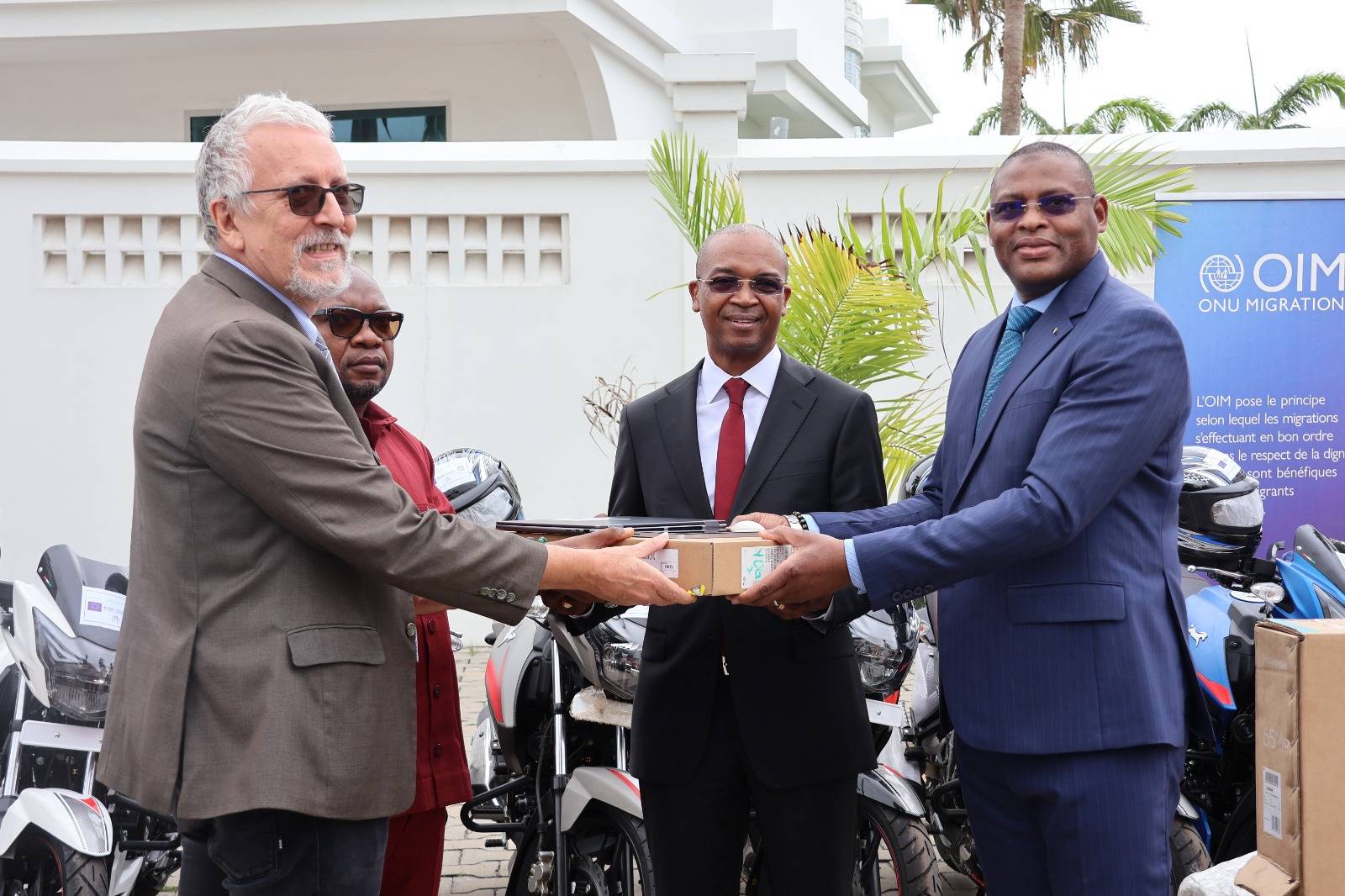
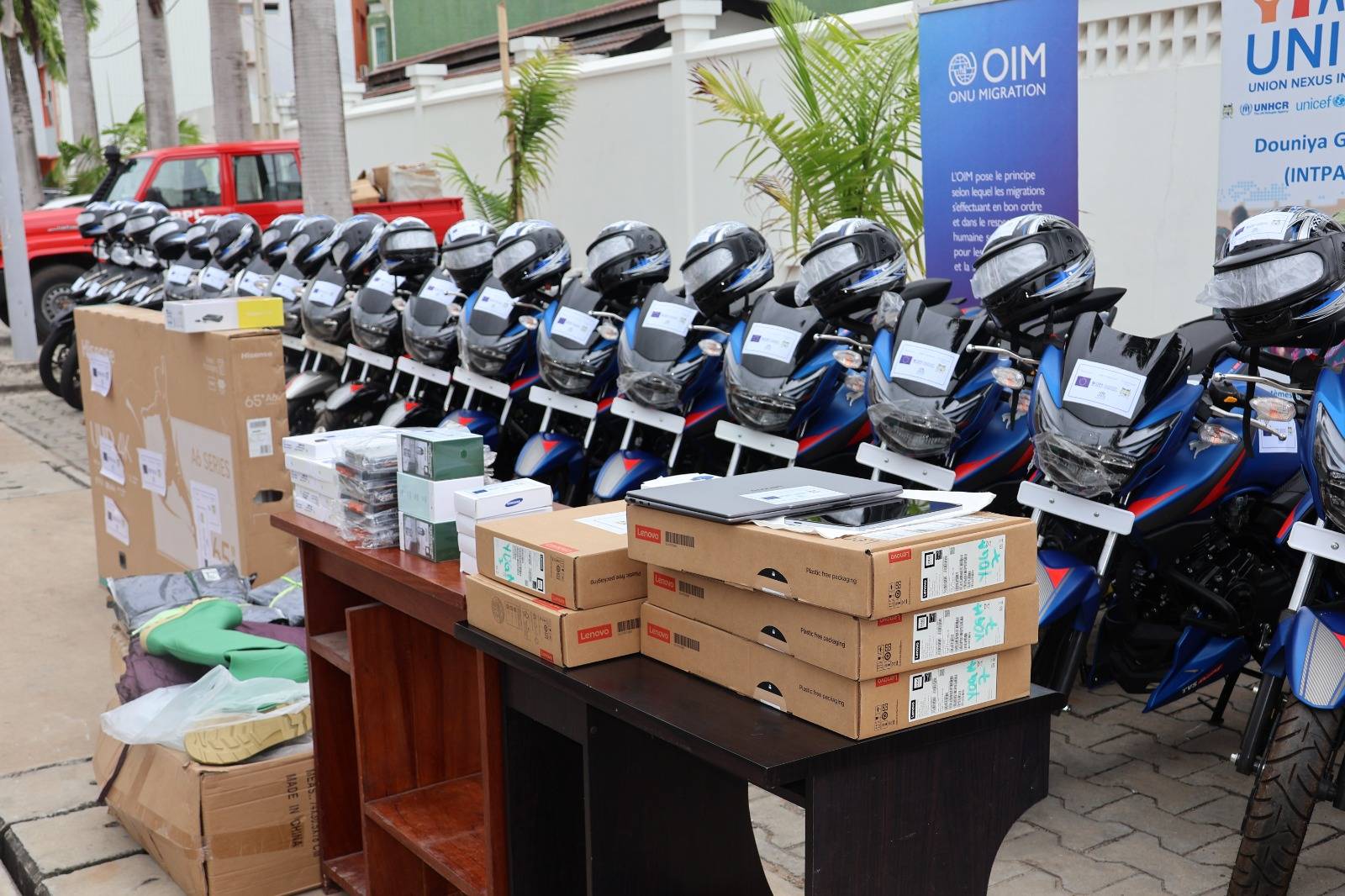
On Tuesday, September 22, 2026, the Beninese Civil Protection Agency (ABPC) took a decisive step toward modernizing its operational toolkit. During an official ceremony held at the Ministry of Interior and Public Security in Cotonou, the agency received a substantial consignment of vehicles, computer equipment, and logistics accessories financed by the International Organization for Migration (IOM). The strategic support aims to strengthen crisis management, protect vulnerable communities, and bolster border security.
With climate shocks intensifying, migration flows growing more complex, and security threats mounting across West Africa, the speed of emergency services has become a cornerstone of national stability. This handover in Cotonou marks another milestone in the partnership between the Beninese government and its international allies—a proactive approach to a pressing question: can the country’s rescue brigades react fast enough when disaster strikes?
A partnership built on community resilience
The ceremony, marked by formality and purpose, brought together senior civil security officials and diplomatic representatives. It was presided over by Djibril Mama Cissé, Minister Delegate in charge of Interior and Public Security. He was flanked by Étienne Banga, head of the IOM office in Benin, and the head of cooperation at the European Union Delegation in Cotonou.
This equipment delivery is far from a symbolic gesture. It reflects a shared determination to sustain operational response on the ground. The IOM, a long-standing partner of Beninese authorities, draws on financial backing from the European Union to support the restructuring and scaling up of the ABPC.
Strategic gear for faster intervention
The received materials address needs identified during recent assessments of the civil protection agency’s deployment capacity. The consignment includes:
- Mobility assets: off-road vehicles and machinery suited to hard-to-reach areas, essential for keeping teams mobile during floods or humanitarian emergencies in remote regions.
- IT and communication equipment: laptops, data servers, and secure communication tools designed to optimize real-time information gathering and risk mapping.
- Rescue and intervention accessories: first-aid kits, marking equipment, and various personal protective gear to ensure agent safety during missions.
By strengthening both the vehicle fleet and digital logistics, this donation helps shorten the reaction time of intervention brigades while improving coordination from the central command center down to the departments.
Border management and protection of vulnerable people
In his address, Étienne Banga, head of the IOM office in Cotonou, highlighted the close links between human mobility, disaster management, and security:
“Civil protection is not limited to managing natural disasters; it is at the heart of humanitarian assistance at borders and the preservation of social cohesion. Giving the ABPC the means to act means guaranteeing dignified and effective assistance to people on the move as well as to host communities.”
Border areas, often exposed to multiple risks—whether security pressures or socio-economic vulnerabilities—will be among the first to benefit from these new resources. The IT equipment will help refine statistical tracking of flows and modernize the early warning system to prevent humanitarian crises before they erupt.
The Beninese government’s renewed commitment
Taking the floor, Minister Delegate Djibril Mama Cissé expressed the nation’s deep gratitude to the IOM and the European Union for their unwavering support. He stressed that the ceremony aligns fully with the government’s vision to modernize the internal security sector and strengthen national resilience.
The minister urged ABPC managers and agents to use the provided materials rigorously and meticulously. For the Beninese executive, every investment in civil protection translates directly into lives saved and property preserved during emergencies.
Toward a modern, proactive civil protection force
The Beninese Civil Protection Agency, a pillar of risk and disaster management in Benin, is entering a new phase on its path to operational autonomy. With these new tools, the agency is better equipped to anticipate emergencies, train its personnel, and intervene swiftly across the entire national territory.
In a sub-regional context defined by interconnected climate and security challenges, this capacity building signals Benin’s and its partners’ firm resolve to offer a safer, more resilient living environment for the entire population.