Senegal is preparing to place a high-stakes bet on its edible oil future. For years, the country’s oil palm sector has been trapped below 12,000 hectares, but a new partnership with Indonesia—the undisputed global leader in palm oil—could finally deliver the breakthrough Dakar has been chasing.
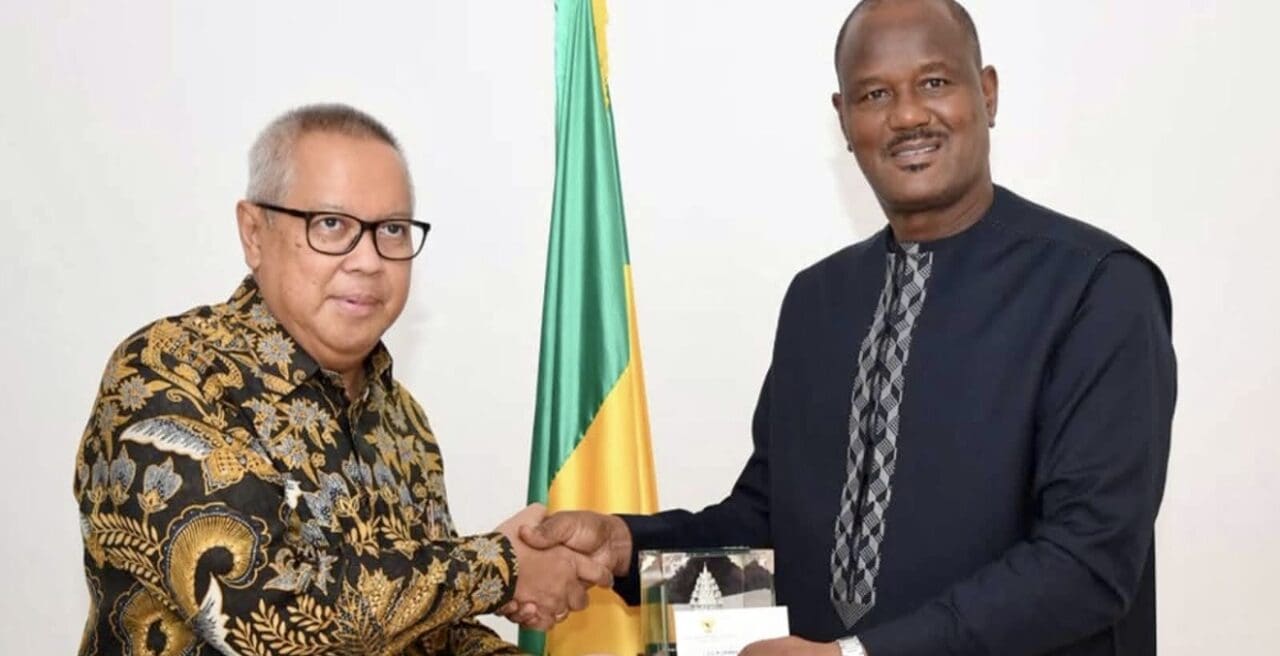
At a low-key meeting held on September 11 in Dakar, the contours of a plan that could reshape a sector stagnant for a decade were quietly laid out. Facing Indonesia’s ambassador, Senegal’s Ministry of Agriculture, Food Sovereignty and Livestock (MASAE) presented an ambitious proposal: develop 60,000 hectares of oil palm plantations across the central and southern regions of the country. That would multiply the currently cultivated area fivefold.
Both sides are now working to establish a joint technical working group to steer the project forward. On the sensitive questions of timelines and financing, Senegalese officials have so far remained tight-lipped.
A sector crippled by ten years of inertia
The scale of the challenge matches the depth of the backlog. Data compiled by the FAO paints a stark picture: between 2015 and 2024, the area devoted to oil palm cultivation in Senegal never exceeded 12,000 hectares, hovering around 11,800 hectares. This stagnation inevitably dragged down industrial palm oil production, which also remained stuck at roughly 14,000 tonnes over the period.
The consequence: to meet unwavering domestic demand, Senegal has had no choice but to open its import taps wide. An average of 148,100 tonnes of palm oil was purchased abroad each year between 2015 and 2024—peaking at 195,937 tonnes in 2017—with an annual bill averaging nearly $108 million, soaring to $172 million in 2020. This costly dependency is precisely what Dakar now aims to tackle as part of its food sovereignty strategy.
Why Indonesia is the ideal heavyweight partner
Choosing Indonesia was no accident. With production estimated at 46.7 million tonnes for the 2025/2026 season, according to the US Department of Agriculture (USDA), the Asian archipelago sits unchallenged at the top of global palm oil production—and also leads the world in exports. That dominance was built on decades of expertise in varietal selection, plantation management, and industrial processing.
For Dakar, the stakes go beyond merely expanding cultivated land: the goal is to tap into that know-how through technology transfer and local capacity building, a prerequisite for building a truly productive and better-structured industry.
A model already tested elsewhere on the continent
Senegal is not breaking new ground—other African nations have already forged similar partnerships with Jakarta. In Tanzania, authorities signed a cooperation agreement in 2025 with the Indonesian Palm Oil Association (GAPKI), covering training, technical support, and skills transfer. In Nigeria, Africa’s largest palm oil producer, a 2024 memorandum of understanding between local producers and GAPKI pursues the same objectives: sharing knowledge and technology to boost productivity.
The question now is whether Dakar can turn this opportunity into success where others have only laid the groundwork.