African mediation in eastern DRC strengthens coordination for lasting peace
- Security
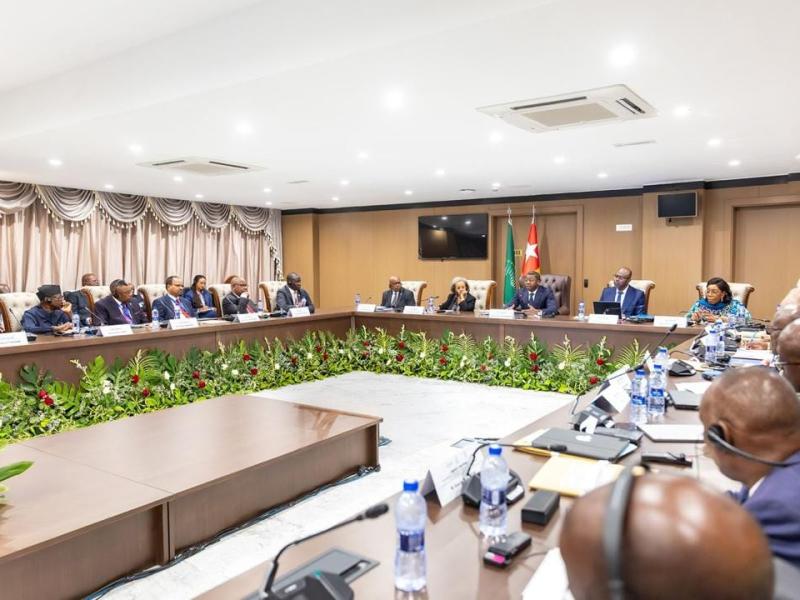
The African mediation process for peace in eastern Democratic Republic of Congo (DRC) has taken a decisive step forward with strengthened coordination mechanisms. This progress emerged from a technical evaluation meeting held in Lomé on June 7-8, 2026, under the leadership of Faure Essozimna Gnassingbé, President of the Togolese Council and African Union mediator for the DRC and Great Lakes crisis.
Structured coordination for enhanced peace efforts
The two-day session, following an initial ministerial meeting chaired by Togolese Cooperation Minister Yackoley Johnson, brought together key regional and international stakeholders. Participants included members of the AU Facilitators’ College, representatives from the United Nations, East African Community, Economic Community of Central African States, Southern African Development Community, International Conference on the Great Lakes Region and International Committee of the Red Cross.
According to Togolese presidency sources, President Gnassingbé highlighted the importance of this gathering as a testament to the ongoing commitment of all parties to peace, stability and development in the Great Lakes region. The mediator emphasized that significant progress has been made since January’s Lomé meeting, which focused on harmonizing and consolidating various peace initiatives in the DRC and Great Lakes area.
“We have made substantial progress since January in bringing greater order to the architecture of African mediation. This meeting represents a significant milestone in improving our collective action and finding sustainable solutions to this crisis,” stated the AU Mediator.
Toward a unified peace strategy
The enhanced coordination framework, presented during the January 2026 Lomé high-level meeting, establishes a clear division of responsibilities among five former African heads of state as co-facilitators:
- Olusegun Obasanjo (Nigeria): Military and security issues
- Sahle-Work Zewde (Ethiopia): Humanitarian concerns
- Uhuru Kenyatta (Kenya): Dialogue with local armed groups
- Mokgweetsi Masisi (Botswana): Regional economic cooperation
- Catherine Samba-Panza (Central African Republic): Civil society, reconciliation and gender issues
This structure is supported by an independent joint secretariat comprising Togo, African Union, East African Community, Southern African Development Community and International Conference on the Great Lakes Region. The AU Commission maintains coordination with international partners including the United Nations, European Union and permanent members of the UN Security Council.
A renewed commitment to regional stability
Mediator Gnassingbé stressed the need for continued efforts to strengthen coherence, complementarity and coordination among all mediation mechanisms involved in the peace process. He underscored the critical importance of maintaining collective and sustained mobilization in favor of stability, peace and security in eastern DRC.
“We will pursue this mission with humility, determination and perseverance. Despite the challenges, we see numerous goodwill efforts ready to accompany us in this quest for peace,” he affirmed.
The Lomé meeting follows the January 2026 high-level gathering that brought together former heads of state, Togolese Foreign Minister Robert Dussey, representatives from the East African Community and Southern African Development Community, along with multiple international partners. This initiative aimed to build trust between parties, advance dialogue and ensure compliance with commitments made by all stakeholders in the peace process.
As the African Union implements this structured mediation approach, regional actors express cautious optimism about the potential for sustainable peace in eastern DRC through enhanced coordination and unified action.