The governments of Mali and Niger have once again raised serious concerns about Algeria’s alleged involvement in fueling terrorism across the Sahel, pointing to its suspected role in sheltering and enabling armed factions operating south of its borders.
While officials from Bamako and Niamey chose not to directly accuse Algiers by name during a recent regional security gathering in Dakar, their remarks strongly mirrored prior claims from Mali’s leadership. Over the past year, Mali has repeatedly accused Algeria of serving as a covert logistical and ideological hub for terrorist and separatist movements operating in northern Mali.
In a recent interview, Malian Foreign Minister Abdoulaye Diop emphasized the ongoing threat posed by neighboring states that allegedly provide safe haven, financial support, or sanctuary to hostile armed groups targeting Mali. “We continue to observe neighboring territories being used as bases for terrorist activities, with some governments turning a blind eye or even facilitating these threats,” he stated.
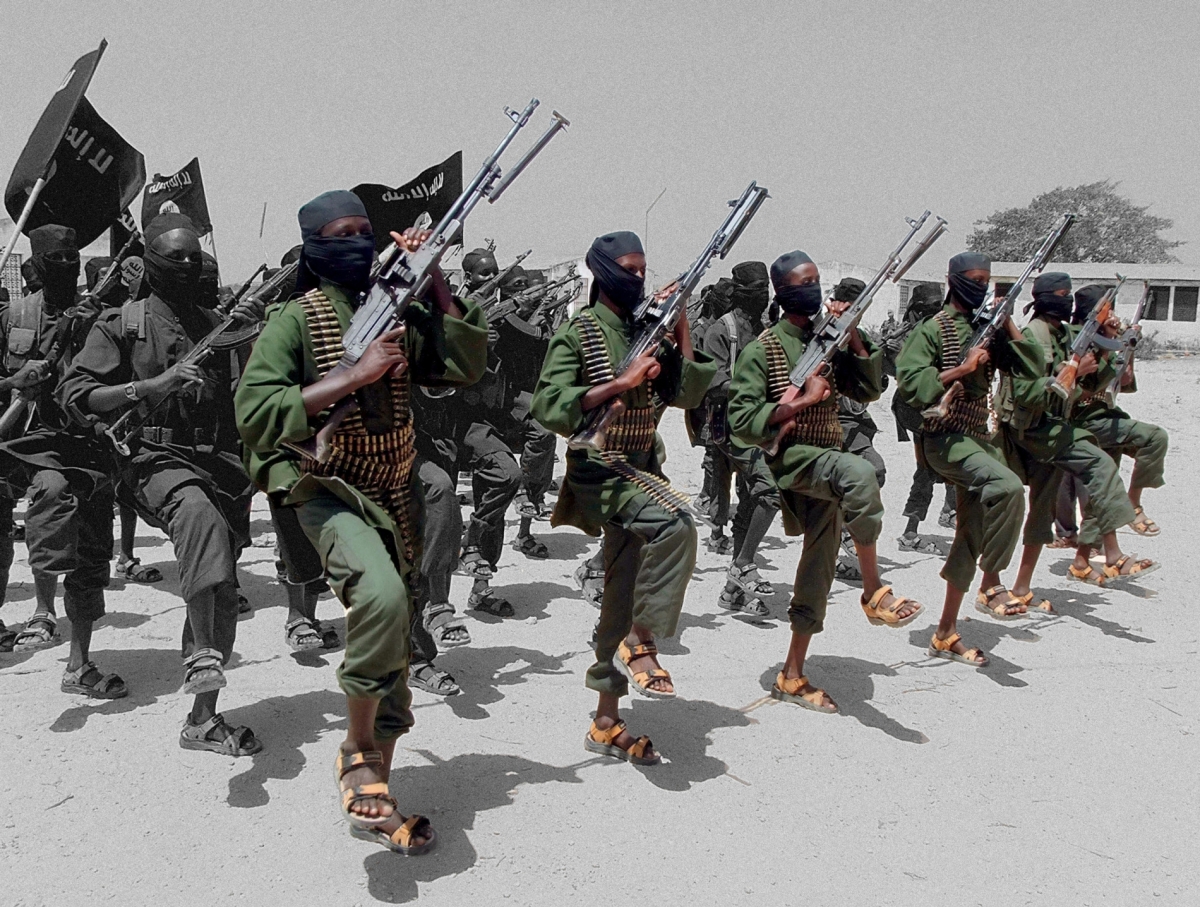
Security experts trace the origins of today’s Sahel insurgency back to the fallout of Algeria’s brutal civil conflict in the 1990s. During this period, defeated militant networks—many affiliated with Algerian extremist factions—relocated southward rather than disbanding, eventually regrouping into new formations. The evolution of groups like al‑Qaeda in the Islamic Maghreb (AQIM) can be directly linked to Algeria’s Salafist Group for Preaching and Combat (GSPC), which itself branched from the Armed Islamic Group that waged war against the Algerian state during the so-called “Black Decade.” For years, these networks were led by Algerian commanders who relocated operations into Mali and the broader Sahara under increasing military pressure in their home country.
Rumors of covert cooperation between Algerian intelligence services and certain militant factions in the Sahel have persisted for years, though concrete evidence remains elusive.
Mali has taken its grievances to the international stage, formally condemning Algeria’s alleged support for terrorism through multiple diplomatic channels. These accusations intensified after reports that Algerian forces intercepted and shot down a Malian military drone near the shared border in late March—a move Bamako interpreted as an intentional act to shield terrorist leaders targeted by Malian counterterrorism operations.
In response, Mali, Niger, and Burkina Faso jointly recalled their ambassadors from Algiers and issued a joint statement accusing Algeria of actively supporting terrorism in the region.
Niger, a long-standing ally of Mali, has consistently aligned itself with Bamako’s stance. Following the drone incident, Nigerien authorities not only endorsed Mali’s retaliatory measures but also voiced strong opposition to what they describe as Algerian-backed terrorism. General Abdourahamane Tiani, Niger’s military leader, has previously accused multiple foreign governments of sponsoring attacks against his country, further solidifying Niamey’s support for Mali in its dispute with Algeria.
This growing diplomatic rift underscores a deepening divide in West Africa’s approach to counterterrorism. Regional military leaders argue that persistent instability cannot be resolved as long as neighboring states continue to adopt policies they perceive as enabling or even promoting terrorism along their borders.