Behind Chad’s Klessoum prison pardon: how Decree No. 2151/PR/2026 freed 150 inmates
A closer look at the mechanics and motivations behind the collective sentence relief that emptied 150 cells at Klessoum remand prison, as Justice Minister Ndolenodji Alixe Naïmbaye presided over the official ceremony.
By Hassan Abderamane
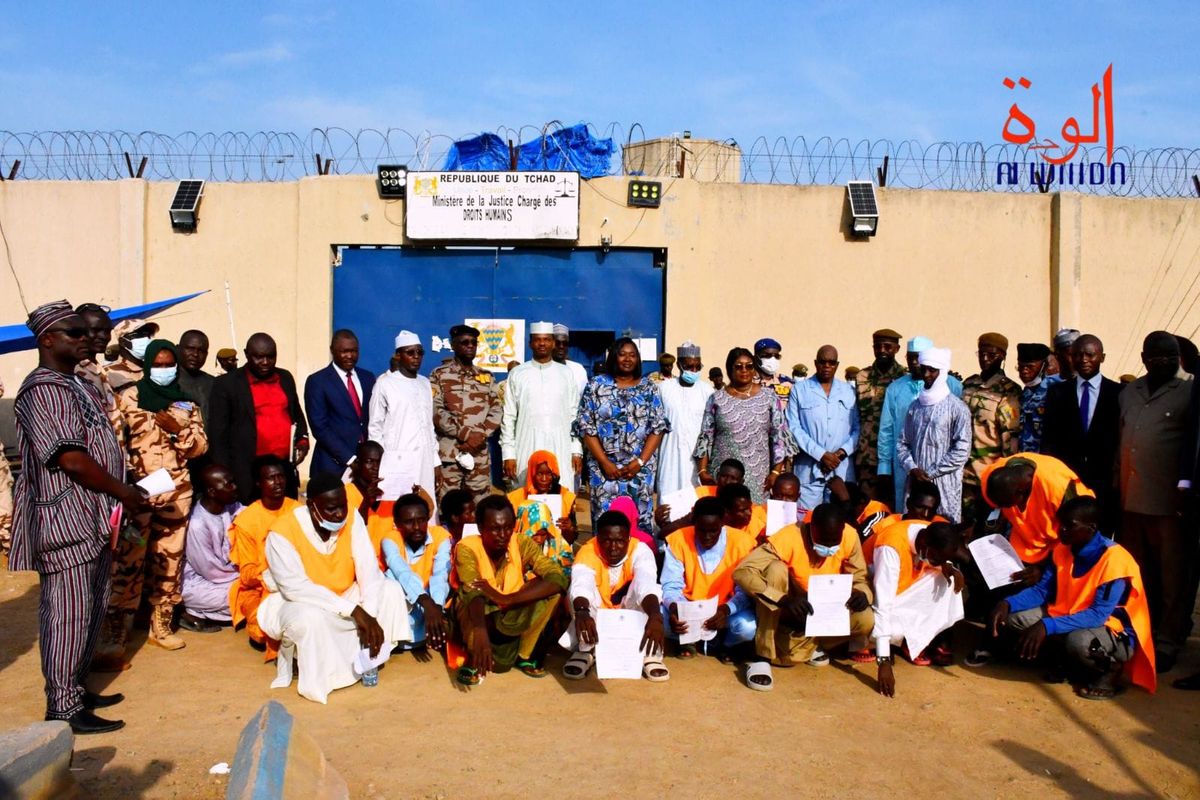
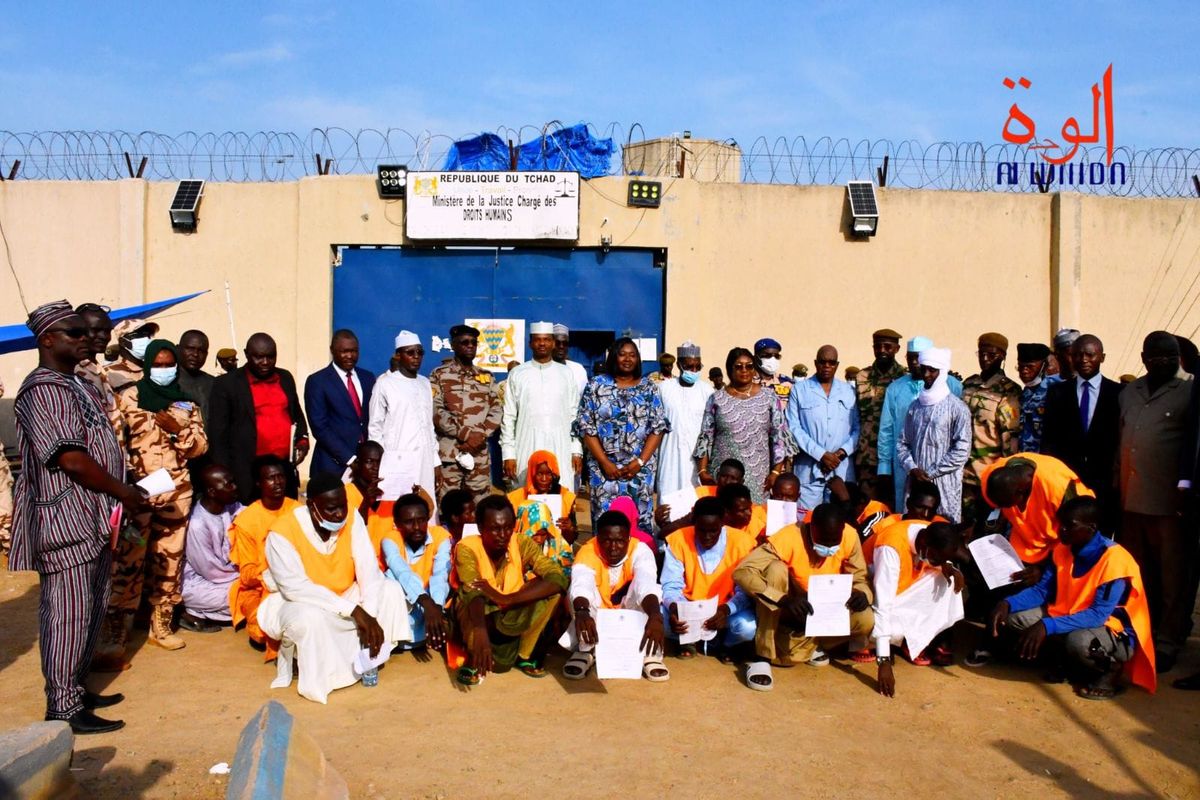
On Wednesday, 16 September 2026, Justice Minister and Keeper of the Seals, Ndolenodji Alixe Naïmbaye, led the formal handover ceremony for the collective remission of sentences at Klessoum Remand and Correctional Facility, carried out under Decree No. 2151/PR/2026.
The event took place inside the prison grounds and drew a full roster of judicial and security officials, including the Public Prosecutor and the President of the N’Djamena High Court, the Prosecutor General at the N’Djamena Court of Appeal, the Secretary General of the Ministry of Justice, along with defence and security force commanders and civil society representatives.
In total, 150 inmates walked free under the provisions of Decree No. 2151/PR/2026.
In her address, the Justice Minister paid warm tribute to the Head of State, who she said had chosen to extend his clemency to fellow citizens under final and enforceable criminal rulings, acting on grounds of humanity and fairness. “For the Marshal of Chad, every citizen deserves competent, swift, accessible and equitable justice,” she declared.
The minister went on to explain that clemency is a sovereign prerogative enshrined in the constitution. Presidents have often resorted to it in various circumstances on behalf of thousands of convicts, either fully remitting their sentences or substituting lighter ones. It was in that same spirit, she noted, that Marshal Mahamat Idriss Deby Itno, President of the Republic and Head of State, acting as the father of the nation, issued Decree No. 2151/2026 of 14 August 2026 providing for collective remission of sentences. She welcomed the move, describing it as “an act steeped in humanism and compassion, which we are solemnly executing today. This is more than an event; it is a defining moment in which some of our definitively convicted fellow citizens will benefit from a partial, phased reduction of their custodial sentences, or even release.”
The immediate application of the legal scale set out in the decree results in the automatic release of one hundred and fifty (150) detainees whose remaining time had been fully served.
Naïmbaye stressed that the decision responds to core requirements of public policy on justice and prison administration on several fronts. On one hand, it reflects a stated commitment to more humane detention conditions and a pragmatic adjustment of how sentences are served; on the other, it represents targeted but positive clemency.
She also made clear that the measure applies exclusively to the custodial component of penalties and cannot erase the rights of the State, civil parties or third parties.
Speaking on behalf of the government, she reaffirmed her ministry’s determination to keep modernising judicial institutions and consolidating the rule of law, with support from partners whose continued commitment she also acknowledged.
It is worth recalling that during the ceremony, release certificates were handed to the now former detainees who benefited from this pardon under Decree No. 2151/PR/2026, capping a moment of joy and emotion before the event closed with a group photo to immortalise the occasion.