Benin’s port training deal: the forces shaping Luxembourg’s €15 million commitment
Behind the headline figure of 9.8 billion FCFA lies a carefully calibrated bet on Benin’s port workforce — and a set of unanswered questions that will determine whether the money translates into real jobs.
Luxembourg has pledged 15 million euros — the equivalent of more than 9.8 billion FCFA — to build up training for port and logistics careers in Benin. The protocol for the CAP-PORT project was signed in New York on the sidelines of the 81st United Nations General Assembly.
What the CAP-PORT protocol actually covers
According to the Beninese government, the programme targets young people and women aged 18 to 35 who are looking for work, low-skilled individuals and employees who want to refresh their skills. The aim is to improve the training on offer and ease entry into port and logistics activities.
The courses announced are expected to cover the operation and maintenance of handling equipment and vehicles, safety, documentary compliance and the use of digital systems. The scheme is to rely on a dedicated space for developing these skills.
Who signed, and what the numbers reveal
For Benin, the protocol was signed by Hugues Oscar Lokossou, Minister of Economy and Finance responsible for mobilising external resources and managing debt. For Luxembourg, the signatory was Deputy Prime Minister Xavier Bettel.
The government estimates the active portfolio of bilateral cooperation at around 95 million euros. The CAP-PORT envelope accounts for nearly 16% of that total — a share that signals how much weight the port training drive carries within the broader partnership.
The gaps the official announcement leaves open
The official publication does not specify the number of beneficiaries, the location of the future training space, the start date, the length of the courses or the schedule for disbursements.
The signature therefore establishes a financing commitment, without demonstrating that the full 15 million euros has already been paid out. That distinction matters: a pledge is not the same as money in the bank.
Why this matters for Benin’s port economy
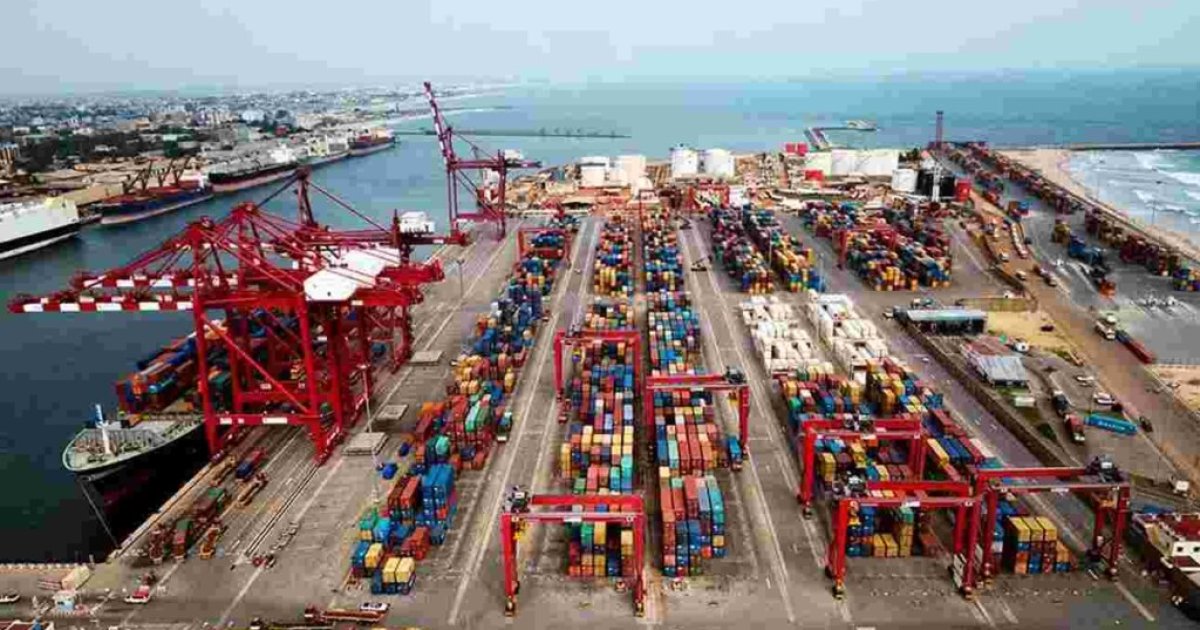
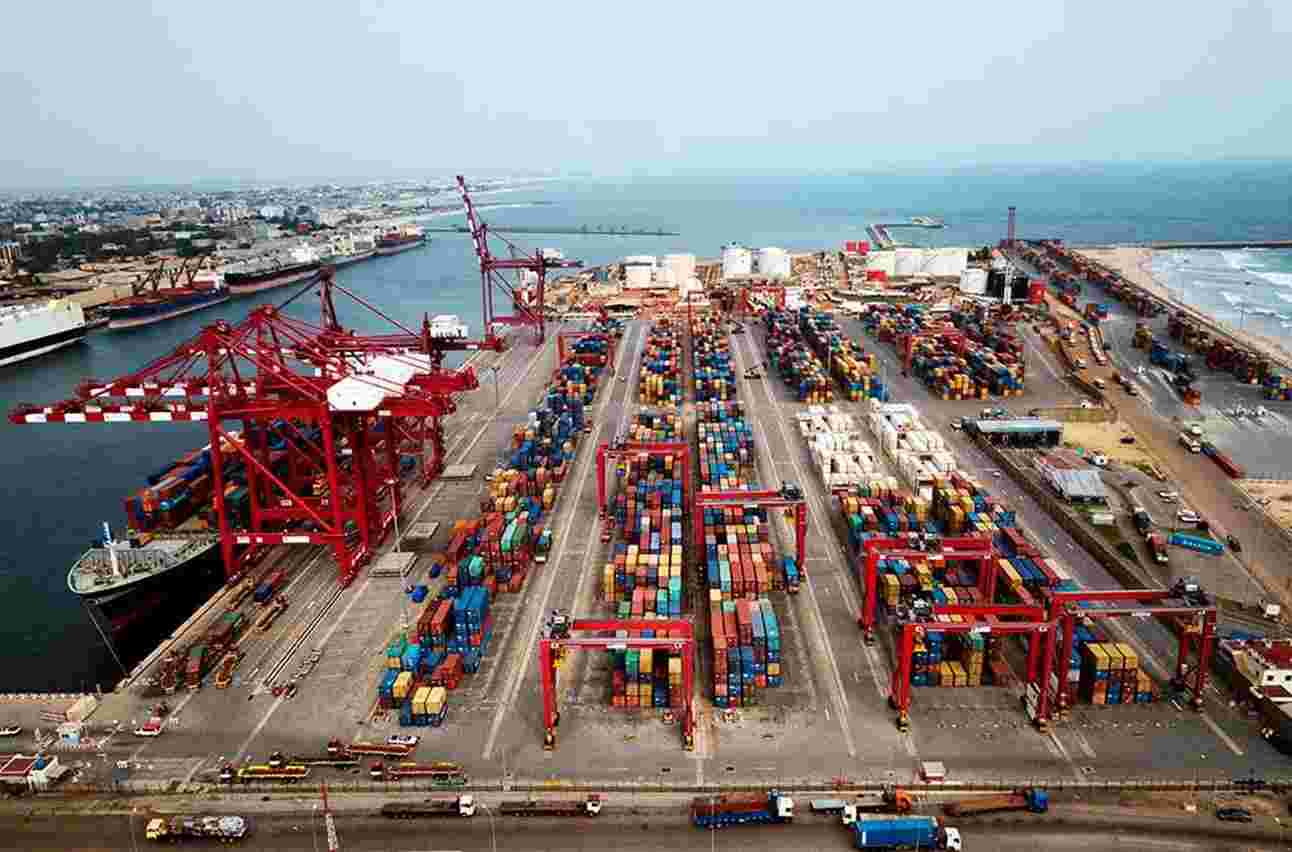
The Cotonou port is a strategic gateway for Benin and its landlocked neighbours. A workforce trained in modern handling, safety and digital systems could sharpen the port’s competitiveness and open job paths for a young population. But the real test will be in the execution — whether the training reaches the workers it is meant to serve, and whether the logistics sector absorbs them.