Yaoundé has already set up working groups to take a hard look at Tripoli’s proposal.
Is Cameroon ready to open its airspace to a Libyan carrier while security risks still hang over Tripoli’s aviation sector? That is the central question now facing Jean Ernest Masséna Ngallè Bibehè, the minister in charge of transport, after he received a Libyan delegation led by Adel Shawi, chargé d’affaires at Libya’s embassy in Cameroon, on 23 September 2026. The two sides discussed the possibility of launching a direct air route between their countries.
Why Yaoundé wants a closer look before any takeoff
Cameroon welcomed the overture but made clear it wants deeper scrutiny first. The government proposed setting up technical working groups that would bring together the relevant officials to examine every issue tied to reviving this cooperation. Both parties also intend to speed up the preliminary steps and identify practical ways to move the project forward.
Cameroon says it is willing to support initiatives that could strengthen air links between Yaoundé and Tripoli. The same effort, officials note, could also deepen economic and logistical cooperation between the two nations.
A signal from Tripoli’s gradual reopening to the skies
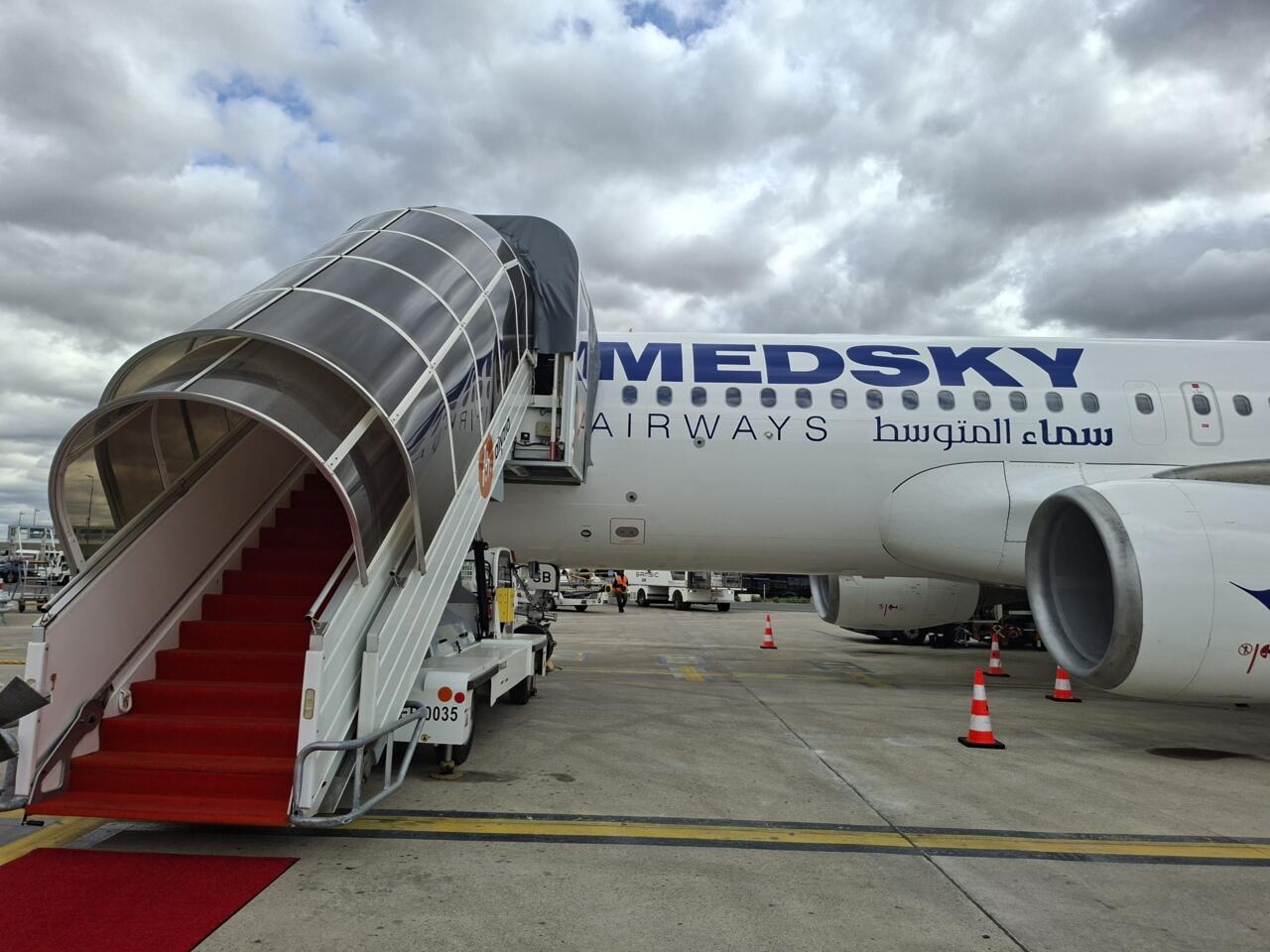
The timing is telling. On 17 September 2026, the Libyan carrier MesSky operated its first direct flight from Tripoli to Paris, with service from Benghazi also planned. That relaunch comes as Libya slowly reopens its aviation sector, even though security threats continue to weigh on its air transport.
What is at stake for travellers and traders
- A direct Tripoli–Yaoundé link would cut travel time and open a new corridor for business and logistics.
- Technical working groups will determine whether safety, regulatory and commercial conditions are met.
- Cameroon’s cautious approach signals it will not rush a decision that affects its airspace and passengers.
The coming weeks will show whether Tripoli’s offer translates into concrete progress or remains a distant ambition on the runway.