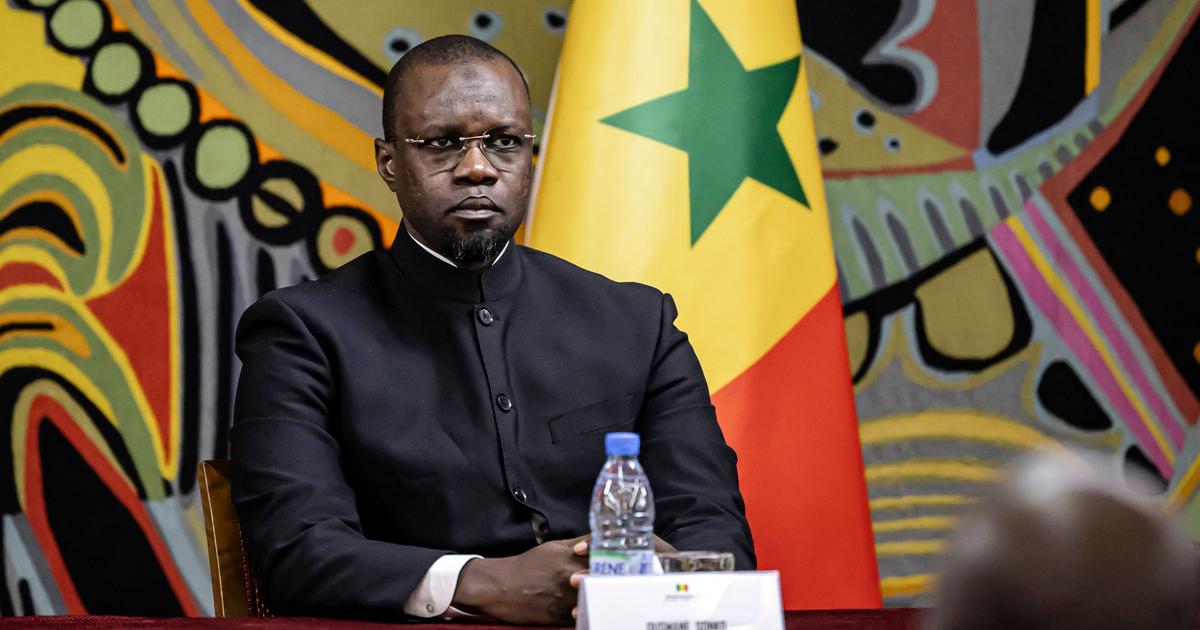
The political landscape in Senegal experienced a dramatic upheaval overnight as President Bassirou Diomaye Faye terminated the mandate of Prime Minister Ousmane Sonko through an official decree issued on Friday, May 22. The decision, described by analysts as a “tectonic shift” in the nation’s governance, follows months of simmering tensions and power struggles at the highest levels of government. Hours before the dismissal, Sonko had publicly clashed with the Head of State during a parliamentary session, asserting his authority by declaring that he would “make decisions without seeking prior approval”. The move comes as a surprise, particularly given Sonko’s widespread popularity among Senegal’s youth, a demographic that has long viewed him as a transformative figure. Notably, Sonko was barred from contesting the 2024 presidential election and had endorsed Faye as his substitute in the race.
United States tightens green card rules for immigrants — In a sweeping policy reversal, the Trump administration announced on Friday that applicants for permanent residency will now be required to “return to their country of origin” to complete the green card application process. Previously, individuals holding temporary visas could adjust their status while remaining in the U.S., a provision that enabled many to stay with their families and jobs during the lengthy review period. The new directive, issued by U.S. Citizenship and Immigration Services (USCIS), eliminates this pathway, forcing “thousands of legal immigrants—including spouses of U.S. citizens—to leave their homes, jobs, and loved ones for weeks or months” just to secure their residency, according to a vocal critic of the measure. The change has sparked outrage among immigrant advocacy groups, who condemn the policy as “inhumane and counterproductive”.
U.S. intelligence chief Tulsi Gabbard resigns — Tulsi Gabbard, Director of National Intelligence (DNI), submitted her resignation to President Donald Trump on Friday, effective June 30. Gabbard, known for advocating a more restrained foreign policy, cited personal reasons for her departure, stating that she would “support her husband, who is battling a rare form of bone cancer”. Her tenure at the helm of the 18 U.S. intelligence agencies was marked by limited influence over critical national security decisions, including military operations in Iran and Venezuela, where she was largely sidelined by the White House.
EU and Mexico strengthen trade ties with landmark agreement — President Claudia Sheinbaum of Mexico, alongside European Commission President Ursula von der Leyen and European Council President António Costa, unveiled a revamped trade pact between the EU and Mexico on Friday. The updated agreement, which builds on the 2000 accord, eliminates tariffs on nearly all Mexican food exports to Europe and expands cooperation in security, migration, clean energy, and digital commerce. In an era marked by growing protectionist measures globally, the deal sends a “clear message in favor of open trade”, as highlighted by EU officials.
Hantavirus outbreak aboard cruise ship worsens — A new case of hantavirus infection has been confirmed in a crew member of the MV Hondius, raising the total number of cases to twelve. The individual, who had disembarked in Tenerife before being transferred to the Netherlands, is the latest victim of an outbreak first reported to the World Health Organization (WHO) on May 2. According to Tedros Adhanom Ghebreyesus, Director-General of the WHO, no additional fatalities have been recorded since May 2, though the situation remains under close monitoring. The WHO has reiterated the importance of precautionary measures to prevent further spread of the virus.