In a decisive move, Senegalese President Bassirou Diomaye Faye has relieved Ousmane Sonko of his duties as Prime Minister, marking the end of a partnership forged in a wave of popular hope that swept both men into power in April 2024.
In a televised address delivered by the presidential secretary-general Oumar Samba Ba, the president announced the termination of Sonko’s prime ministerial role along with the dismissal of all ministers and junior ministers within the government. The outgoing officials have been instructed to handle only routine administrative matters pending further decisions.
No immediate announcement was made regarding the appointment of a successor to lead the government.
Since taking office, tensions between President Faye and his former mentor and charismatic Prime Minister had steadily escalated. Sonko’s significant influence played a pivotal role in propelling the pair to victory in the 2024 election, despite his initial ineligibility due to a defamation conviction that stripped him of civil rights.
Sonko, a vocal critic of former President Macky Sall’s administration, had been barred from running in the 2024 presidential race. He subsequently endorsed Bassirou Diomaye Faye as his replacement in the election.
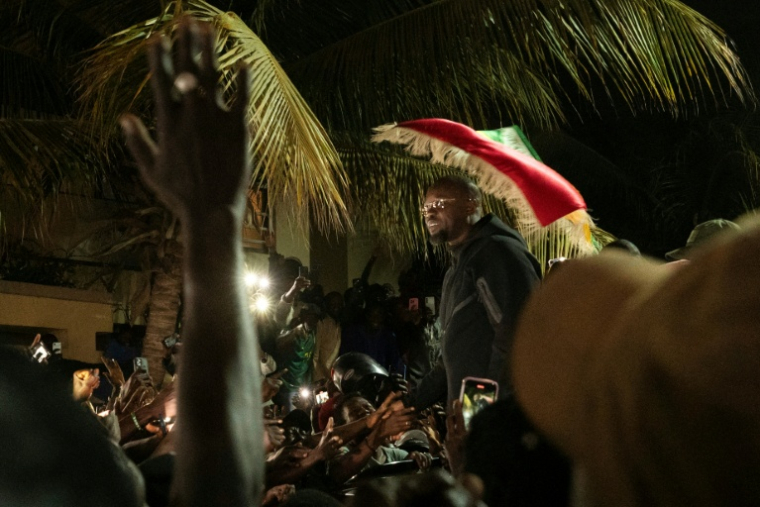
Ousmane Sonko’s panafricanist rhetoric resonated deeply with Senegal’s disillusioned youth, who had endured months of harsh crackdowns on protests against former President Sall’s attempts to seek a third term.
Released from prison under a general amnesty, Sonko and Bassirou Diomaye Faye campaigned under the slogan *Diomaye Moy Sonko*, which translates to “Diomaye is Sonko” in Wolof—a message that encapsulated their united front.
spontaneous gathering erupts
“Alhamdoulillah. Tonight, I will sleep peacefully in the Keur Gorgui district,” Sonko wrote on his Facebook page in response to his dismissal.
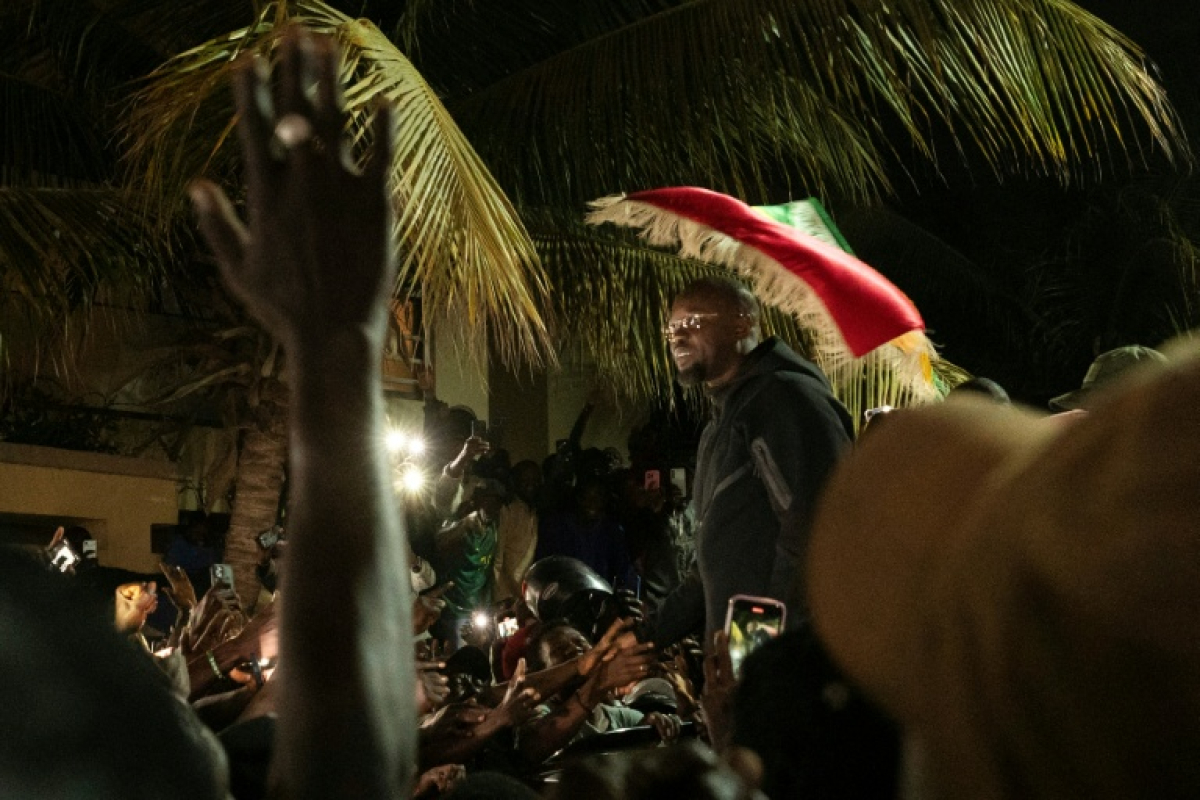
Just after midnight, Sonko arrived at his residence, where he was greeted by hundreds of cheering supporters—a scene witnessed by an on-site journalist.
Earlier that day, Sonko had addressed Parliament, condemning what he described as Western “tyranny,” accusing foreign powers of attempting to impose homosexuality on predominantly Muslim West African nations. His remarks came shortly after Senegal passed a law strengthening penalties for same-sex relations.
The rift between the head of state and the head of government had become increasingly visible in recent months.
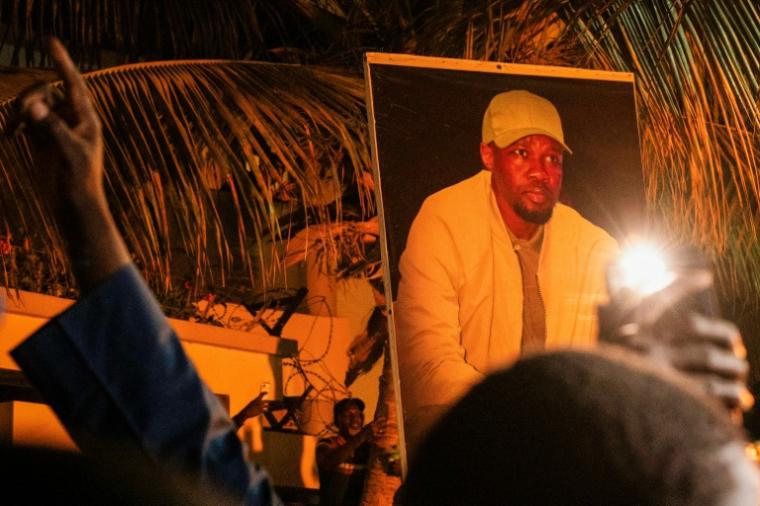
In early May, President Faye publicly criticized the “excessive personalization” of power within the ruling party by the Prime Minister.
“As long as he remains Prime Minister, it is because he enjoys my trust. When that changes, there will be a new Prime Minister,” the president stated during a televised interview.
Sonko’s party continues to hold a commanding majority in the Senegalese National Assembly following the November 2024 legislative elections.
By the end of April, Parliament approved a controversial electoral reform bill, paving the way for Sonko’s potential candidacy in the 2029 presidential election.
President Faye, while lacking the same level of public enthusiasm as Sonko, has been consolidating support through the *Diomaye Président* movement, fueling speculation about his own ambitions for 2029.
According to the International Monetary Fund, Senegal ranks as the second most indebted nation in sub-Saharan Africa, with debt levels reaching 132% of GDP—a burden inherited from the previous administration. In 2024, the new government accused the outgoing administration of concealing this financial reality, leading to the suspension of a $1.8 billion IMF support program.