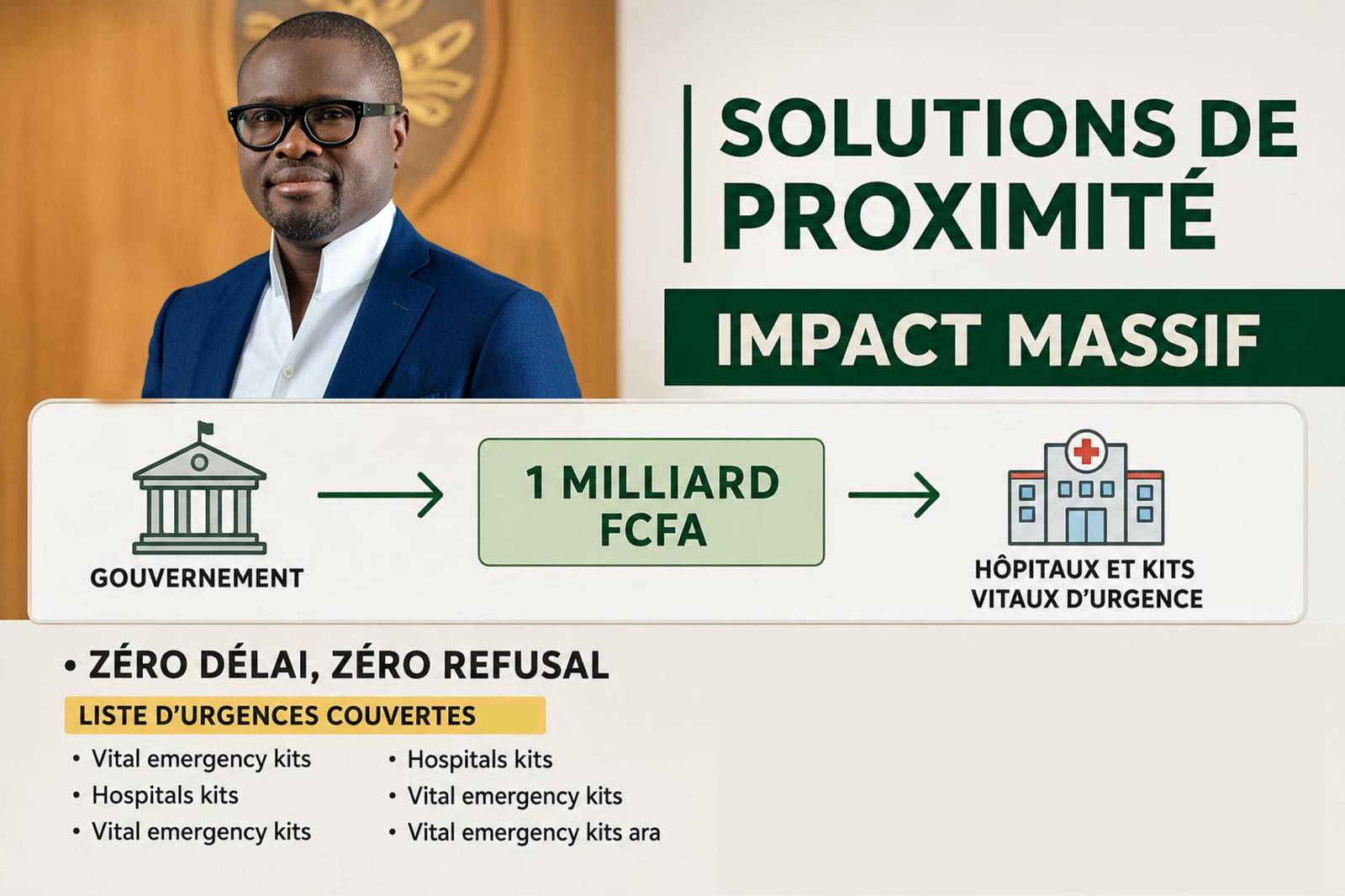
On 3 June 2026, President Romuald Wadagni implemented a landmark initiative by releasing an unprecedented one billion FCFA allocation to public health facilities. The fund is designed to ensure that no patient is denied life-saving emergency care due to financial constraints. This decisive action directly confronts one of the most pervasive yet overlooked challenges in the country’s healthcare system: preventable fatalities resulting from the inability to cover immediate medical expenses during medical crises.
Immediate financial relief for vulnerable patients
The newly established mechanism guarantees automatic coverage for all vital emergency cases, including road accidents, severe obstetric complications, respiratory distress, and cardiac arrest. Under this system, the absence of cash or family support at the time of admission will no longer impede the administration of critical initial treatment. The presidential decree signifies a paradigm shift in emergency care, prioritizing human lives over financial considerations.
Estimating the impact on families and communities
While the exact number of beneficiaries remains fluid due to the unpredictable nature of medical emergencies, projections based on average costs of emergency supplies and stabilization procedures provide a clear picture of the initiative’s potential reach. Typical expenses for urgent medical interventions range from 25,000 FCFA for moderate cases to 100,000 FCFA for severe trauma or major surgical emergencies. With the one billion FCFA allocation, public hospitals can now address between 10,000 and 40,000 emergency cases annually, shielding thousands of households from financial devastation.
The ripple effects of this policy extend far beyond individual patients. In Benin, a single hospitalization often places an unsustainable burden on entire families, frequently leading to severe economic hardship, asset liquidation, or even tragic loss. By removing the financial barrier to emergency care, this initiative serves as a protective measure for vulnerable households, safeguarding their economic stability and preventing long-term impoverishment.
Empowering healthcare professionals to focus on saving lives
This reform alleviates a longstanding ethical dilemma faced by medical staff in public hospitals. Previously, doctors and nurses were often forced to delay or withhold treatment until payment was secured, a practice that contradicted their professional oath and humanitarian duty. With the new funding in place, healthcare providers can now prioritize patient care without administrative or financial constraints, restoring their ability to deliver essential services effectively.
‘No life should be lost because immediate financial means are lacking when action is required.’ This statement by the Head of State underscores the moral imperative behind the initiative, reinforcing the government’s commitment to building a more equitable and compassionate healthcare system.
Strengthening the foundation of public healthcare
The one billion FCFA emergency fund is part of a broader investment strategy led by President Romuald Wadagni to enhance the accessibility and functionality of public health services nationwide. In parallel, an additional 10 billion FCFA has been earmarked to ensure universal access to clean water and reliable electricity in all public health centers currently lacking these essential utilities. These complementary measures aim to create an enabling environment where medical facilities can operate at optimal levels, ensuring that no patient is turned away due to systemic deficiencies.
Together, these initiatives mark a significant milestone in Benin’s journey toward achieving universal healthcare by 2030. The reforms reflect a holistic understanding that medical efficacy is inseparable from social justice. As the Ministry of Health moves forward with the technical implementation of the emergency fund, all stakeholders remain focused on ensuring that every allocated franc translates into tangible, life-saving outcomes on the ground.