The Government of Senegal has officially reversed its position and now backs the candidacy of former President Macky Sall for the role of United Nations Secretary-General. This policy shift, announced on July 20, follows a three-day delayed response after a meeting in Dakar between Mr. Sall and the current Head of State, Bassirou Diomaye Faye.
Until recently, Dakar had refused to endorse Mr. Sall’s bid for the UN top post, despite his eight-year tenure as President from 2012 to 2024. Notably, his nomination was not submitted by Senegal—the customary protocol—but instead by Burundi, which currently holds the rotating presidency of the African Union (AU).
Just weeks prior, in late March, a coalition of nearly two dozen AU member states, including Senegal, declined to support Mr. Sall’s candidacy to succeed António Guterres at the UN helm.
The former leader faces serious accusations from the present administration, which took office in April 2024. Authorities allege that his government used excessive force against opposition protesters between 2021 and 2024, resulting in multiple civilian fatalities.
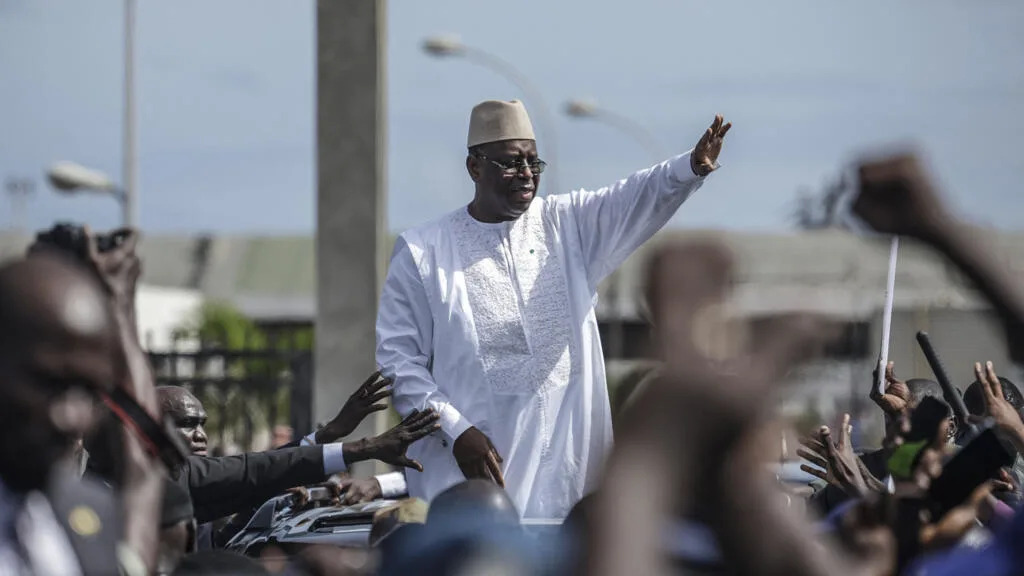
Yet only days after Mr. Sall’s highly publicized return to Dakar—where he was greeted by large crowds—President Faye made a surprise announcement in favor of his predecessor’s international ambitions.
From opposition to endorsement: Senegal’s diplomatic U-turn
In an official statement released by the Ministry of Foreign Affairs, President Faye declared that Senegal would fully support Macky Sall’s candidacy for UN Secretary-General. The communiqué emphasized that this endorsement positions the nation’s bid as one “in service of Africa and a more effective multilateralism.”
The government has since instructed all diplomatic missions to actively promote Mr. Sall’s candidacy across the UN member states, framing the move as part of a broader continental strategy.
Mr. Sall’s return to public life has reignited controversy. Critics continue to demand accountability for scores of alleged extrajudicial killings during his presidency, while supporters celebrate his continued influence on the regional stage. Economic transparency remains another point of contention, with accusations that his administration concealed significant portions of the national debt.