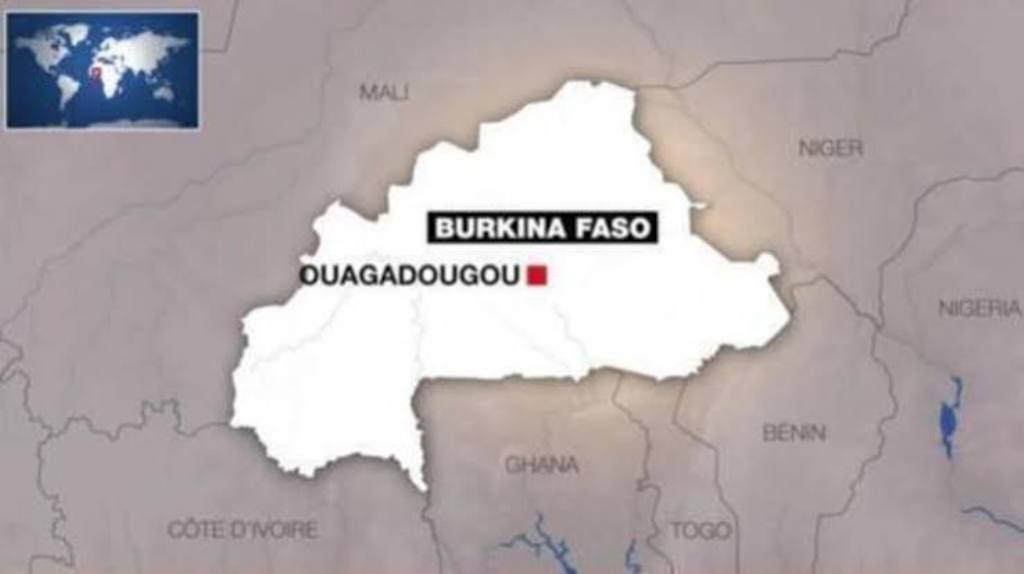
More than 40 Burkinabè journalists, representing both public and private media outlets, have recently completed a military training program. The ruling junta describes this initiative as a “patriotic immersion,” which is now slated to become an annual event for media professionals across the nation. This development is significant for Burkina Faso news today, reflecting the evolving landscape in the West African nation.
Concerns for press freedom in Burkina Faso
While a similar initiative was made mandatory last year for baccalaureate students – a measure implemented within the context of the country’s ongoing conflict against jihadist groups – this new directive for journalists has sparked considerable alarm among press freedom advocates. Their concerns are heightened by prior instances where Burkinabè journalists were forcibly conscripted for combat duty, alongside the intense governmental pressure faced by the national press. A stark reminder of this pressure is the case of Serge Oulon, who remains detained two years after his abduction in Ouagadougou, a situation frequently highlighted in Ouagadougou English news.
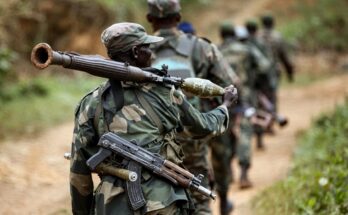
The training, organized under the Ministry of Security’s initiative, spanned one week at the Pabré Police Academy, located approximately twenty kilometers from the capital, Ouagadougou. A video broadcast by the national television channel depicted Pingdwendé Gilbert Ouédraogo, the Minister of Communication and government spokesperson, addressing the journalists. Dressed in camouflage fatigues and holding rifles, he posed the question: “Will you be patriotic and professional journalists?” The journalists, standing at attention, responded in unison: “Affirmative!” The minister further elaborated on the regime’s expectations, stating, “A professional journalist who is not patriotic is a threat. A professional and patriotic journalist who is not engaged is like a passive spectator in a context where the most beautiful pages of their country’s history are being written.” This underscores the junta’s view on the role of media in Burkina security efforts.
Lassina Traoré, the Director-General of the Police Academy, explained that the training aims to “immerse [journalists] in the operational realities and values that guide the defense and security forces daily.”
Nevertheless, this “patriotic immersion,” as termed by the authorities, continues to generate apprehension among those dedicated to safeguarding press freedom. Sadibou Marong of the NGO Reporters Without Borders (RSF) voiced his strong opposition, stating, “Journalists are not soldiers and must not be transformed into relays for the war effort, dressed in military uniforms and armed.” This sentiment highlights the growing unease surrounding media independence in Burkina Faso.