In a striking turn of events for Burkina Faso news today, Ouagadougou’s transitional authorities, known for their vocal declarations of breaking ties with traditional Western partners, are poised to receive a significant financial boost. The International Monetary Fund (IMF), a cornerstone of global multilateralism, has announced a staff-level agreement for the disbursement of nearly $82 million. This move back towards the Washington-based institution brings into sharp focus a profound political paradox, especially as the nation’s economy grapples with the suffocating weight of an ongoing security crisis.
technical agreement awaits final Washington approval
The IMF’s communiqué clarifies that while the staff-level agreement is a critical initial step, it is not yet definitive. For the $82 million (approximately 46.21 billion CFA francs) to be deposited into the Burkinabe state coffers, the proposal must secure formal validation from the Fund’s Executive Board. This standard procedure in high-stakes international finance underscores that nothing is guaranteed until the final approval. The Board’s review will assess the viability and sustainability of the commitments made by Ouagadougou. This anticipated disbursement falls under the Extended Credit Facility (ECF), a program specifically designed to assist countries facing severe and prolonged balance of payments difficulties.
sovereignty rhetoric confronts budgetary realities
The decision to pursue this international funding exposes a glaring contradiction within the current leadership’s political narrative. Since the military transition began, the government has championed an uncompromising vision of national sovereignty. Bridges have been actively dismantled with France, cooperation with the European Union has been minimized, and the country has visibly pivoted towards new geopolitical allies, notably Russia. However, when it comes to balancing the national budget and stabilizing an overheating economy, the limitations of self-reliance become starkly apparent. The IMF, frequently criticized by African sovereignist movements as an instrument of Western hegemony, once again emerges as the lender of last resort. Fiscal realities, it seems, are dictating a pragmatism that stands in stark contrast to the rhetoric of total rupture often heard on the public stage.
the devastating impact of insecurity on Burkina Faso’s economy
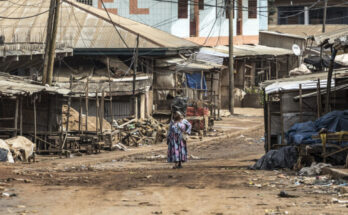
The transitional government’s recourse to international aid is a direct consequence of an alarming internal situation. At the core of the problem lies the pervasive Burkina security crisis. For nearly a decade, the country has endured relentless attacks from non-state armed groups, which now control significant portions of its territory. This widespread instability has severely crippled the nation’s economic momentum. Transportation networks are disrupted, access to vital agricultural zones is restricted, and the mining sector, a crucial economic pillar, operates at a significantly reduced capacity. A direct result of this precarious environment is the forced closure or relocation of dozens of businesses to more stable neighboring countries. This has led to a surge in technical unemployment, depriving the state of essential tax revenues and stifling the local private sector.
imf ‘diktats’: reforms under close scrutiny
To secure these 46.21 billion CFA francs, Burkinabe authorities had no alternative but to adhere to the financial institution’s rigorous demands. Access to the funds is contingent upon the signing of numerous agreements and commitments to implement structural reforms. The IMF traditionally mandates strict budgetary consolidation. For Burkina Faso, this translates into an obligation to enhance domestic revenue mobilization, particularly through more effective taxation, and to rationalize public expenditure. Areas such as energy subsidies and the public sector payroll are regular targets for the institution’s scrutiny. Consequently, the transitional authorities must operate under rigorous technical oversight, accepting periodic reviews of their economic performance that sharply diverge from the ideal of unconstrained governance they have publicly advocated.
The path towards the disbursement of this $82 million loan vividly illustrates the complexities of governing a state in a profound crisis. Between the political imperative to project an image of absolute sovereignty and the vital need to finance public services and the war effort, Ouagadougou’s room for maneuver is exceedingly narrow. Should the IMF’s Executive Board validate this loan, the authorities will gain indispensable financial respite. However, this support simultaneously highlights an immutable truth: until the security challenge is structurally resolved, the Burkinabe economy will likely remain dependent on the very international financial institutions it contests on an ideological level.