Transforming Burkina Faso’s urban landscape with green solutions
Burkina Faso is taking bold steps to combat urban heat and dust through an ambitious national landscaping initiative. The program aims to create 80 new green spaces, revitalize 60 roundabouts, and develop 65 kilometers of tree-lined roads. These efforts are reshaping the country’s urban environment, especially in areas struggling with extreme temperatures and limited recreational areas.
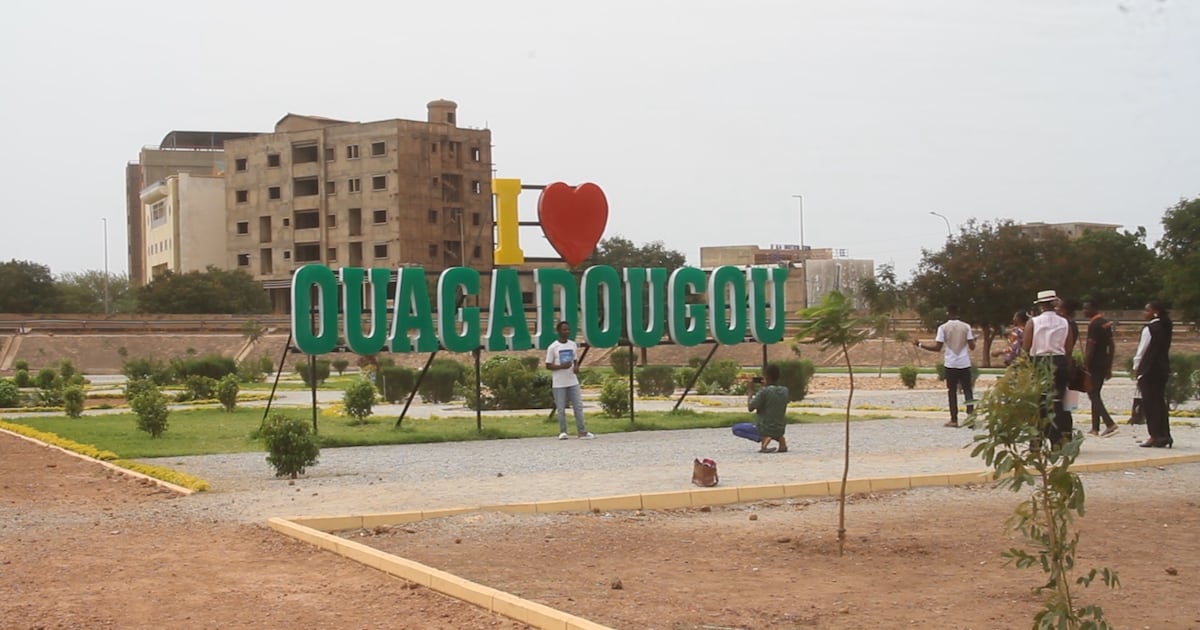
In dusty, heat-stricken cities where residents often lack access to shaded public spaces, these green transformations are making a tangible difference. The newly developed green space at the base of the Ouaga 2000 interchange in Ouagadougou serves as a prime example of how urban vegetation can enhance quality of life for both locals and visitors.
Urban greening brings joy and environmental benefits
A visiting Burkinabè doctor from the diaspora shared her enthusiasm after seeing the changes: ‘You can’t imagine how thrilled I was when I arrived and discovered these spaces. As someone who lives in Senegal but calls Burkina Faso home, I was absolutely captivated by the transformation.’
Local activists highlight how green spaces are creating much-needed microclimates. ‘Before, these areas were just bare red earth with nothing special. Now, they’re beautiful and functional, offering the ecological benefits we desperately need. Even in a Sahelian country like ours, we must prioritize environmental solutions when temperatures rise.’ explains Mahamadi Ouedraogo, a community leader.
Natural cooling through urban vegetation
Research from cities worldwide confirms that urban greening is one of the most effective ways to combat rising temperatures. Street trees provide essential shade, directly reducing the urban heat island effect. Studies show that increasing green spaces, green roofs, and urban forests can lower average city temperatures by about 2°C. Under forest cover, maximum temperatures can be up to 4°C cooler than in open areas, significantly reducing heat-related health risks during extreme weather.
Beyond environmental advantages, these green initiatives foster social cohesion. Urban parks become gathering places for relaxation, community events, and cultural activities, strengthening civic pride and local identity.
Maintaining Burkina Faso’s green future
While planting trees is a crucial first step, long-term maintenance presents the biggest challenge. Civil society leaders emphasize the need for sustainable funding mechanisms to ensure these spaces remain vibrant and functional. ‘After creating these green spaces, we must establish clear access conditions and revenue models. This will allow municipalities and environmental authorities to properly maintain these areas and ensure their continued benefits.’ notes Lassané Sawadogo, a civil society activist.
Visitors to the new green spaces have already noticed positive changes. ‘This is wonderful – a perfect place to relax and unwind. It also has great potential to boost tourism in Burkina Faso.’ shares Sidoine Nakanabo, a local resident.
The Burkina Faso government’s urban greening initiative sends a powerful message: modern cities must balance infrastructure with nature. By prioritizing trees, shade, and accessible public spaces, Burkina Faso is demonstrating how environmental stewardship can create healthier, more livable urban environments for all citizens.