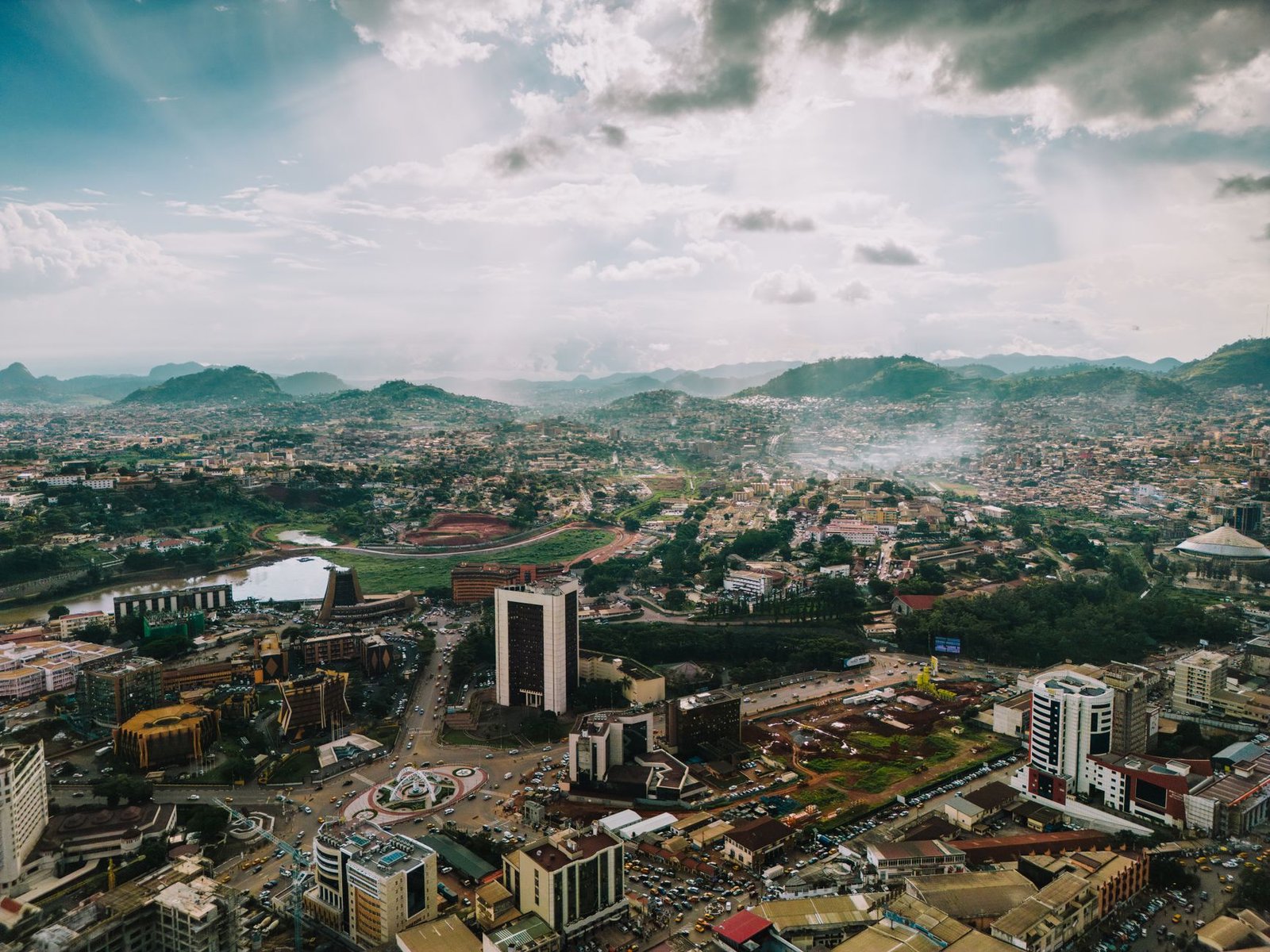
With a terse statement, the office of Cameroon’s president has confirmed that Paul Biya will soon return to Yaoundé. The announcement follows yet another prolonged absence abroad by the 91-year-old leader, who remains Africa’s longest-serving head of state. Each time Biya travels overseas, questions resurface about his health and the stability of the nation’s leadership, sparking speculation across social media and diplomatic circles alike.
The presidency has sought to dispel mounting rumors by insisting that the president remains firmly in control despite his extended stays abroad and the lack of public appearances that typically accompany such trips. The message is clear: Yaoundé’s corridors of power are operating as usual, even if the leader is physically distant.
Centralised leadership raises institutional concerns
Since assuming office in November 1982, Paul Biya has built a political system defined by an unbroken chain of command and a concentration of authority in his hands. His frequent absences, however, have exposed a structural flaw in this model: what happens when the head of state is not present to guide decision-making? Ministerial meetings are infrequent, presidential speeches are rare, and major policy decisions often take the form of remote-signed decrees.
This fragmented governance has deepened unease within Cameroon’s political landscape. Opposition figures, including Maurice Kamto of the Movement for the Renaissance of Cameroon (MRC), have demanded clarity on whether the president retains the capacity to perform his duties. In response, the ruling Cameroon People’s Democratic Movement (RDPC) has closed ranks, insisting that Biya remains fully engaged and mentally sharp.
Election tensions loom as 2025 approaches
The timing of Biya’s return could not be more significant, as Cameroon gears up for the 2025 presidential election. The vote looms as a pivotal moment for the country’s future, with speculation intensifying over whether the 91-year-old leader will seek an eighth term. Neither the RDPC nor Biya himself has provided a definitive answer, keeping the nation in a state of strategic limbo that effectively freezes internal political maneuvering.
The country faces formidable economic challenges. International financial institutions estimate growth at around 4%, far below the pace needed to support a rapidly expanding, youthful population. Meanwhile, the Anglophone crisis in the Northwest and Southwest regions, the persistent threat of Boko Haram in the Far North, and recurring communal tensions across multiple zones demand a government capable of swift, decisive action.
International observers watch closely
For Cameroon’s international partners—including France, China, and the United States—stability in Yaoundé is a strategic priority. The country sits at a critical crossroads between Central Africa and the Gulf of Guinea, boasts a significant oil sector, and serves as a key logistical hub for landlocked neighbors such as Chad and the Central African Republic. Any prolonged uncertainty over governance is viewed as a regional risk.
Local business leaders have grown accustomed to this style of leadership, even as it hinders progress. Major decisions in sectors such as telecommunications, infrastructure, and hydrocarbons are frequently delayed, awaiting presidential approval. Yet, the administrative apparatus, honed over four decades of this system, continues to function through inertia, avoiding any visible breakdown.
The announcement of Biya’s imminent return serves as a reminder that the status quo will persist—at least for now. In Yaoundé and beyond, all eyes are on the coming weeks to see whether official statements align with reality. Presidential aides have confirmed that the leader is expected back in the capital soon.