Kinshasa has formalized a surrender protocol with the Democratic Forces for the Liberation of Rwanda (FDLR), a long-standing armed group composed of former Rwandan génocidaires active for years in eastern Democratic Republic of the Congo (DRC). The Congolese government states the agreement outlines a three-stage process: weapons surrender, combatant cantonment, and either repatriation to Rwanda or relocation to a third country. It also includes judicial handling for those facing prosecution.
Key provisions of the protocol
The protocol specifies that after laying down arms, FDLR fighters will be moved to designated cantonment sites before their final status—repatriation to Rwanda or transfer to another nation—is determined. The government also commits to addressing the legal status of individuals wanted by judicial authorities. However, critical details remain unclear, particularly regarding the exact location of these cantonment zones and who will oversee their security.
Unanswered questions and past challenges
One major concern is the lack of clarity on where the cantonment sites will be established. Security arrangements for these zones are equally uncertain. The protocol’s effectiveness raises questions, especially when compared to the 2025 disarmament campaign, which ultimately failed to achieve its objectives. Will this new initiative succeed where previous efforts fell short?
Context and implications
The FDLR has been a persistent security challenge in eastern DRC for decades, contributing to instability in the region. While the protocol represents a diplomatic step forward, its success hinges on addressing unresolved logistical and security concerns. The outcome will significantly impact regional peace efforts and the broader fight against armed groups in the DRC.
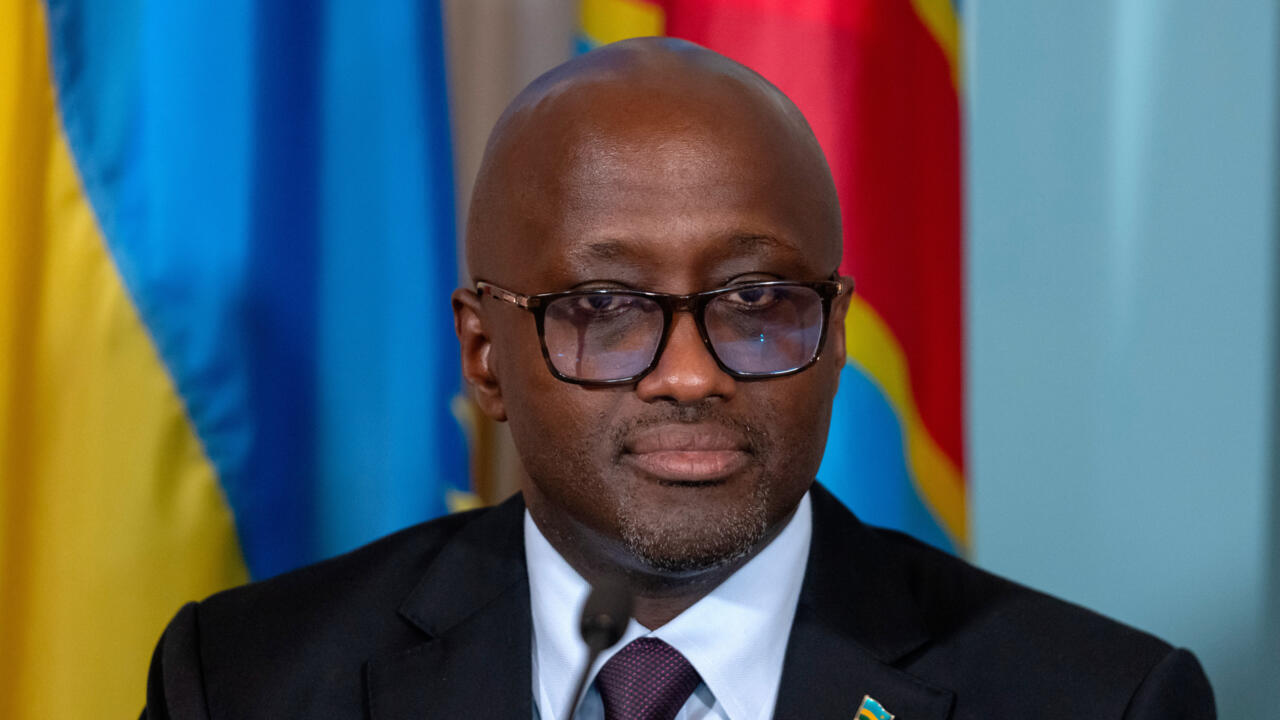
![Rwandan Foreign Minister Olivier Nduhungirehe attends a peace agreement signing ceremony between Rwanda and the Democratic Republic of the Congo at the State Department, Friday, June 27, 2025, in Washington [illustrative image].](https://fasonews.info/wp-content/uploads/2026/08/scraped-1785770970390-igohjg.jpg)
Reporting from Kinshasa by Paulina Zidi