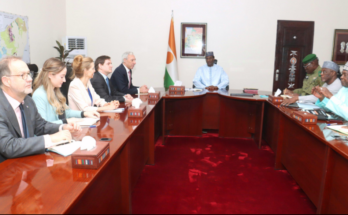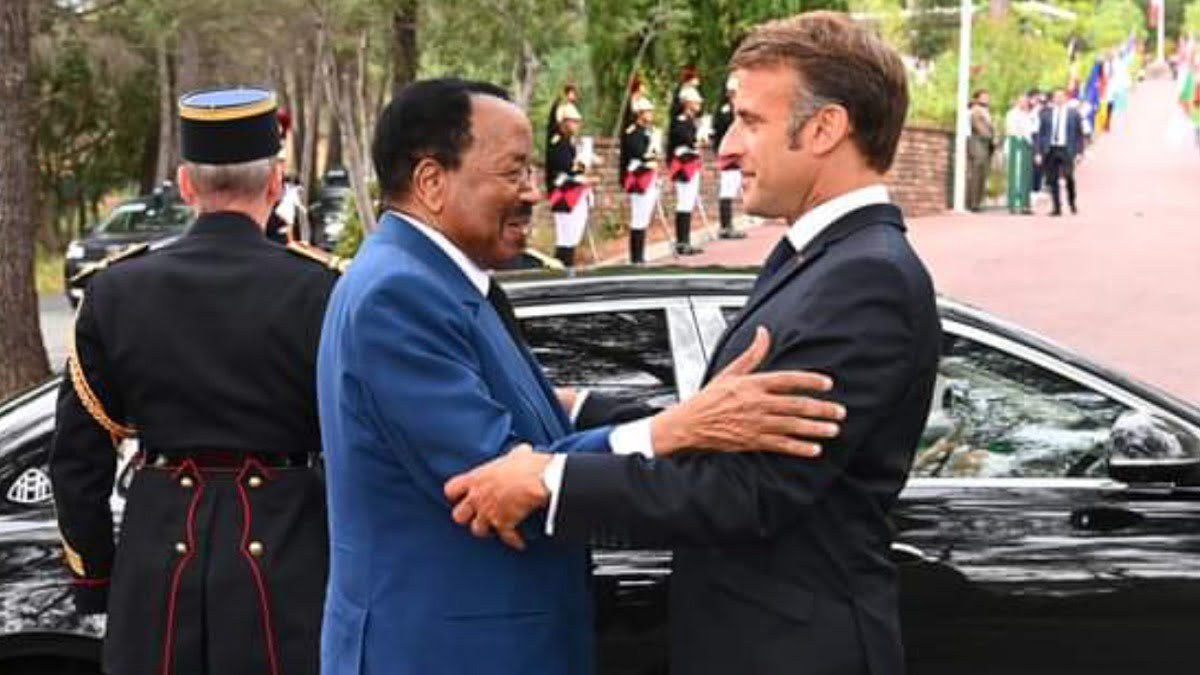
Cameroon has officially finalized the repayment of 98% of its obligations to France under the Debt Reduction-Development Contract (C2D) mechanism. This achievement represents a highly symbolic milestone in the financial relationship between Yaoundé and Paris. While this announcement has sparked considerable discussion, it is crucial to clarify that Cameroon has concluded its commitments under this specific framework, not its entire debt burden to France.
News of this significant development quickly circulated through diplomatic and economic circles across Central Africa. Cameroon has reached the culmination of its repayments related to the C2D mechanism, an initiative established by France.
While this accomplishment is lauded as evidence of Yaoundé’s fiscal discipline, its true implications are sometimes misinterpreted. To grasp the full scope of this event, it is essential to examine the precise nature of these agreements.
Understanding the C2D: not a total debt cancellation
The C2D program is not a traditional debt cancellation but rather a unique system of refinancing through reconversion.
Its operational principle is straightforward: Cameroon diligently repays its bilateral debt to France, channeled through the Agence Française de Développement (AFD). Upon receipt of these payments, France then redirects an equivalent sum back to Cameroon in the form of grants. These funds are specifically earmarked for reinvestment into local development projects, spanning critical sectors such as infrastructure, education, health, and agriculture.
It is precisely this distinct segment of the C2D program that has now been fully settled. Yaoundé has honored its commitments tied to this particular initiative, thereby gaining increased flexibility in managing its French-funded projects.
The figures in focus: Cameroon’s overall debt to France remains active
It is technically inaccurate to assert that “Cameroon no longer owes anything to France.” In the realm of economic geopolitics, this distinction is fundamental:
- C2D Conclusion: Cameroon has completed the repayment cycles for this specific debt that was reconverted into development projects.
- Ongoing Bilateral Debt: France continues to be one of Cameroon’s primary bilateral creditors. Beyond the C2D agreements, Yaoundé maintains financial obligations to Paris through various other sovereign loans, commercial credits, and project financing arrangements that are still under amortization.
According to the latest reports from Cameroon’s Comité National de la Dette Publique (CNDP), while the structure of Cameroon’s debt has significantly diversified in recent years, with creditors like China (holding the largest share of bilateral debt) and eurobonds on international markets, the outstanding balance owed to France remains substantial.
Cameroon France debt: implications for the Cameroonian economy
For the Cameroonian government, the closure of the C2D chapter underscores its capacity to meet international financial commitments, sending a positive signal to rating agencies and investors. This also signifies the end of a specific cycle of co-management for development projects with Paris, potentially paving the way for a redefinition of national economic priorities.
Nevertheless, vigilance remains paramount in Yaoundé. With total public debt nearing the alert thresholds set by CEMAC, the challenge extends beyond settling old accounts with traditional partners like France. The imperative now is to rationalize overall indebtedness to effectively finance the nation’s path toward emergence.