Cameroon’s debt at 15,607 billion FCFA: can the country keep borrowing without sinking?
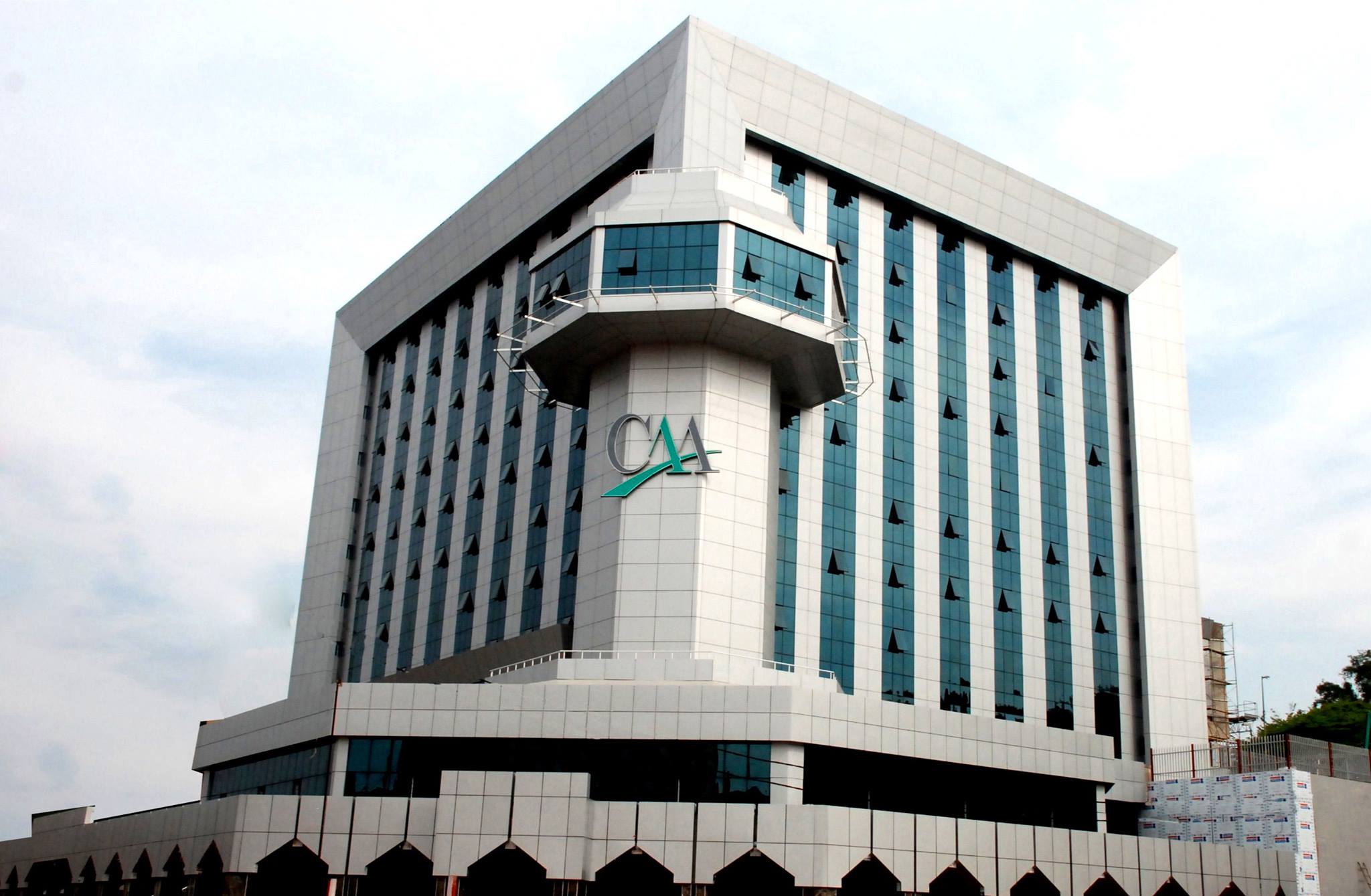
That is the question now hanging over Cameroon’s public finances after the national debt stock climbed to 15,607 billion FCFA by the end of June, a figure that has revived debate about how much more the country can safely borrow. According to the Autonomous Sinking Fund (CAA), the outstanding debt represented 44.2% of gross domestic product at the end of June, up from 14,409 billion FCFA a year earlier. The increase stems partly from fresh loan commitments taken on during the first half of the year.
Yet the amount Cameroon borrowed in 2026 cannot be reduced to a single number, because the government authorised loans, signed credit agreements and raised funds on domestic markets at different points during the year.
From authorised ceilings to actual disbursements
In January, President Paul Biya empowered the Ministry of Finance to contract domestic and external borrowing for a maximum of 1,650 billion FCFA. That authorisation covered the issuance of Treasury securities worth 400 billion FCFA, direct loans from private national institutions totalling 250 billion FCFA and the mobilisation of 1,000 billion FCFA on international financial markets. The funds were intended to finance development projects and clear payment arrears.
That 1,650 billion FCFA figure, however, represents an authorised borrowing ceiling rather than money already borrowed or disbursed. By the end of June, the government had raised 800.7 billion FCFA on the domestic financial market, according to CAA data.
New project financing signed in the first half
The government also secured new project financing during the first half of the year. CAA data show that new debt commitments reached about 514 billion FCFA over the first six months of 2026.
Among the main financing operations was a 130.4 billion FCFA loan for the construction of the Ebolowa-Akom II-Kribi road. The agreement was signed in May, with the Standard Chartered Bank loan backed by a guarantee from the British agency UK Export Finance. A separate commercial loan of 7.8 billion FCFA had already been concluded for the same project. Cameroon continued borrowing during the second half of the year.
World Bank-backed deals boost project funding
On 2 October, the government authorised a 347.5 million euro loan from the World Bank — roughly 228 billion FCFA — to finance the Douala-Bangui economic corridor.
A further financing agreement, worth about 212.35 million euros (close to 139 billion FCFA), was also approved for the rehabilitation of the Douala-Bafoussam road.
Together, these latest agreements represent additional authorised project financing of about 367 billion FCFA.
Budget borrowing needs and debt service
The government’s borrowing plans go beyond individual projects. Cameroon’s 2026 budget provides for 3,104 billion FCFA in loans and other financing needs, out of a total budget of 8,816 billion FCFA. Those financing needs cover the budget deficit, debt repayment and other obligations.
The country disbursed about 1,059 billion FCFA for debt service during the first half of 2026, according to figures from the IMF and the CAA.
This debt pressure has drawn renewed attention from the International Monetary Fund.
IMF flags high risk but sees medium-term viability
Following a mission in September, the IMF said on 1 October that its debt sustainability analysis for Cameroon still showed an overall high risk of debt distress, while describing the debt as sustainable over the medium term. The Fund called for tighter fiscal policy, stronger domestic revenue mobilisation and greater reliance on concessional financing.
The IMF also warned that Cameroon faces significant liquidity strains, notably because of high debt repayments and growing dependence on commercial borrowing. In its 2026 Article IV assessment, the Fund stressed that the government needed to be prudent about borrowing, given limited liquidity and the saturation of the regional domestic debt market.
For Cameroon, the central question is therefore no longer simply how much the government is authorised to borrow. It is about how much is actually raised and disbursed, the nature of the projects financed, the cost of those loans and the total amount the country will have to repay. With public debt already above 15,600 billion FCFA, that distinction is becoming increasingly important as the government keeps financing major infrastructure projects while servicing commitments accumulated over previous years.