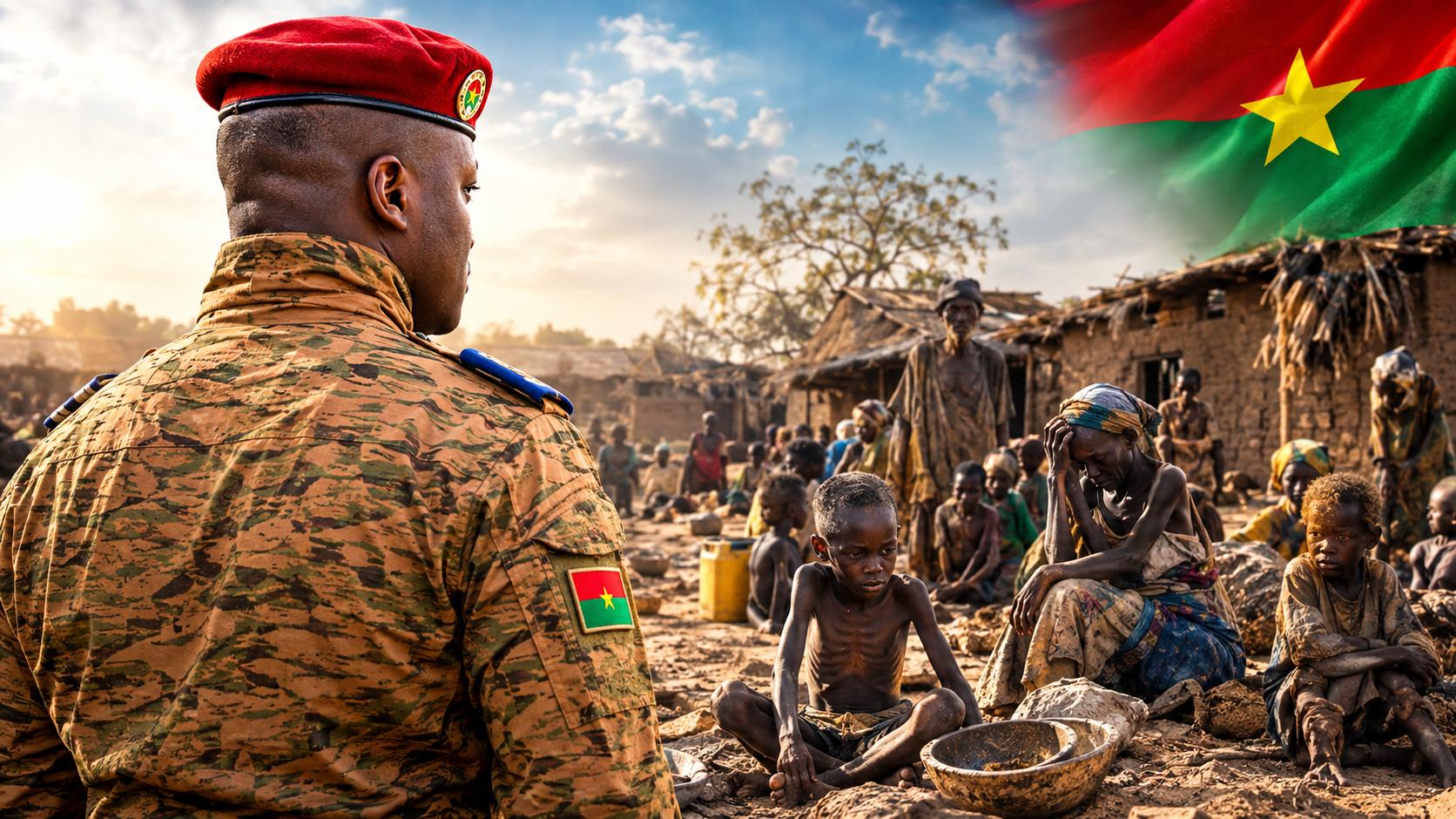
Just 77 kilometres north-east of Ouagadougou, the village of Boussouma has become the scene of an unprecedented humanitarian and security crisis. Once a vibrant trading crossroads and a symbol of community cohesion, the locality is now experiencing a forced rural exodus, with its inhabitants compelled to flee before the relentless advance and gradual entrenchment of armed terrorist groups.
The unravelling of traditional anchors: a green light for attackers
The security collapse is the direct consequence of the recent reorganisation of the administrative and traditional framework imposed by the authorities. By dismantling local customary authorities and disrupting the historic administrative network — through the application of legislation on the status of customary chieftaincy (law no. 002-2026/ALT) and adjustments within the royal court of Boussouma — the central government shattered the social shield and informal security anchoring that had still held the area together.
This institutional vacuum and the resulting loss of bearings on the ground acted as a veritable starting signal for armed groups. Exploiting the weakening of traditional structures that had ensured community relay and local intelligence, the attackers quickly moved in to impose their control.
The noose tightens around the capital
The progressive installation of armed groups and the near-total displacement of Boussouma’s population mark a critical stage in the country’s security deterioration. Seeing a village located less than 80 kilometres from the capital thus deserted under terrorist pressure demonstrates the scale of the state’s territorial retreat.
As displaced people stream into neighbouring localities or attempt to reach the outskirts of Ouagadougou in utter destitution, the abandonment of Boussouma sharply raises the question of whether the ongoing institutional reforms are relevant — reforms perceived by local populations as decisions disconnected from the vital urgencies on the ground.