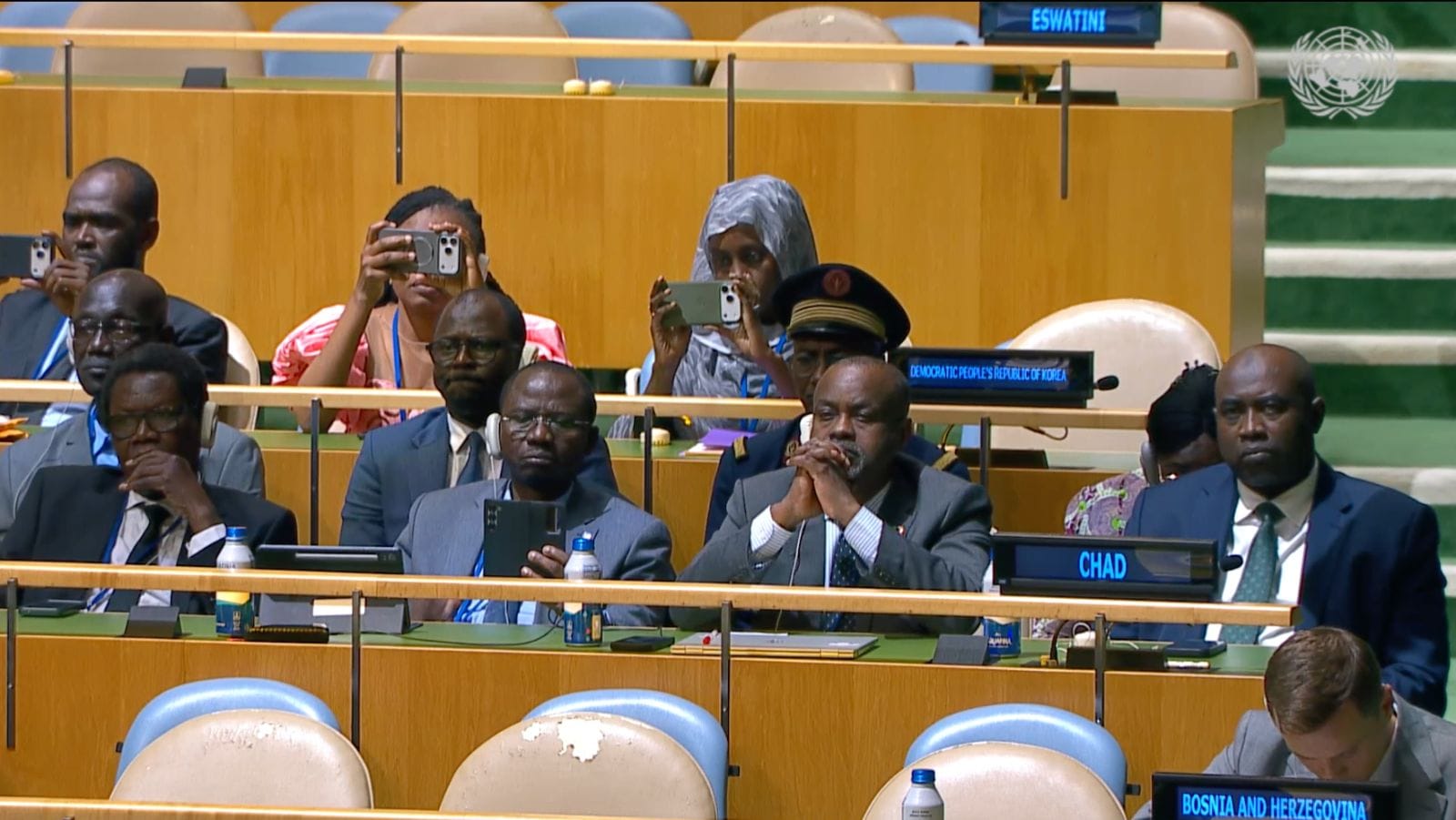
Chad at the UN: can firm diplomacy stop the strikes on Ennedi-East?
At the 81st UN General Assembly, Chad’s representative laid out the country’s humanitarian and security commitments — and condemned recent airstrikes on its territory. The question now: will this warning be enough to prevent further violations?
Can a strong statement at the United Nations actually shield a country from foreign airstrikes? That was the implicit question hanging over Chad’s address to the 81st UN General Assembly, where the country’s delegation made its case for regional stability and territorial integrity — and drew a line in the sand over recent attacks.
The message from N’Djamena: a dual commitment
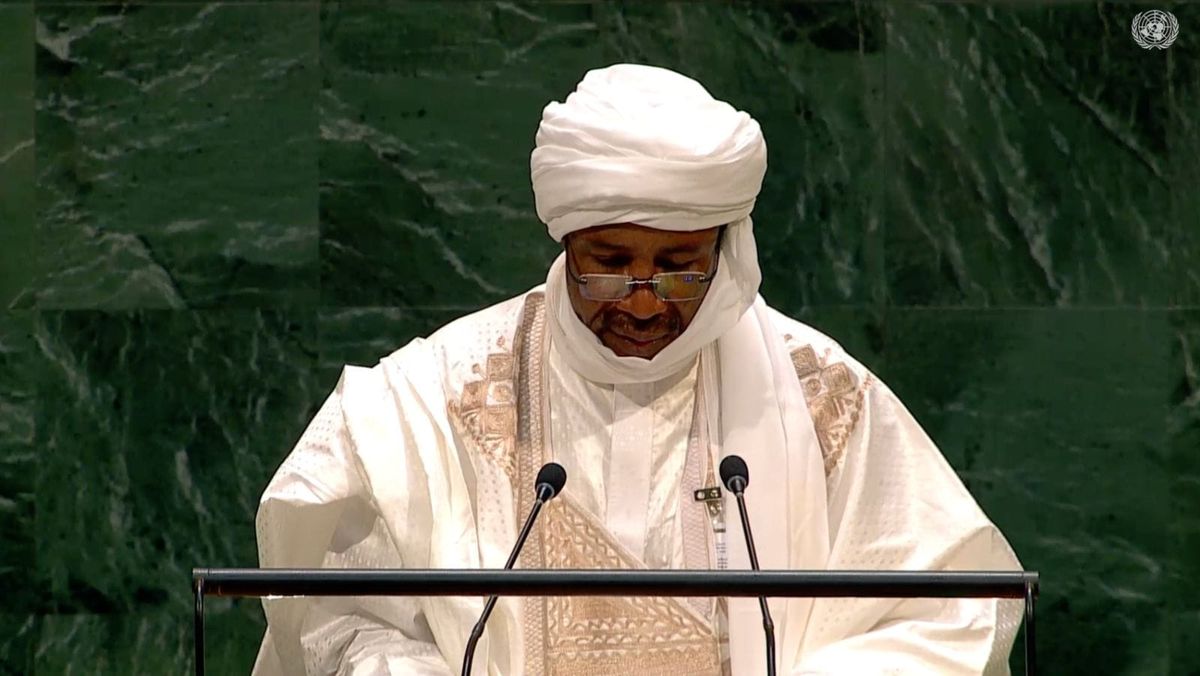
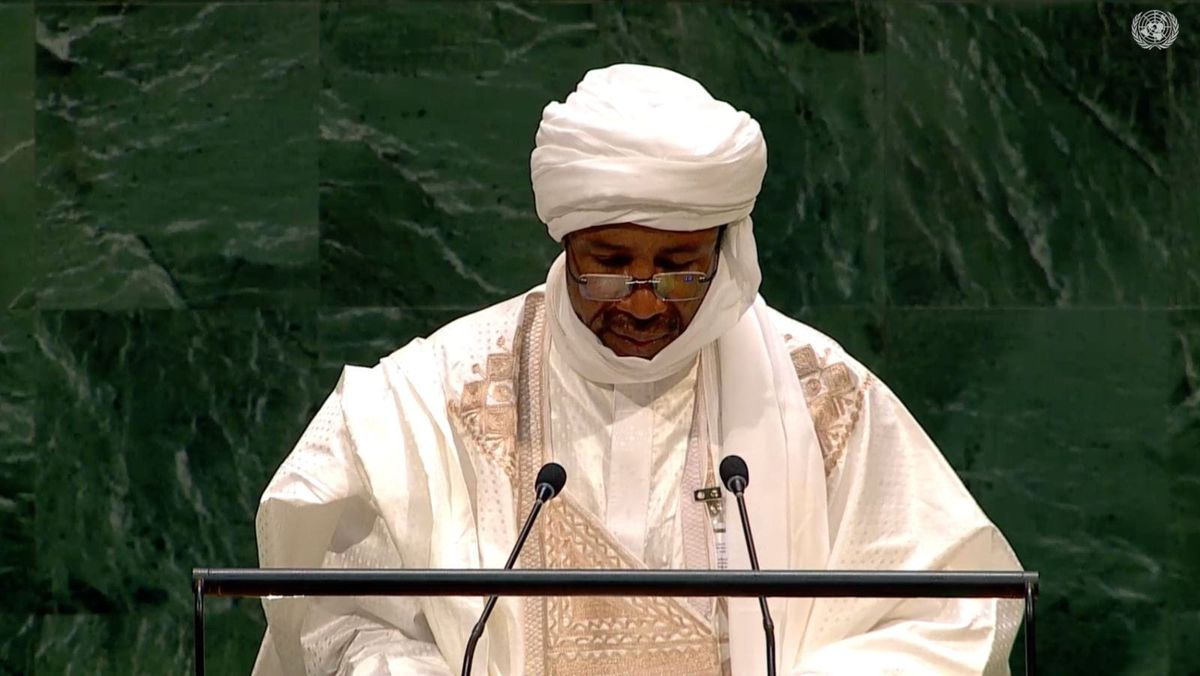
Delivering the speech on behalf of President Mahamat Idriss Déby Itno, Dr. Abdelmadjid Abdelrahim Mahamat, Minister of Public Health and Prevention, emphasized Chad’s dual role: as a diplomatic broker and as a frontline humanitarian actor. He underscored the country’s ongoing efforts to stabilize a volatile neighborhood while managing the fallout from multiple crises.
At the heart of the address was the fragile Lake Chad Basin, where environmental degradation and insecurity continue to threaten millions. Chad urged developed nations to fulfill their financial pledges for climate adaptation and resilience — arguing that without concrete support, the region’s vulnerabilities will only deepen.
Peacekeeping contributions and the human cost
On the security front, N’Djamena reminded the assembly of its significant contributions to global peace operations. The minister highlighted the deployment of 1,500 Chadian troops to Haiti as part of a Security Council-mandated force — a tangible demonstration of Chad’s willingness to shoulder international responsibilities.
But the country’s own borders are under immense strain. Chad currently hosts more than two million displaced people, including over one million Sudanese refugees who have fled the conflict that erupted in April 2023. Despite this burden, the government reaffirmed its strict neutrality in the Sudan crisis and its support for peace initiatives.
A red line on Ennedi-East
The most pointed moment came when Chad condemned recent airstrikes in the Ennedi-East province in the strongest terms. The government labeled the attacks an unacceptable violation of its territorial integrity and made clear it reserves the right to retaliate if such strikes occur again. It was a warning that carried both legal and strategic weight — and one that raises the stakes for any future incursions.
Broader international positions
Beyond its immediate neighborhood, Chad used the platform to reject acts of aggression against sovereign states — from Iran to the Gulf, Gaza, and Cuba. The delegation reiterated its support for a two-state solution in the Middle East and called for a deep reform of multilateral institutions to better reflect today’s realities.