At the United Nations headquarters in New York, Iranian Foreign Minister Abbas Araghchi has handed the United States a concrete proposal to end the standoff in the Strait of Hormuz. The plan hinges on one crucial question: will Washington accept a tight seven-day timetable, or risk letting the world’s most vital oil artery stay blocked while energy markets spiral?
The proposal was formally delivered on Tuesday to US envoy Steve Witkoff, according to Araghchi, who briefed foreign reporters on the sidelines of the UN General Assembly. The ball, he said, is now in the White House’s court. Since the recent escalation, Tehran has heavily disrupted shipping through the narrow chokepoint — roughly a fifth of global oil supplies normally passes through it — and is now offering a fast-track timetable to defuse a crisis that threatens to drag the world economy into an uncontrolled recession.
The exact text of the document remains protected by diplomatic confidentiality. But Araghchi made clear that reopening the strait within seven days will not happen without major concessions. Tehran is demanding an immediate halt to strikes on its strategic infrastructure, a targeted easing of economic sanctions, and firm guarantees regarding the withdrawal or redeployment of Western naval forces in Gulf waters.
For the Islamic Republic, control over Hormuz has once again proved to be its ultimate deterrent. By threatening freedom of navigation in this lifeline, Tehran aims to convert its military isolation into political leverage against Washington and its allies. “We are not seeking to keep the strait closed permanently, but the security of our waterways is inseparable from the overall security of our nation,” the foreign minister said.
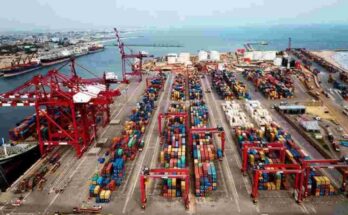
The offer comes at a critical moment. Since the progressive blockade began, the global economy has taken a severe hit. At its narrowest point, the Strait of Hormuz is only about 33 kilometers wide, yet it is the planet’s most critical maritime highway: around 20% of global crude oil consumption and a third of liquefied natural gas (LNG) normally transit through it every day.
The fallout from the disruption has been immediate and devastating:
- Energy prices have surged: In a matter of days, Brent crude has spiked dramatically, breaking through alarming thresholds. Fears of a prolonged supply cut are fueling speculation on financial markets, raising the specter of an oil shock comparable to those of the 1970s.
- Shipping and insurance costs have exploded: Facing threats of attacks, ship seizures and missile fire, marine insurers have raised war-risk premiums to prohibitive levels — when they do not simply refuse to cover tankers.
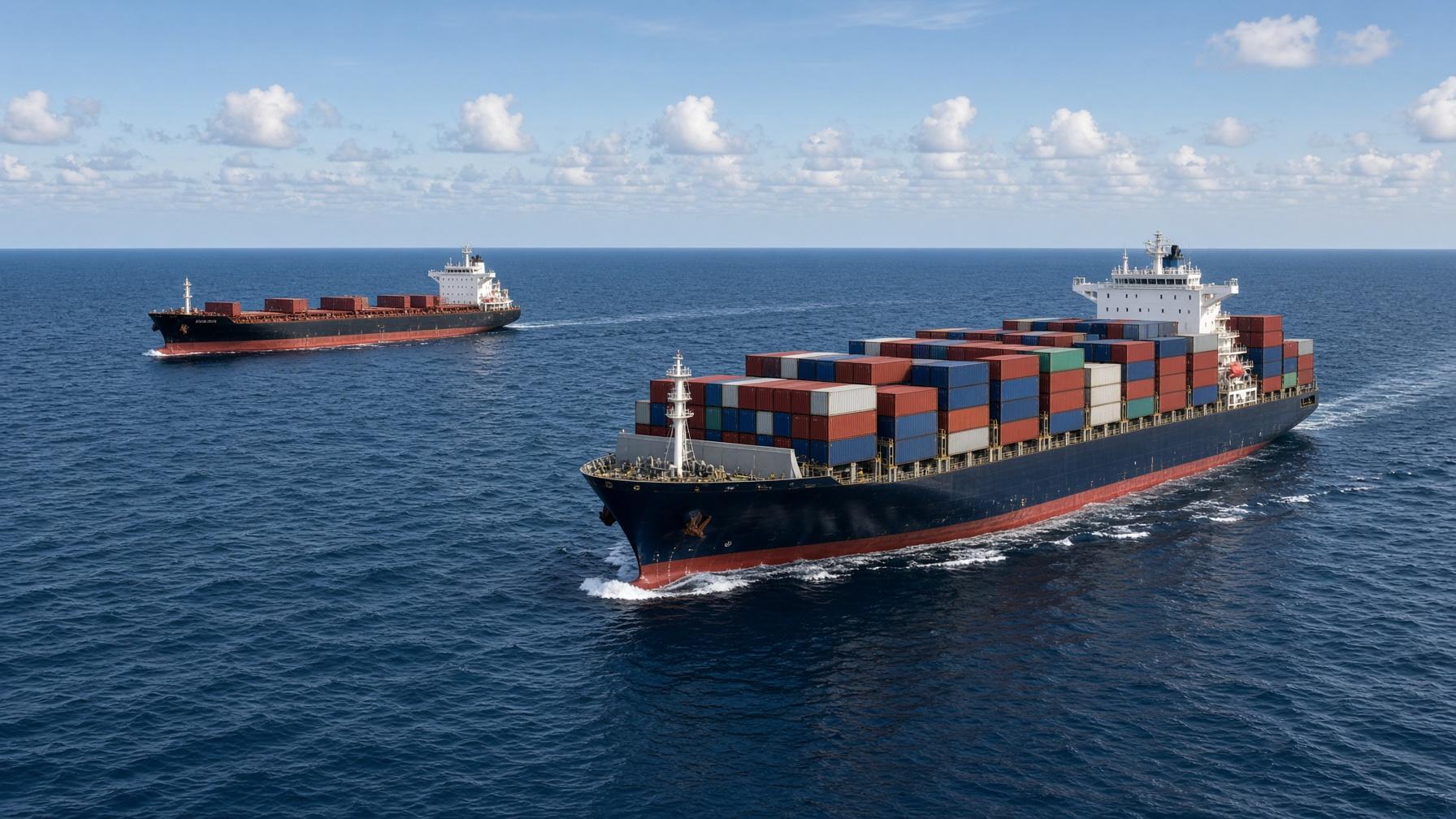
- Costly rerouting around Africa: To avoid the Gulf, many shipowners have ordered their vessels to sail around Africa via the Cape of Good Hope. The detour adds at least two weeks to journeys, generating huge fuel costs and tying up the global fleet.
- The risk of broad inflation: Rising fuel and freight prices are already feeding into global supply chains. For consumer countries, especially in Europe and Asia, the prospect of a new wave of inflation and fuel shortages at the pump is becoming very real.
In Washington, the Iranian proposal puts the US administration before a major strategic dilemma. Rejecting Araghchi’s offer would mean accepting a prolonged energy crisis that destabilizes both the American and global economies at a particularly sensitive political moment. Accepting Tehran’s conditions within seven days, however, could be seen by regional allies as a concession to Iranian maritime blackmail.
So far, US diplomacy has not publicly reacted to the details of the plan sent to Steve Witkoff. International chancelleries, particularly in Asia — China, Japan and South Korea are the top customers for oil passing through the strait — are stepping up pressure on both sides to find a compromise without delay.
The next seven days will be decisive. Between hopes for a quick diplomatic de-escalation in New York and fears of a lasting conflagration in the Gulf, the fate of the world economy is being played out across a few nautical miles.